-
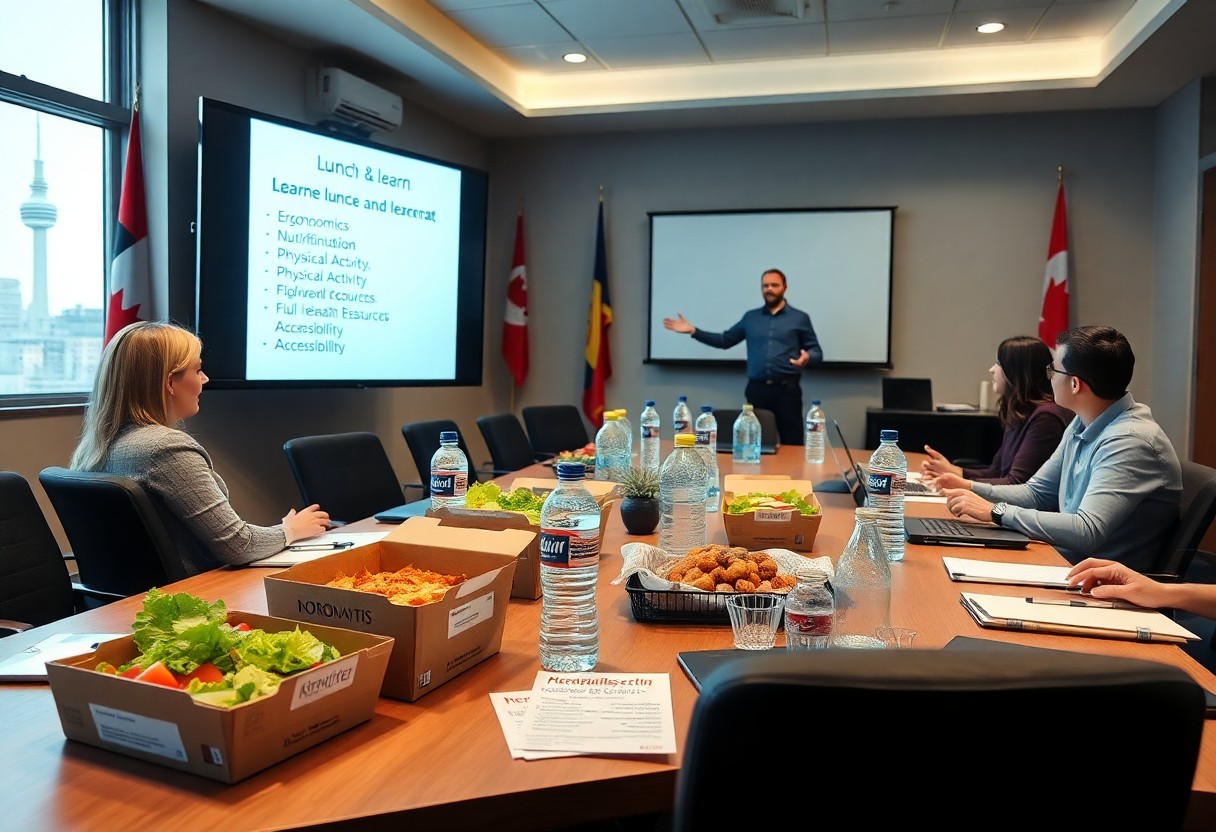
The Best Workplace Wellness Topics for Ontario Lunch and Learns
Over 60% of Ontario employees report improved morale when wellness programs are offered at work. You can address mental health risks, promote positive habit-building, and reduce absenteeism with targeted sessions. Explore Cost effective Lunch and Learn Topics to maximize impact without overspending. Key Takeaways: Mental health awareness is one of the most impactful topics for…
-

How to Turn Workplace Wellness Into a Competitive Advantage
Most companies overlook how employee well-being directly impacts productivity and retention, but you can use it to stand out. By investing in real wellness initiatives, you reduce burnout and attract top talent. Healthy teams outperform stressed ones-making wellness not just a perk, but a strategic edge. Key Takeaways: Healthy employees are more productive, take fewer…
-

How to Reduce Workplace Stress Without Blaming Employees
Many workplaces see rising stress levels, but blaming employees worsens burnout and lowers morale. You can create a healthier environment by addressing systemic issues, setting clear expectations, and promoting open communication. Learn how to prevent employee burnout with proven strategies from How to Prevent Employee Burnout. Positive change starts with leadership, not criticism. Key Takeaways:…
-
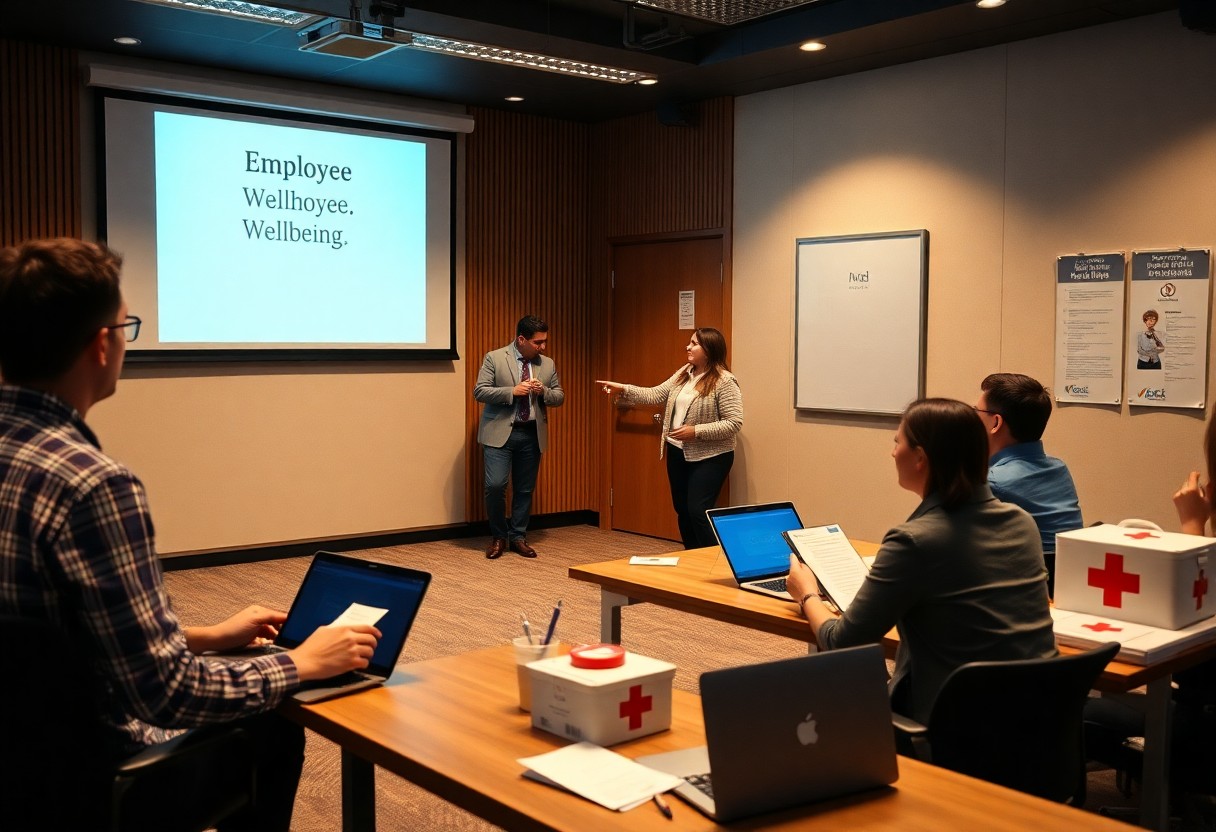
Why Employee Wellbeing Belongs in Supervisor Training
Training supervisors to support employee wellbeing directly impacts team performance and reduces burnout. You shape workplace culture through daily interactions, and ignoring mental and physical health risks productivity and retention. When you prioritize wellbeing, you create a safer, more engaged workforce and fulfill your role as a leader who drives both results and resilience. Key…
-

How to Build a Workplace Where People Feel Safe Speaking Up
Most employees stay silent at work not because they lack ideas, but because they fear rejection, retaliation, or being ignored. You can change this by modeling openness, responding constructively to feedback, and making psychological safety a daily practice. When people see their input leads to real change, trust grows-and so does engagement, innovation, and performance.…
-

Workplace Wellness for Hybrid Teams Across Ontario
Ontario hybrid teams face rising burnout risks due to blurred work-life boundaries, but companies that prioritize mental health and structured flexibility see up to 40% higher engagement. You can reduce isolation with intentional check-ins and equitable access to resources. Equal support for remote and in-office staff is not optional-it’s a standard for sustainable success. Key…
-

Why Burnout Prevention Should Be Measured Like Any Other Business Risk
Burnout directly impacts your team’s performance, health, and retention. Ignoring it increases turnover costs and reduces productivity. When you treat burnout prevention like financial or operational risk, you gain early warning signs and can act before damage spreads. Measuring it systematically protects both people and profits. Key Takeaways: Burnout impacts productivity, retention, and healthcare costs…
-

Workplace Wellness for Small Teams – What Employers Can Do Today
Just one in five small businesses offers structured wellness support, leaving employees at high risk for burnout and disengagement. You can make a measurable difference today by implementing simple, low-cost strategies that boost morale and productivity. Explore 17 workplace wellness programs and ideas to strengthen your team and create a healthier, more resilient workplace. Key…
-
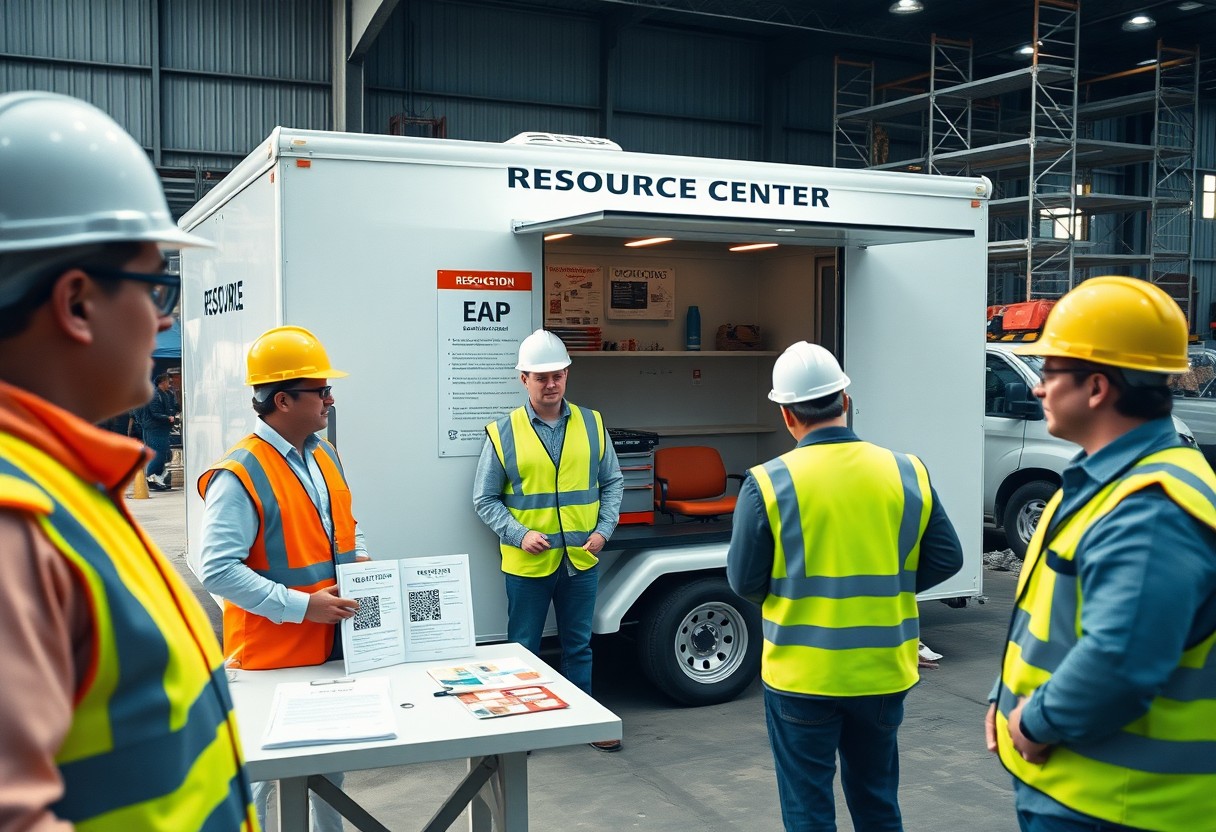
How to Support Mental Health in Construction, Manufacturing, and Field Work
Support your team by recognizing that mental health challenges are common in physically demanding jobs. Construction, manufacturing, and field work carry high stress and isolation risks, but open communication and accessible resources can lead to stronger, safer, and more productive teams. You play a direct role in creating that environment. Key Takeaways: Workers in construction,…
-

How to Improve Employee Energy, Focus, and Engagement at Work
There’s a direct link between workplace environment and employee performance. When you optimize lighting, encourage movement, and support mental breaks, you see measurable gains in energy and focus. Poor conditions lead to dangerous drops in engagement, but simple, consistent changes create positive, lasting impact on productivity and morale. Key Takeaways: Employees perform best when their…