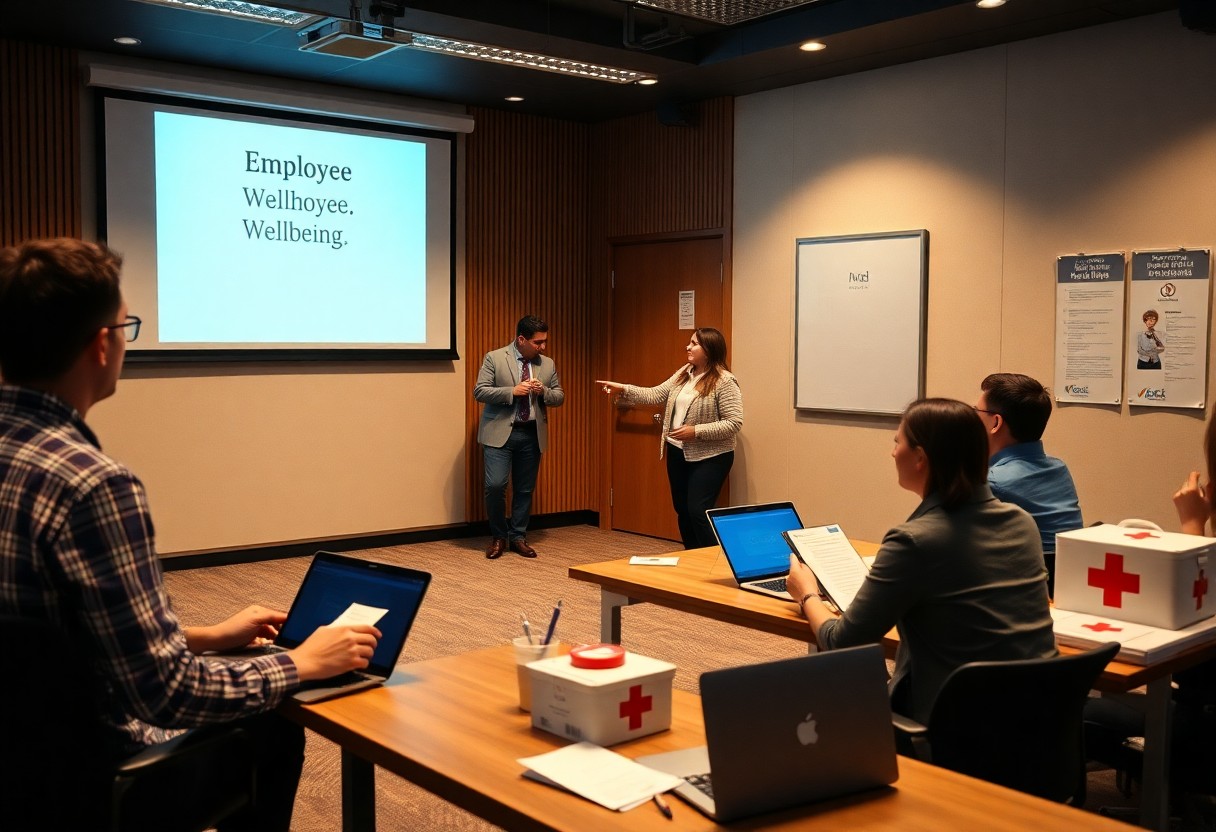
Training supervisors to support employee wellbeing directly impacts team performance and reduces burnout. You shape workplace culture through daily interactions, and ignoring mental and physical health risks productivity and retention. When you prioritize wellbeing, you create a safer, more engaged workforce and fulfill your role as a leader who drives both results and resilience.
Key Takeaways:
- Supervisors are often the first to notice changes in employee behavior, mood, or performance that signal wellbeing concerns, making their role important in early support and intervention.
- Training supervisors to recognize and respond to wellbeing issues builds trust and psychological safety, leading to stronger team cohesion and reduced stigma around mental health.
- Organizations that integrate wellbeing into supervisor development see lower absenteeism and higher engagement, because employees feel seen, supported, and valued in their day-to-day work.
The Social Architect
As a supervisor, you shape the daily experience of your team far beyond tasks and deadlines. Your behavior sets the emotional tone of the workplace, making you the true social architect of your team’s environment. Learn how intentional leadership drives connection and resilience through Employee Wellbeing Training.
The Supervisor as the Primary Stress Filter
You absorb pressure from above and prevent it from cascading down unchecked. How you respond to stress directly influences your team’s sense of safety and stability. When you model calm, clarity, and composure, you create a buffer that protects performance and mental health alike.
Why Local Leadership Trumps Corporate Policy
Employees don’t experience wellbeing through brochures or benefits alone-they feel it in their daily interactions with you. A single supportive conversation has more impact than any top-down initiative. Policies inform, but your actions determine the real culture of care.
Corporate programs provide structure, but they can’t replicate the trust built in one-on-one moments. When team members face burnout, they rarely turn to HR portals first-they look to you. Your ability to listen, validate, and act makes you the most effective wellbeing intervention available. Training you to respond with empathy and confidence transforms abstract policies into lived support.
The High Cost of the Taskmaster
You’ve seen the type-relentless, demanding, blind to fatigue. When supervisors prioritize output over people, morale plummets. Disengagement spreads quickly, and turnover follows. This leadership style doesn’t drive performance; it drains it, eroding trust and inviting costly attrition.
Financial Impact of Emotional Neglect
Ignoring emotional needs has real dollar signs attached. High turnover, absenteeism, and lower productivity directly impact the bottom line. You’re not just managing tasks-you’re managing human beings. When you overlook their psychological safety, you pay for it in recruitment, lost knowledge, and weakened team cohesion.
Link Between Micromanagement and Burnout
Constant oversight signals distrust. You strip employees of autonomy, turning routine work into stress-filled performances. This pressure cooker environment fuels burnout, reducing creativity and increasing emotional exhaustion. Employees don’t quit jobs-they quit the way they’re managed.
Micromanagement doesn’t just annoy-it harms. By hovering over every decision, you prevent growth and reinforce dependency. Employees feel invisible, undervalued, and mentally drained. Over time, this erodes confidence and motivation, creating a cycle where stress overrides satisfaction. You’re not ensuring quality-you’re suffocating it.
Cultivating Psychological Security
Safe workplaces start with supervisors who model emotional safety. When leaders acknowledge stress without judgment, teams feel empowered to speak up. You set the tone by responding with empathy, not solutions. Explore Workplace Mental Health Training for Supervisors and … to build these foundational skills.
Creating Space for Vulnerability
People thrive when they don’t have to hide their struggles. You create trust by allowing space for honest conversations about workload, energy, and mental health. A simple “How are you really doing?”-and pausing for the real answer-can make a profound difference in someone’s day.
Normalizing the Wellness Dialogue
Talking about wellbeing shouldn’t feel like a crisis intervention. You help reduce stigma by making it part of routine check-ins, not just after burnout hits. When wellness comes up in team meetings or 1-on-1s regularly, it becomes expected, not exceptional.
Wellness discussions lose their weight when they’re no longer reserved for emergencies. By weaving them into everyday conversations-like asking about rest during project planning-you signal that mental health matters as much as deadlines. This consistency builds a culture where seeking support is seen as responsible, not weak, and that shift starts with you.
Practical Integration Strategies
Supervisors can embed wellbeing into daily operations by modeling healthy behaviors and setting clear boundaries around work hours. You create a culture where mental and physical health are visible priorities when you consistently check in on team members’ energy and stress levels. Small, consistent actions have the strongest impact on long-term engagement and retention.
Incorporating Health into Performance Reviews
Performance evaluations should include discussions about workload, work-life balance, and emotional resilience. You send a clear message that employee health matters as much as output when you ask, “How are you coping?” alongside “What goals did you meet?” This shift normalizes wellbeing as a professional metric, not a personal afterthought.
Training for Real-Time Crisis Detection
Early signs of burnout or distress often appear in communication patterns, attendance, or engagement shifts. You must be trained to notice when a team member withdraws, misses deadlines, or shows irritability during meetings. Recognizing these signals promptly can prevent serious mental health crises and enable timely support.
Spotting distress isn’t about surveillance-it’s about awareness. Your role includes understanding behavioral baselines so deviations stand out. Training equips you to respond with empathy, not judgment, and to connect employees with resources before issues escalate. Knowing when to ask, “Are you okay?” can change an outcome. This skill turns routine supervision into proactive care.
Final Words
The way you support your team directly impacts their health and performance. Supervisors like you shape daily workplace experiences, making employee wellbeing a natural part of your role. You can learn how to respond effectively by exploring 4 Ways a Workplace Mental Health Program Can Support Supervisors. Training equips you with practical tools to recognize struggles early and respond with confidence.
FAQ
Q: Why should supervisor training include employee wellbeing topics?
A: Supervisors are the main point of contact between leadership and staff. They set the tone for team culture, influence daily work experiences, and often spot early signs of stress or disengagement. When training equips them with knowledge about mental health, work-life balance, and inclusive communication, they can respond with empathy and take practical steps to support their teams. Ignoring wellbeing in training leaves managers unprepared for real workplace challenges, while including it helps create healthier, more productive environments.
Q: Don’t supervisors already know how to support their team members? Why add wellbeing content now?
A: Many supervisors rise to their roles because of strong technical skills or work ethic, not because they’ve been taught how to manage people with care. Knowing how to assign tasks is different from knowing how to notice when someone is overwhelmed or how to have supportive conversations about stress. Workplaces change-remote work, tighter deadlines, and increased expectations affect mental health. Training must evolve to reflect these realities. Adding wellbeing ensures supervisors are equipped for the human side of management, not just the logistical side.
Q: Can focusing on wellbeing in training really affect company performance?
A: Teams led by supportive supervisors report higher morale, lower turnover, and better collaboration. When employees feel seen and respected, they are more likely to stay engaged and contribute fully. Supervisors trained in wellbeing practices reduce the risk of burnout, address issues before they escalate, and help maintain consistent productivity. Companies that integrate these topics into training often see fewer absences, fewer conflict-related issues, and stronger team cohesion. The impact shows up in both human and operational outcomes.
Leave a Reply