Category: Uncategorized
-
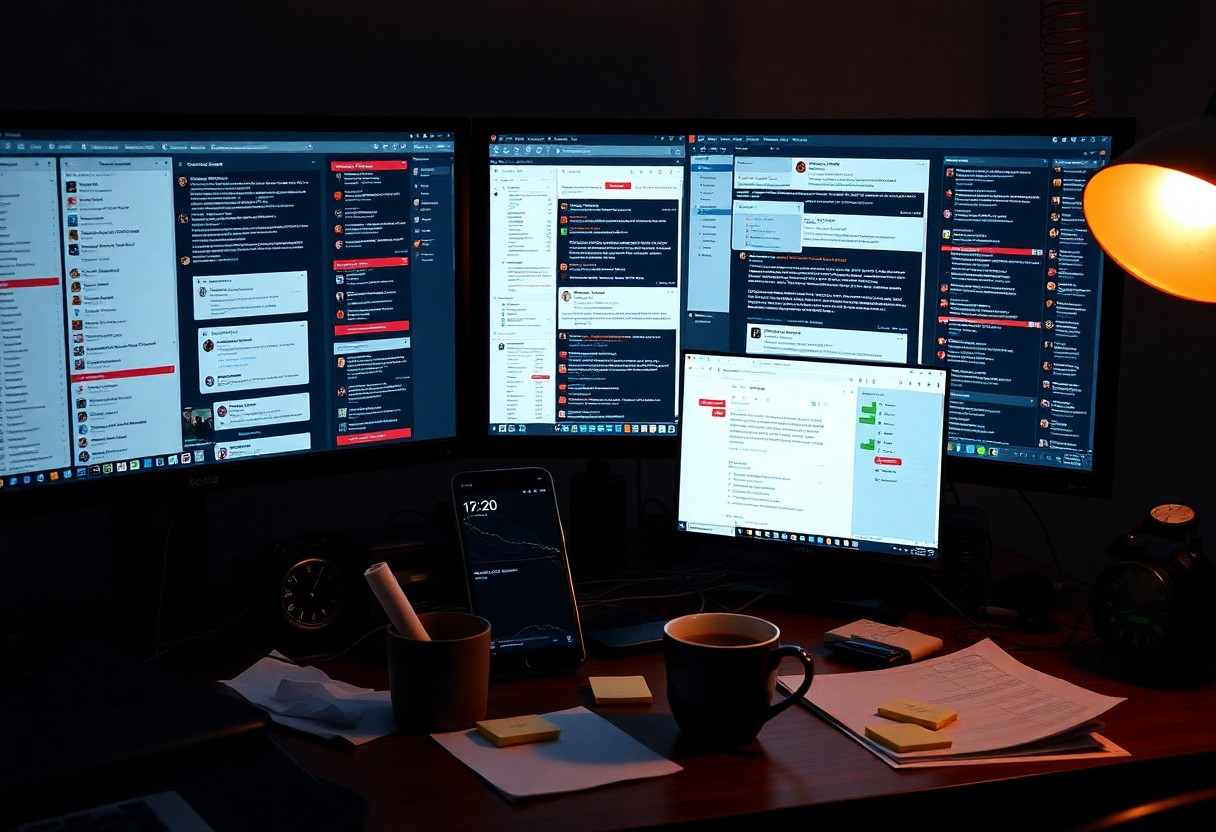
WorkWell – Digital Overload and Mental Fatigue
Overexposure to screens causes cognitive fatigue and sleep disruption, undermining your focus and productivity; adopting regular breaks and strict device limits restores mental energy. Key Takeaways: High frequency of notifications and multitasking raises cognitive load, causing faster mental fatigue and reduced attention span. Prolonged screen time and constant connectivity disrupt sleep and emotional regulation, increasing…
-

WorkWell – Recognizing Employee Burnout
Most employees mask exhaustion; you must spot fatigue, cynicism, and missed deadlines as early warning signs, treat chronic overwhelm as a serious health risk, and provide swift support to prevent breakdown. Key Takeaways: Burnout appears as persistent physical and emotional exhaustion, increased cynicism, and declining productivity; changes in attendance, mood, or work quality can signal…
-

WorkWell – Fatigue and Workplace Safety
Many workers underestimate how fatigue harms performance and increases accident risk, so you must monitor hours, rest, and conditions to protect teams; proactive scheduling and breaks reduce incidents and improve alertness. Key Takeaways: Fatigue reduces alertness, slows reaction times, and impairs decision-making, increasing likelihood of errors, near-misses, and serious accidents. Workplace policies that include fatigue…
-

WorkWell – Work-Related Stress Symptoms
Most work stress causes sleep loss, irritability, and poor focus; recognize symptoms early, watch for chest pain, panic attacks, or severe fatigue as dangerous signs, and trust that seeking support and rest speeds your recovery. Key Takeaways: Common symptoms include persistent fatigue, sleep problems, headaches, muscle tension, irritability, low mood, anxiety and difficulty concentrating; physical,…
-

WorkWell – Work-Life Balance Strategies
You should balance work and life by setting clear boundaries, scheduling restorative breaks to lower burnout risk, and tracking priorities for sustained productivity and well-being. Key Takeaways: Set clear work hours and communicate boundaries with colleagues to protect personal time. Prioritize tasks using time-blocking and single-tasking to reduce overload and improve focus. Schedule regular breaks,…
-

WorkWell – Emotional Intelligence at Work
Just know that your emotional intelligence drives team trust, boosts performance, and alerts you to conflict that can damage morale, while clear emotional skills let you reduce burnout and make decisions with steady judgment. Key Takeaways: Self-awareness and emotion-regulation practices teach employees to identify triggers, control impulses, and reduce stress, resulting in clearer judgment and…
-

WorkWell – Conflict Resolution in the Workplace
Over time you face workplace conflicts; WorkWell gives you clear steps to prevent escalation, reduce disruption, and restore productivity. Key Takeaways: Clear communication protocols reduce misunderstandings and shorten conflict resolution time through active listening and structured feedback. Early intervention by trained mediators prevents escalation and preserves team productivity and trust. Consistent policies and regular training…
-
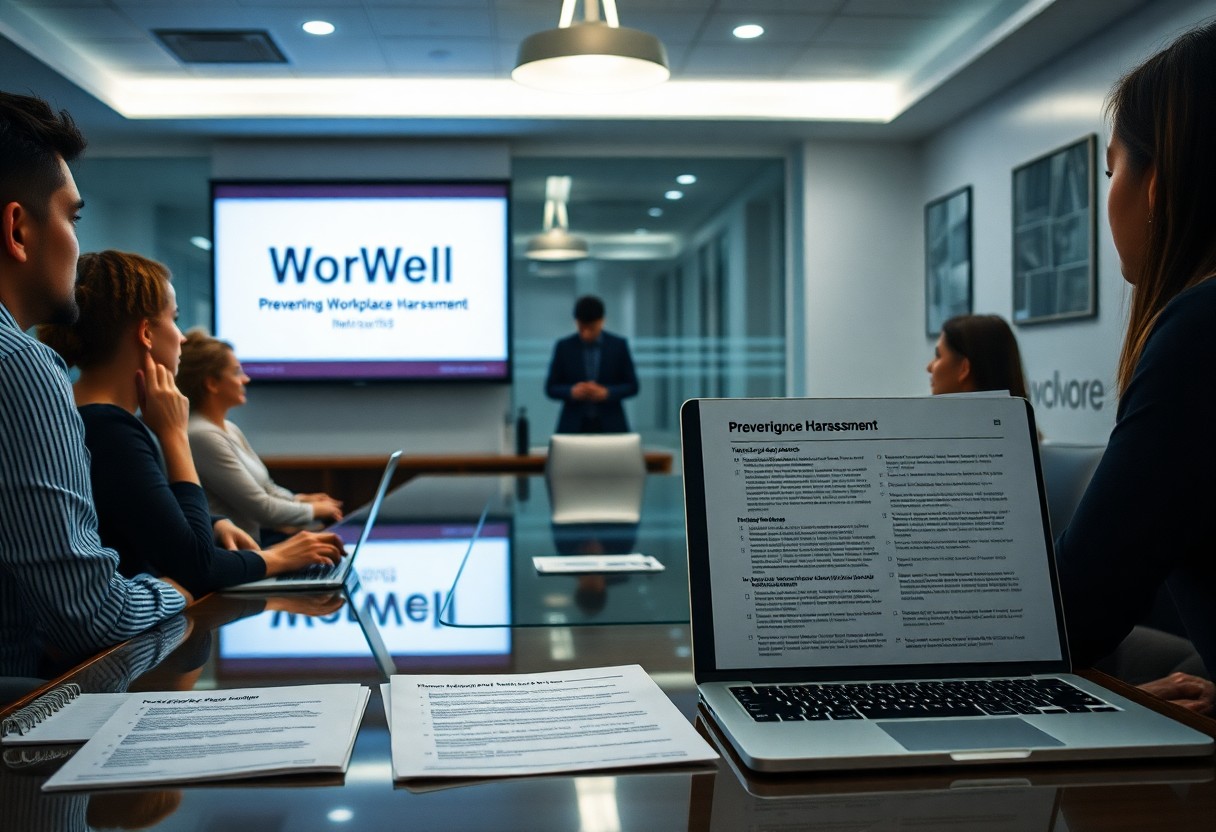
WorkWell – Preventing Workplace Harassment
There’s clear guidance to help you recognize and stop workplace harassment, highlighting danger signs, legal risks, and reporting steps so you can protect colleagues and enforce a zero-tolerance policy. Key Takeaways: Clear anti-harassment policies and regular scenario-based training define unacceptable conduct and outline reporting procedures. Multiple confidential reporting channels and prompt, impartial investigations with anti-retaliation…
-

WorkWell – Coping with Change at Work
With workplace change, you face stress and uncertainty; assess risks, set boundaries, and build new skills to protect your wellbeing and seize emerging opportunities. Key Takeaways: Practical strategies to manage emotional responses to workplace change, including breathing techniques, cognitive reframing, and establishing steady routines. Clear communication techniques for discussing change with colleagues and managers, covering…
-

WorkWell – Managing Overtime Stress
There’s a clear link between long hours and burnout; you must monitor symptoms, limit overtime, and enforce boundaries to protect health. Use breaks, delegate tasks, and pursue recovery strategies to maintain performance and prevent long-term harm. Key Takeaways: Workplace policies that limit overtime and require regular rest breaks lower chronic stress and burnout; clear expectations…