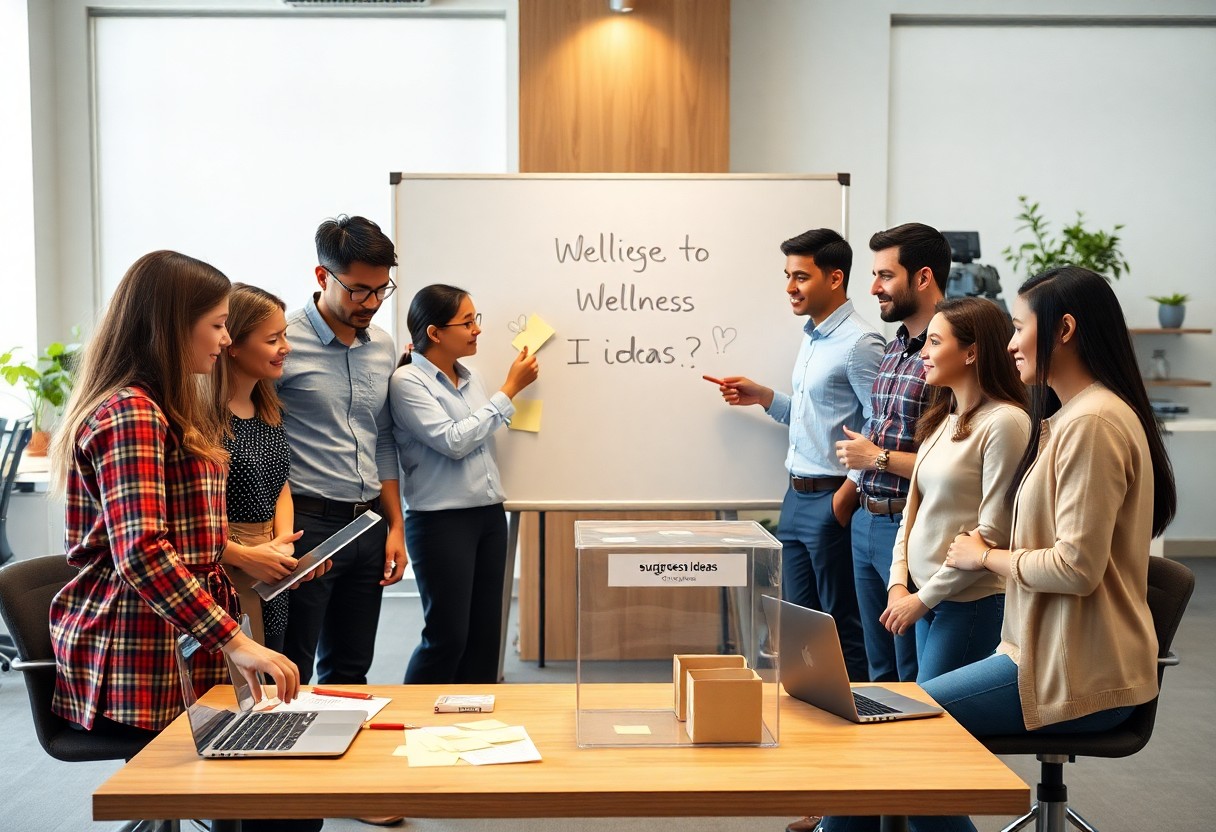
It’s clear that effective workplace wellness grows when you build from the ground up: top-down mandates often miss real needs and can worsen stress, while programs designed without employee input turn into box-checking. You must collect your team’s input, measure meaningful outcomes, and empower your teams to shape solutions that fit daily realities. By centering employee voice and local practices you create sustained, measurable well-being rather than temporary compliance.
Key Takeaways:
- Employee-led wellness initiatives produce higher engagement and sustained behavior change than top-down mandates.
- Leaders should provide resources, remove structural barriers, and create psychological safety instead of prescribing programs.
- Build wellness around continuous feedback, local context, and measurable outcomes to keep efforts relevant and effective.
The Case for Bottom-Up Wellness
You can see the economics: the WHO estimates depression and anxiety cost the global economy US$1 trillion per year in lost productivity, while Gallup reports engaged teams deliver 21% greater profitability. Bottom-up wellness channels employee insight to target real pain points-like asynchronous schedules or caregiving stress-so your programs stop being generic perks and become measurable drivers of retention, performance, and reduced absence.
Employee Engagement and Participation
When you invite employees to design offerings, participation climbs because the activities match real needs; Gallup data links engagement to 41% lower absenteeism and higher productivity. Start with small pilots-peer coaching, shift-friendly fitness, and micro-mental-health breaks-and you’ll see faster buy-in than top-down rollouts, with managers becoming allies instead of gatekeepers.
Benefits of Grassroots Initiatives
Peer-led groups, employee resource networks, and volunteer wellness champions create trust, lower stigma, and often scale with minimal budget. You gain programs that adapt weekly based on feedback, higher sustained participation, and local advocates who keep momentum without constant HR oversight.
Operationally, you should treat grassroots pilots like experiments: recruit 8-12 volunteers to run a three-month pilot, track KPIs (participation rate, absenteeism, engagement score, qualitative feedback), and aim for a measurable lift-for example a 15-25 point increase in participation or visible drops in short-term absence within 6-12 months-before scaling and allocating sustained budget.
The Flaws of Top-Down Approaches
You notice top-down wellness often reduces to policy over people: rigid KPIs, one-size-fits-all programs, and centralized decisions that ignore daily workflows. Budgets get spent while engagement stalls-participation often falls below 30%-and leadership measures inputs instead of meaningful outcomes. When you design from the top, you risk producing checkbox initiatives that momentarily look good on reports but fail to change how people actually feel or perform at work.
Lack of Relevance to Employees
If you’re a field technician or night-shift associate, lunchtime mindfulness webinars and standing-desk subsidies won’t fit your life. Programs that assume an office worker norm exclude large employee segments, creating low perceived value and wasted investment. Tailoring to role, schedule, and language increases relevance; when you co-design offerings with frontline teams, engagement and retention rise because people see immediate, applicable benefits.
Resistance and Low Adoption Rates
Mandates and top-down nudges often trigger pushback: employees distrust employer-run health initiatives, worry about data use, or feel blamed for systemic issues. As a result, you can face low adoption and quiet opt-outs instead of the visible participation leaders expect. Without addressing trust, privacy, and practical access, even well-funded programs struggle to gain traction.
Digging deeper, you’ll find specific drivers of resistance: mandatory biometrics or linked incentives spark privacy fears; single-format offerings exclude shift and remote workers; and managers who don’t model behaviors undermine uptake. Effective fixes you can apply include small pilot cohorts, anonymized data collection, flexible delivery windows, and training peer champions to normalize participation-steps that convert suspicion into steady, measurable engagement.
The Role of Leadership in Bottom-Up Wellness
Leaders shape the environment where you can raise wellness initiatives; Gallup finds managers account for up to 70% of the variance in employee engagement, so your leaders’ actions matter. When leaders remove approval bottlenecks, allocate modest budgets (even <$5,000 per team annually) and model vulnerability, team-driven programs scale faster and sustain longer.
Empowering Teams and Individuals
You gain momentum when teams choose their own wellness activities-peer coaching, flexible hours, or micro-break rituals. Empowerment looks like training 1 manager per 10 employees to coach stress resilience, dedicating 2-4 hours weekly for team wellbeing, and giving teams a small discretionary budget; these steps often double participation within 3-6 months.
Creating a Supportive Company Culture
Culture shifts when your policies and rituals align: sanction regular team breaks, publicize mental-health days, and include wellbeing metrics in reviews; embedding wellness into workflows reduces stigma and increases utilization. Strong signals-leaders sharing struggles and protecting meeting-free time-produce measurable improvements in morale and retention.
Start by giving managers a toolkit with simple dashboards tracking two metrics-participation rate and a quick wellbeing NPS-and mandate one meeting-free day per week; teams that track these signals see clearer priorities and fewer interruptions within three months. Train managers to respond supportively rather than penalize disclosures, because that response directly lowers concealment and accelerates trust-building.
Examples of Successful Bottom-Up Wellness Programs
The evidence base is growing: a peer-reviewed review in Well-Being in Life and Well-Being at Work: Which Comes … shows strong links between personal life supports and workplace outcomes. You see the biggest wins when programs are peer-designed, tied to clear metrics, and allowed to evolve locally; those approaches deliver measurable ROI in engagement and reduced absenteeism across industries.
Companies That Got It Right
You can look to Patagonia’s on-site childcare and flexible schedules, Google’s employee interest groups and microgrants for wellbeing projects, and smaller firms that fund peer-led mental health circles-each approach centers employee choice and produced visible gains in retention and morale across teams.
Lessons Learned and Best Practices
You should prioritize staff-led design, start with small pilots, and track both participation and business metrics; strong programs empower managers to remove barriers, allocate modest budgets, and iterate quarterly to keep initiatives relevant and effective.
For more depth, focus on three tactical moves: run 3-6 month pilots with clear KPIs (participation, sick days, NPS), train 10-15% of staff as facilitators to scale peer delivery, and report outcomes transparently so you sustain leadership support while keeping control in employees’ hands.
Measuring the Impact of Bottom-Up Wellness
You track outcomes by combining quantitative and qualitative signals: participation and retention rates, engagement survey deltas, sick days per employee, and program Net Promoter Score. Use benchmarks-like aiming to boost engagement by 3-7 points or cut voluntary turnover by 10% within a year-to judge progress. Gallup data shows highly engaged teams yield 21% greater profitability, so translate wellbeing gains into productivity and cost metrics to prove value.
Metrics for Success
You should prioritize participation rate, change in engagement score, average sick days per employee, and percentage change in turnover. Add clinical or self-reported health measures (e.g., % reporting reduced burnout) and economic indicators like cost-per-participant and absenteeism savings. Aim for clear targets->40% sustained participation, a 5-point engagement lift, or 1-2 fewer sick days per person-to show tangible ROI within 6-12 months.
Long-Term Benefits for Organizations
You gain better retention, stronger employer brand, and steady productivity improvements when wellness grows from the ground up. Over time, peer-driven programs lower hiring costs and improve morale; even modest gains-like a 5-10% drop in turnover-translate to substantial savings. Framing wellness as an ongoing cultural practice turns short-term wins into durable performance advantages for your organization.
You see compounding effects when employees design and advocate for programs: adoption accelerates, informal learning spreads, and managers mirror healthy norms. Expect measurable improvements inside 6-18 months-higher internal referrals, improved engagement sub-scores, and lower presenteeism-and use quarterly dashboards plus employee stories to capture both financial and human returns.

Overcoming Challenges in Implementation
When you implement bottom-up wellness, you’ll confront limited budgets, leadership skepticism and poor measurement. Tie requests to ROI-WHO estimates a $4 return for every $1 invested in treatment for depression and anxiety-and start small with 10-20 person pilots that show results in 6-12 weeks. Use practical resources like The Importance of Investing in Your Personal Well-Being to frame both personal and business benefits.
Common Obstacles
Stigma and time constraints often suppress participation; at one 250-person firm a HR-driven yoga program drew 12 attendees while employee-led lunchtime groups saw 60. You’ll also face uneven access across roles and policies that unintentionally penalize participation. Treat low adoption and inconsistent uptake as design problems to be iterated on, not worker failure.
Strategies for Success
Survey teams, fund micro-pilots ($300-$1,000 per team), and empower peer champions to run programs during work hours. Track short-term KPIs-utilization, weekly engagement, and changes in sick days-and aim for 20-30% adoption in pilot groups. Prioritize quick wins you can scale; this practical approach changes behavior faster than top-down mandates.
Measure rigorously: run baseline and 8-12 week follow-ups with pulse surveys, track absenteeism and self-reported productivity, and calculate ROI from health claims and retention. For example, a six‑month pilot that reduced sick days by 10-15% and raised engagement scores by 7 points creates a clear case to expand funding and sustain peer-led initiatives.
Conclusion
Presently you must prioritize employee-led wellness by empowering staff to shape programs, giving managers tools to support grassroots initiatives, and measuring outcomes to guide iterative improvements; when you shift authority downward you build trust, increase participation, and create sustainable wellbeing that aligns with your organizational goals.
FAQ
Q: Why does WorkWell argue that wellness programs should be bottom-up rather than top-down?
A: WorkWell argues that bottom-up wellness builds sustained engagement because programs designed and driven by employees match real needs, contexts, and constraints; grassroots initiatives produce higher adoption, reduce resistance, and generate practical innovations that leadership may not see from the top. Top-down mandates often create checkbox exercises or one-size-fits-all offerings that miss diverse job roles, shift patterns, and cultural differences, whereas employee-led pilots produce actionable evidence, boost ownership, and create peer-led norms that shift behavior over time.
Q: How can an organization transition from a top-down wellness model to a bottom-up approach?
A: Start by listening: run targeted surveys, focus groups, and frontline interviews to map needs and barriers. Seed small, employee-led pilots with modest budgets and clear evaluation criteria, recruit and train wellness champions across teams, and give line managers tools to facilitate-not dictate-changes. Create simple governance that supports distributed decision-making (e.g., cross-functional advisory groups), integrate wellness goals into everyday workflows, and set up rapid feedback loops so successful pilots can be adapted and scaled. Remove administrative friction (time approval, access to spaces, budget autonomy) so teams can iterate quickly.
Q: How should success be measured and sustained in a bottom-up wellness model?
A: Use a mix of quantitative and qualitative indicators: participation and retention in programs, employee engagement and well-being survey scores, uptake of flexible practices, reductions in absenteeism or presenteeism, and retention/turnover patterns, complemented by stories and frontline testimonials. Employ rapid Plan-Do-Study-Act cycles to test and refine interventions, publish regular dashboards for transparency, and celebrate grassroots wins to maintain momentum. For sustainability, embed funding into team budgets, align manager incentives with people outcomes, and institutionalize channels for employee-driven proposals so the program remains adaptive rather than static.
Leave a Reply