
There’s strong evidence that workplace stress causes burnout and absenteeism; you should identify high-risk factors and apply clear policies, training, and access to counseling so you reduce harm and increase retention, using evidence-based support aligned with legal obligations.
Key Takeaways:
- WorkWell trains managers and normalizes workplace conversations about mental health to reduce stigma and enable earlier support for employees.
- Programs include confidential counseling, crisis support, and clear referral pathways through Employee Assistance Programs (EAPs) and digital resources.
- Outcomes tracked via regular surveys, absenteeism and presenteeism metrics, and productivity indicators to measure impact and inform policy adjustments.
The Business Case for Mental Health
Businesses that invest in mental health see stronger engagement and lower costs; by reducing stress and burnout you protect productivity and reputation while generating measurable returns on investment.
Impact on Organizational Productivity
Productivity declines when employees struggle with unaddressed mental health issues; you can improve focus and output by offering timely support and clear policies, cutting lost work hours.
Reducing Costs of Turnover and Absenteeism
Turnover and absenteeism drive up recruitment, training, and overtime costs; you lower these expenses through preventive programs and support, creating measurable savings.
Savings from reduced turnover often offset program costs within months. You also avoid the hidden expense of lost institutional knowledge and repeated onboarding, and can track retention, sick days, and hiring spend to quantify impact and guide investment.
Identifying Psychosocial Risk Factors
Identify common psychosocial risk factors such as poor support, unclear roles, and excessive demands; consult A Toolkit for City of New York Managers and Supervisors. Knowing these signals lets you prioritize interventions early.
- Poor support
- Unclear roles
- Excessive demands
Recognizing Signs of Burnout and Chronic Stress
Watch for persistent fatigue, cynicism, and falling performance; you should act when burnout appears to protect your wellbeing and productivity.
Addressing Role Ambiguity and Workload Pressures
Clarify responsibilities, deadlines, and priorities so you reduce role ambiguity and rebalance workload pressures with regular reviews and clear job descriptions.
You can set measurable objectives, redistribute tasks, adjust staffing levels, and schedule frequent one-on-ones; highlight unclear expectations and overload as high-risk issues and use clear job descriptions plus regular reviews to restore balance and prevent harm.
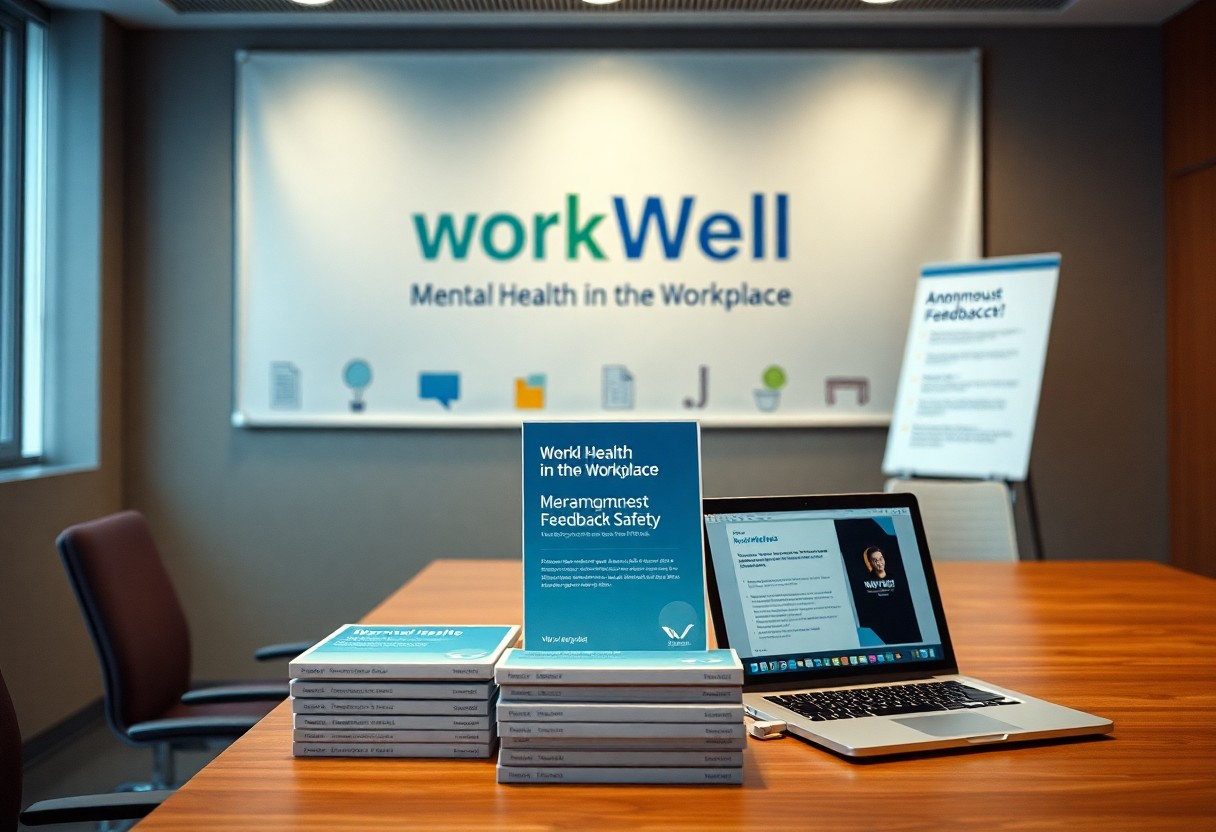
Developing a Culture of Psychological Safety
Teams that prioritize psychological safety let you speak up without fear, reducing burnout and errors while improving collaboration and decision quality.
Destigmatizing Mental Health in Professional Environments
Leaders who share struggles and provide visible support help you drop stigma, increasing help-seeking and retention while normalizing conversations about wellbeing.
Encouraging Open Dialogue and Peer Support
Peers trained to listen without judgment create spaces where you can disclose concerns and access support, lowering the risk of isolation and building trust.
You can set regular check-ins, peer listening circles, and clear referral paths so colleagues know where to turn; train allies to respond safely and respect confidentiality to avoid harm.
The Role of Leadership in Employee Well-being
As a leader, you shape workplace well-being; your decisions set norms that protect psychological safety and reduce burnout by valuing mental health in daily operations.
Training Managers for Empathetic Leadership
Equip your managers with training in active listening, mental-health literacy, and practical de-escalation so you strengthen employee trust and spot early warning signs.
Modeling Healthy Work-Life Boundaries
Model healthy boundaries by limiting after-hours contact, taking leave yourself, and encouraging unplugged time to lower burnout risk.
Set clear expectations about response times, document preferred communication windows, and protect team downtime so you reduce chronic stress, boost focus and productivity, and remove the 24/7 availability pressure that erodes recovery.
Evaluating the Impact of Wellness Programs
Assessment of wellness programs helps you quantify outcomes like reduced absenteeism, increased productivity, and cost savings, while flagging privacy and compliance risks that can undermine trust.
Utilizing Data to Measure Program Efficacy
Metrics you track-participation, retention, absenteeism, and self-reported wellbeing-reveal program efficacy and expose data-quality or privacy risks that can distort results.
Continuous Improvement Through Employee Feedback
Feedback you collect via surveys, focus groups, and anonymous channels surfaces user satisfaction, highlights harmful gaps, and guides iterative changes to improve outcomes.
Regularly ask targeted questions, close the loop by sharing the actions you take, and monitor key metrics so employees observe progress. Prioritize confidential reporting, address signs of burnout, and train managers to respond. When you act promptly on feedback you build trust and sustain measurable improvements.
Summing up
With this in mind, you should adopt clear policies, offer accessible mental-health resources, train managers to recognize needs, and measure outcomes so your workforce stays healthy and productive.
FAQ
Q: What is WorkWell – Mental Health in the Workplace and how does it protect employee privacy?
A: WorkWell combines licensed clinicians, digital screening tools, short-term counseling, and manager resources to address workplace mental health needs. Data collected through assessments and sessions is encrypted in transit and at rest, and stored on SOC 2-compliant infrastructure with strict role-based access controls. All personally identifiable information is separated from aggregate analytics so employer dashboards show only de-identified trends and utilization metrics. Employees control consent for any information sharing beyond clinical care, and clear privacy notices explain data use, retention, and legal exceptions for safety. Platform vendors and clinical partners adhere to HIPAA, GDPR, or applicable local privacy laws and can provide Business Associate Agreements or Data Processing Addenda on request.
Q: How do organizations implement WorkWell and train managers to support employees?
A: Implementation begins with a needs assessment and baseline measurements to set priorities and KPIs. Program rollout typically follows a phased approach: pilot in one team, refine communications and workflows, then expand with targeted internal marketing. Communications templates and employee-facing materials explain confidentiality, access methods, and eligibility. Training for managers covers recognition of signs, how to hold supportive conversations, referral pathways, and reasonable work adjustments. Role-play and scenario-based practice are included to build manager confidence in handling disclosures and safety concerns. Organizations can pilot WorkWell for 6-12 weeks to collect feedback, and ongoing analytics plus refresher modules sustain skills over time.
Q: How does WorkWell measure effectiveness and calculate return on investment?
A: WorkWell measures impact using utilization rates, clinical outcomes, absenteeism, presenteeism, engagement scores, retention, and healthcare cost trends. Baseline measurements are collected prior to rollout to enable pre/post comparisons and trend analysis. Dashboards deliver weekly and quarterly reports for HR and leadership while clinical teams access de-identified population summaries and individual outcomes only with proper consent. Cost-benefit models estimate reduced absence days and productivity gains using inputs like average salary, absence costs, and program utilization to project ROI. Clients often observe measurable improvements within six months where uptake is high; WorkWell supports pilot designs or matched-control evaluations for organizations that require rigorous proof of effect.
Leave a Reply