With anxiety at work harming focus and relationships, you can use practical strategies, spot dangerous panic escalation, and access support and accommodations to protect performance and wellbeing.
Key Takeaways:
- Anxiety often shows as persistent worry, irritability, muscle tension, concentration problems, or task avoidance; tracking triggers and peak times clarifies patterns and informs coping plans.
- Short, practical techniques reduce acute symptoms: paced breathing, grounding (5-4-3-2-1), micro-breaks, brief walks, and progressive muscle relaxation.
- Workplace supports that help include clear expectations, flexible deadlines or task adjustments, private check-ins, and accessible mental-health referrals; employees should set limits on availability and consult a clinician if daily functioning declines.
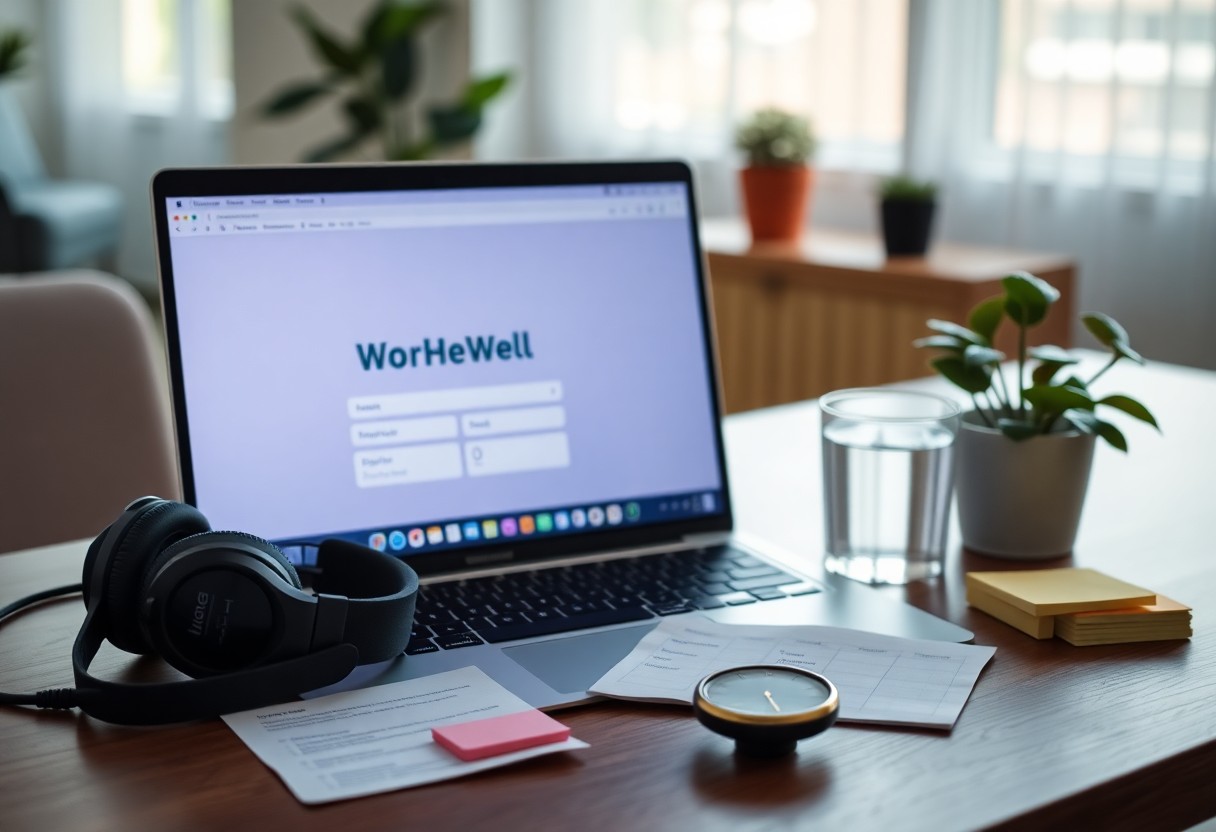
WorkWell – Managing Anxiety at Work
Communication about anxiety at work should be measured; you can learn practical approaches in Managing Anxiety at Work-for You and Your Team. Use brief disclosures, set boundaries, and pick allies so you maintain control over care and confidentiality.
Assessing the benefits and risks of disclosing to HR
Weigh the potential for formal documentation and access to accommodations against risks like privacy loss or workplace stigma; check company policies, your medical needs, and whether informal manager support might be safer.
Strategies for requesting reasonable mental health accommodations
Request accommodations by describing specific challenges, proposing practical adjustments, and offering timelines; include clear examples and any supporting documentation to speed approval.
You should prepare a concise request that names the functional limitation, suggests specific accommodations (flexible hours, quiet workspace, adjusted deadlines), and attaches supporting notes from your provider. Ask for a trial period to evaluate effectiveness, keep written records of all communications, and insist on written decisions from HR. If your request is denied, consider escalating with documented examples and professional legal guidance; preserving confidentiality while documenting outcomes protects you and clarifies next steps.
Establishing Professional Boundaries
Set firm expectations about availability and tasks so you manage workload, protect time away, and lower burnout risk, preserving productivity and mental energy.
Techniques for maintaining work-life integration
Plan routines that separate work from personal time: schedule breaks, set device boundaries, and block personal hours so you recharge and avoid overwhelm.
The importance of assertive communication and saying no
Practice clear, respectful replies that state limits and priorities so you protect focus; saying no when needed prevents overload and preserves credibility.
You can use short scripts to refuse requests, offer alternative timelines, or propose limited help, keeping boundaries while staying professional; a calm tone and steady body language maintain professionalism and reduce guilt.
Conclusion
You can apply WorkWell’s practical techniques to reduce anxiety at work, improve focus, set clear boundaries, and know when to seek support for lasting change.
FAQ
Q: What is WorkWell – Managing Anxiety at Work and how does it differ from other workplace mental health programs?
A: WorkWell is a workplace program that combines brief cognitive-behavioral techniques, stress-management skills, manager training, and policy guidance to reduce anxiety symptoms and improve functioning. The program uses structured individual sessions, short group workshops, and digital micro-lessons to teach practical skills such as grounding, cognitive reframing, pacing, and scheduled worry time. Clinical methods in the program are evidence-based, drawn from CBT, mindfulness-based stress reduction, and problem-solving therapy, and outcomes are tracked with validated measures like GAD-7 and work performance indicators. Implementation options include integration with employee assistance programs (EAPs), direct referrals from managers, and self-enrollment through a secure platform.
Q: What practical strategies does WorkWell teach employees to manage anxiety during the workday?
A: The program teaches short, easy-to-practice techniques that fit inside a workday. Box breathing and paced diaphragmatic breathing reduce physiological arousal in one to five minutes. Grounding exercises and sensory anchors help refocus attention during acute anxiety spikes. Cognitive reframing steps teach employees to label automatic thoughts, test evidence for those thoughts, and generate alternative interpretations in three quick steps. Task-focused tactics include breaking tasks into 15- to 30-minute chunks, using a priority matrix, and scheduling deliberate breaks to prevent overwhelm. Environmental and digital adjustments include setting clear do-not-disturb periods, using noise-cancelling headphones, and using a focus timer app. The program provides downloadable scripts, short audio exercises, and workplace-friendly worksheets for repeated practice.
Q: How should managers and HR support employees using WorkWell while maintaining confidentiality and providing reasonable accommodations?
A: Managers should create clear, private referral paths to WorkWell resources and avoid requesting medical diagnoses during early conversations. HR should offer confidential enrollment options through secure portals and coordinate accommodations such as flexible scheduling, altered deadlines, or workload adjustments when employees request help. Training modules for managers include active listening, how to discuss performance without pressuring disclosure, and criteria for escalating to occupational health or mental health professionals. The program recommends tracking outcomes with aggregated, anonymized data to measure uptake and impact while protecting individual privacy. Immediate referral to clinical care is advised when an employee reports suicidal thoughts, severe functional decline, or symptoms that do not improve after short-term support.
Leave a Reply