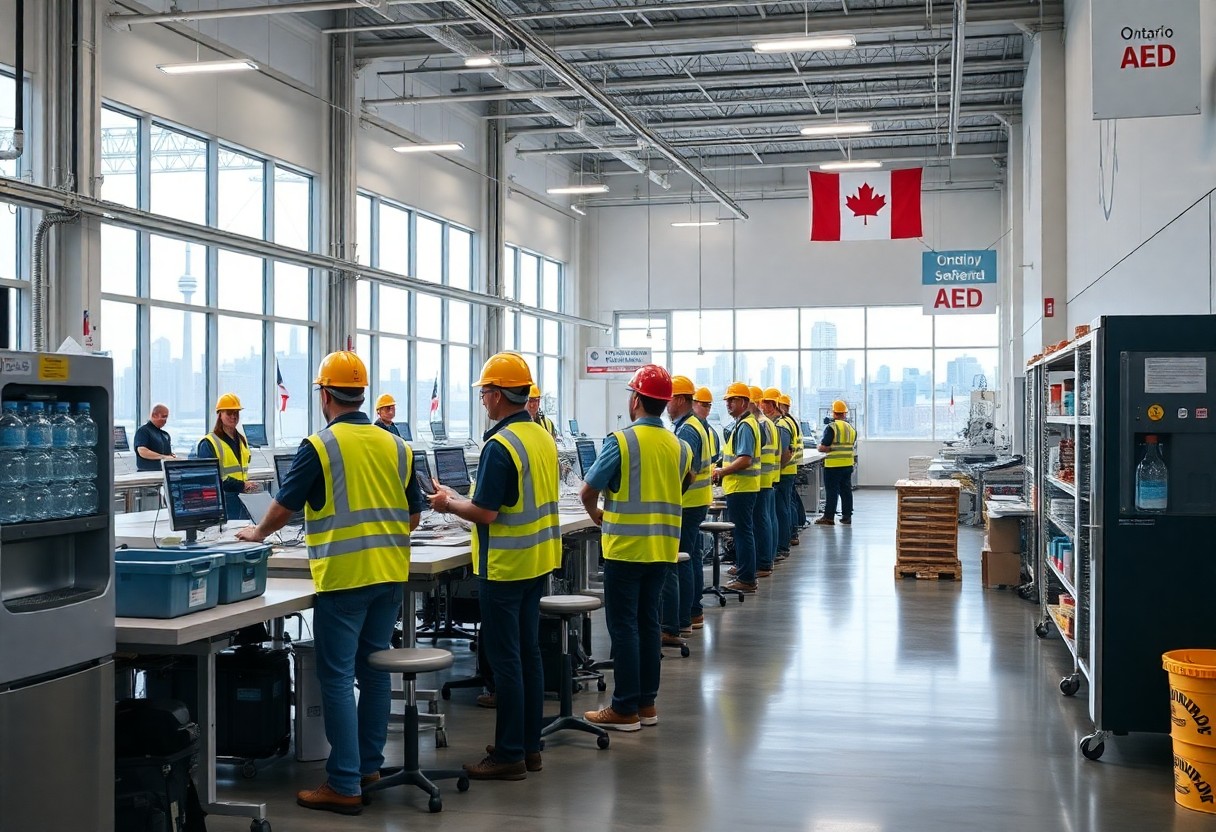
Just improving employee well-being can reduce workplace injuries by up to 40% in Ontario’s manufacturing sector. You face high physical demands and safety risks daily, but proactive wellness programs lower absenteeism, boost morale, and increase productivity. You don’t need major overhauls-small, consistent changes make a measurable impact on health and operational success.
Key Takeaways:
- Manufacturing workers in Ontario face higher risks of physical injury and mental strain due to repetitive tasks and shift work, making targeted wellness programs-like ergonomic assessments and mental health support-imperative for long-term safety and productivity.
- Companies that implement on-site wellness initiatives, such as fitness breaks, injury prevention training, and access to health screenings, report lower absenteeism and improved employee morale.
- Ontario’s Health and Safety at Work Act requires employers to support worker well-being, but proactive companies go beyond compliance by building a culture where employees feel safe discussing health concerns without fear of stigma or job impact.
The Heavy Weight of the Line
Every shift places physical and mental demands on you that accumulate silently over time. Standing for hours, repetitive motions, and constant focus strain your body and mind in ways that aren’t always visible. The line keeps moving, and so must you-often at the cost of long-term well-being.
Physical Strain of Steel
Handling heavy materials and operating machinery exposes you to ongoing musculoskeletal risks. Repeated bending, lifting, and vibration from tools can lead to chronic injuries if not addressed. Your body bears the weight of production, and without proper support, the toll becomes unavoidable.
Mental Fatigue of the Clock
Time pressures and unbroken focus erode your mental resilience. The need to maintain pace with automated systems creates relentless cognitive strain, increasing error rates and reducing alertness. You’re not just fighting tired muscles-you’re fighting mental exhaustion with every passing hour.
Staying locked into a rigid production rhythm forces your mind to operate at peak attention for hours on end, with little room for mental recovery. This sustained pressure can lead to increased risk of workplace incidents and long-term burnout. Recognizing the signs-like difficulty concentrating or irritability-is key to protecting both your health and workplace safety. Employers who integrate short cognitive breaks and rotation schedules help reduce this hidden burden.
The Laws of the Land
Compliance with Ontario’s occupational health and safety regulations isn’t optional-it’s the law. You must ensure your workplace follows the Occupational Health and Safety Act (OHSA), which sets clear expectations for employers, workers, and supervisors. Failure to meet these standards can result in fines, work stoppages, or serious legal consequences.
Ontario Safety Standards
Safety standards in Ontario require you to maintain equipment, provide proper training, and conduct regular inspections. You are responsible for identifying hazards and implementing controls that protect workers. Machine guarding, fall protection, and lockout procedures are non-negotiable elements of daily operations.
Duties of the Owner
As the owner, you hold ultimate responsibility for workplace safety. You must ensure policies are in place, resources are allocated, and safety is prioritized at every level. Ignoring this duty can lead to prosecution if an incident occurs.
Owners are legally required to appoint competent supervisors, support the work of the Joint Health and Safety Committee (JHSC), and respond to safety concerns without delay. You must also ensure that all workers receive mandatory training, including WHMIS and fall protection where applicable. Your active involvement sets the tone for safety culture-passive oversight is not enough under the law.
The Cost of the Empty Chair
Every unfilled position in your facility carries a hidden price. Absent workers mean delayed orders, increased errors, and higher overtime costs. You’re not just missing a body on the floor-you’re losing momentum. Creating a Robust Employee Wellness Program in manufacturing can reduce turnover and keep your lines moving.
Lost Hours on the Floor
Time lost to absenteeism cuts directly into your productivity. When team members are absent, their workload doesn’t disappear-it spreads, straining others and increasing the risk of mistakes. Even a single day missed can disrupt shift handoffs and quality control, costing more than just wages.
The Slow Death of Output
Chronic stress and fatigue erode performance long before anyone quits. Small dips in focus lead to rework, delays, and safety near-misses that go unreported. This gradual decline often goes unnoticed until output metrics fall below targets and customer complaints rise.
Output doesn’t collapse overnight-it fades under sustained pressure from burnout and disengagement. Workers push through fatigue, but consistency suffers, cycle times lengthen, and defect rates climb. Addressing wellness isn’t about comfort; it’s about sustaining precision, safety, and throughput over the long term.
The Tools of Wellness
Every manufacturing team in Ontario benefits from practical wellness resources. You can access guidance on building sustainable health practices through trusted sources like this Workplace Wellness overview, which outlines actionable steps tailored to industrial environments. These tools support long-term employee well-being and improve daily operations.
Simple Health Screens
Regular health screenings catch potential issues early. You should offer on-site blood pressure checks, glucose testing, and hearing assessments to identify hidden risks before they become serious. These quick evaluations support faster interventions and show employees their well-being matters.
Better Gear for the Hands
Protecting hands starts with high-quality gloves designed for specific tasks. You reduce the risk of cuts, burns, and repetitive strain by choosing gear that fits well and matches the job’s demands. Proper hand protection prevents long-term injuries and keeps workers safe.
Choosing the right hand protection means more than just wearing gloves. You need materials that resist chemicals, abrasions, or heat depending on the task. Poorly fitting or generic gloves increase fatigue and reduce dexterity, raising the chance of accidents. Investing in task-specific hand gear boosts both safety and productivity on the factory floor.
Bread and Rest
You know how a steady machine needs proper fuel and maintenance-your body is no different. What you eat and how you rest directly impact your focus, energy, and safety on the production floor. Poor choices lead to fatigue, while smart habits support long-term health and performance.
Proper Food in the Canteen
Quality meals matter more than you might think. A canteen offering balanced, nutritious options helps stabilize blood sugar and prevents dangerous energy crashes during shifts. You’re less likely to feel sluggish or distracted when real food fuels your workday.
True Breaks for the Mind
Stepping away from your station isn’t just about rest-it’s about resetting. A real break means disconnecting, even briefly, so your mind isn’t constantly strained. Mental recovery reduces error rates and prevents burnout over time.
Real mental recovery happens when you step outside, silence your phone, or sit quietly-activities that let your brain exit work mode. Unlike scrolling or standing near machinery, these moments allow your nervous system to relax. When you return, your focus sharpens and your reaction time improves, making your work both safer and more efficient. Employers who protect break time see fewer incidents and higher morale.
The Final Count
Every decision you make about employee wellness directly impacts your bottom line. Reduced absenteeism, fewer workplace injuries, and higher productivity aren’t just outcomes-they’re measurable returns on investment. The numbers confirm what forward-thinking manufacturers already know: a healthy workforce is a profitable one.
Staying for the Long Haul
You build loyalty when workers feel valued beyond their output. Offering consistent wellness support signals long-term commitment, encouraging employees to stay. Lower turnover means preserved knowledge, reduced hiring costs, and stronger team cohesion-benefits that compound over time.
The Profit of a Healthy Man
You gain more than morale when workers are physically and mentally well. A healthy employee operates machinery safer, makes fewer errors, and sustains focus longer. Every percentage point in wellness improvement translates directly into efficiency and cost savings.
Health isn’t just a personal matter-it’s a production metric. When you invest in ergonomic workstations, mental health resources, and preventive care, you reduce costly downtime. Injured workers cost Ontario manufacturers millions annually, but proactive wellness slashes those figures. Your most productive asset isn’t machinery-it’s the person operating it.
To wrap up
Conclusively, workplace wellness in Ontario’s manufacturing sector directly impacts productivity, safety, and employee retention. You see measurable improvements when mental health support, injury prevention, and physical well-being are integrated into daily operations. Your workforce becomes more engaged, incidents decrease, and operational efficiency rises when wellness is consistently prioritized across shifts and facilities.
FAQ
Q: What workplace wellness programs are most effective for manufacturing workers in Ontario?
A: Physical safety and mental health support are top priorities in manufacturing environments. Programs that include on-site ergonomic assessments, injury prevention training, and access to mental health resources like Employee Assistance Programs (EAPs) show strong results. Many Ontario manufacturers have reduced workplace injuries by introducing daily stretch routines and peer-led safety check-ins. On-site flu clinics, smoking cessation support, and fatigue management workshops also address common health concerns in shift-based roles. These initiatives work best when supervisors participate and encourage team involvement.
Q: How can small to mid-sized manufacturers in Ontario afford wellness programs?
A: Cost-effective wellness strategies are available through government and community resources. Ontario’s Workplace Safety and Insurance Board (WSIB) offers grants for health and safety improvements that can include wellness components. Companies with fewer than 500 employees may qualify for free training through the Health and Safety Ontario network. Simple changes like rotating physically demanding tasks, improving break room lighting, or posting mental health hotline numbers cost little but improve morale. Some manufacturers partner with local clinics to provide free health screenings during shifts, reducing time off and building trust.
Q: Do wellness programs impact productivity in Ontario manufacturing plants?
A: Yes, plants that support worker well-being often see fewer absences and lower turnover. Workers who feel physically supported and mentally healthy are more focused and less likely to make errors. A Windsor-based auto parts manufacturer reported a 22% drop in lost-time injuries within a year of launching a wellness campaign that included hydration stations, noise reduction upgrades, and monthly wellness chats. Productivity gains come not from big investments, but from consistent, visible efforts-like managers checking in after overtime shifts or posting stretch breaks on shift schedules. Workers respond when they see leadership taking their health seriously.
Leave a Reply