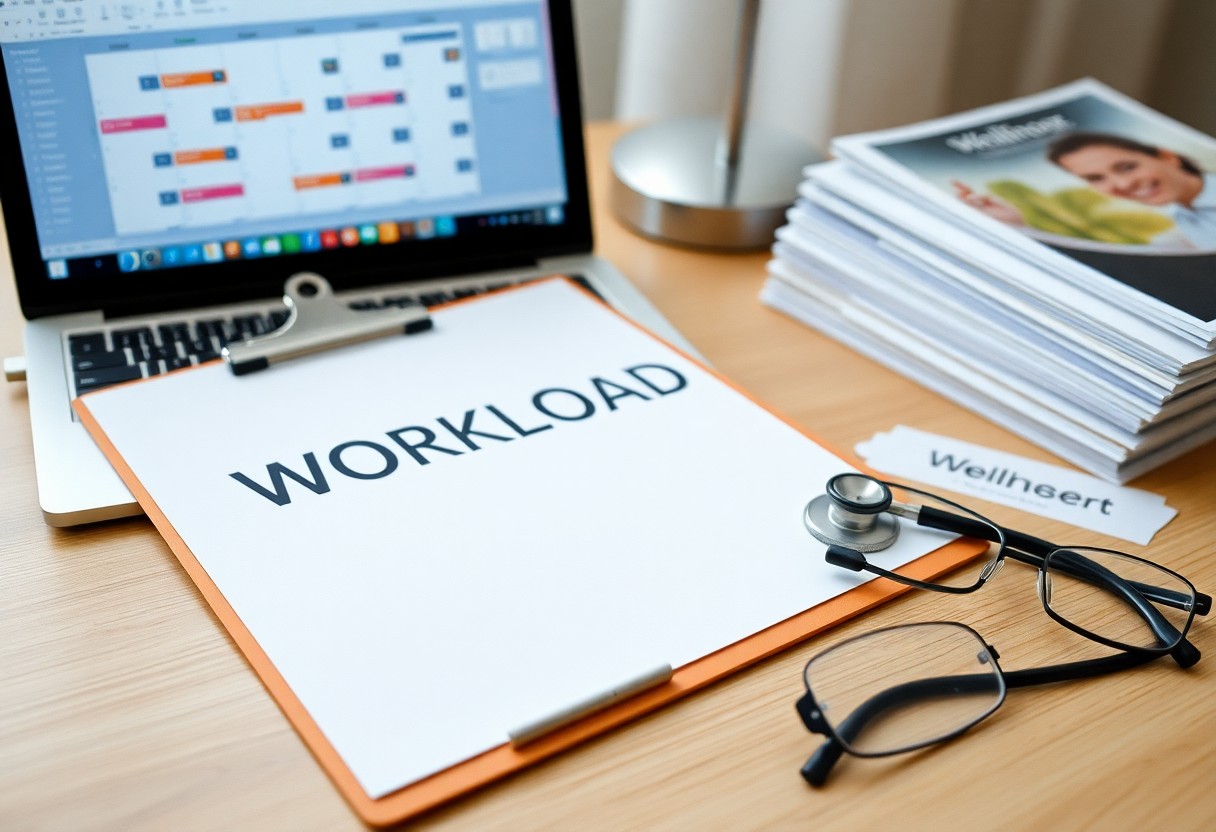
Balance begins when you recognize that your workload directly shapes your well-being. Ignoring excessive demands can lead to burnout, anxiety, and chronic stress, while managing it well supports mental clarity and physical health. You experience better outcomes when workload is treated not as a productivity footnote, but as a core element of personal wellness.
Key Takeaways:
- Workload directly impacts mental and physical health, making it a core factor in employee wellness-ignoring it risks burnout and disengagement.
- Employees facing high or unmanageable workloads are less likely to participate in wellness programs, no matter how well-designed those programs are.
- Addressing workload creates space for meaningful self-care, allowing wellness initiatives to have real impact instead of adding to existing stress.
The Yoga Mat Fallacy
You’re told self-care fixes burnout-just stretch, breathe, and meditate it away. But no amount of mindfulness can offset a workload that demands 12-hour days. When companies offer yoga while ignoring crushing deadlines, they shift responsibility from systems to individuals. That’s not wellness. That’s avoidance.
The Resilience Trap
You’re praised for pushing through exhaustion, as if endurance is a virtue. Calling burnout a failure of personal resilience ignores structural overload. You’re not broken because you’re tired-your workload is. Resilience shouldn’t mean suffering in silence. It’s not strength to accept the unsustainable.
Misplaced Corporate Solutions
You get free snacks, nap pods, and wellness webinars while your inbox overflows. Perks don’t reduce workload-they distract from it. Employers offer feel-good fixes instead of fixing what actually harms well-being. You don’t need another meditation app. You need manageable tasks and respect for boundaries.
What passes as support often serves the company more than you. Subsidized gym memberships won’t help when you’re too busy to sleep. These solutions treat symptoms while ignoring the disease: chronic overwork. Real change means rethinking deadlines, staffing, and expectations-not just adding perks that let overload continue unchecked.
The Architecture of Overload
You experience overload not because you’re weak, but because modern work systems are built without human limits in mind. Demand consistently exceeds capacity, creating a hidden tax on mental and physical health that accumulates silently-until it can’t be ignored.
Cognitive Thresholds
Your brain has a finite ability to process decisions, distractions, and demands. Exceeding this threshold leads to diminished focus, increased errors, and emotional fatigue. Once crossed, recovery isn’t optional-it’s mandatory, even if you ignore it.
Systemic Imbalance
Workloads often reflect organizational priorities, not individual capacity. When expectations outpace resources, imbalance becomes inevitable. You’re not failing the system- the system is failing you, and that misalignment harms well-being at every level.
Imbalance isn’t just about long hours-it’s about unacknowledged pressure, unclear boundaries, and the expectation to perform without pause. Chronic misalignment between effort and support erodes confidence, sleep, and long-term health. This isn’t personal failure; it’s structural neglect that demands structural change.
Cultural Calibration
Workload expectations shift dramatically across industries and regions, yet few organizations adjust policies to match these cultural rhythms. You may find yourself praised for long hours in one country while the same effort draws concern elsewhere. Recognizing these differences isn’t optional-it’s a prerequisite for sustainable performance and genuine well-being on a global scale.
Redefining Success
Success no longer means answering emails at midnight or packing every hour with tasks. You’re measuring achievement by energy, focus, and impact-not hours logged. This shift allows you to prioritize meaningful output over visible busyness, creating space for recovery and creativity without guilt.
Institutional Responsibility
Leaders set the tone for workload culture, whether they intend to or not. When managers model overwork, you’re more likely to follow-even if burnout follows. True wellness begins when institutions enforce boundaries, reward efficiency, and protect rest as a non-negotiable component of performance.
Organizations that claim to support wellness while allowing unchecked workloads create dangerous contradictions. You notice when leadership praises balance but schedules back-to-back meetings until 7 PM. Real accountability means aligning policies with promises-tracking after-hours communication, capping workloads, and holding managers responsible for team well-being. Without this alignment, wellness initiatives become empty gestures, and the risk of chronic stress grows. Your health depends on more than slogans-it requires structural change.
The Invisible Weight
You carry more than just tasks on your to-do list. Hidden beneath meetings and deadlines is an invisible weight that drains your energy, even when you’re not moving. This silent burden isn’t measured in hours, but in the constant hum of pressure that shapes how you feel, think, and recover.
Mental Bandwidth
Your mind has a finite capacity to process thoughts, emotions, and responsibilities. When workload consumes too much of this space, simple tasks feel overwhelming and focus becomes fragile. You’re not lazy or weak-your mental bandwidth is stretched thin, leaving little room for clarity or calm.
Decision Fatigue Mechanics
Each choice you make, no matter how small, depletes a limited reserve of mental energy. As your day progresses, willpower erodes, leading to impulsive reactions or avoidance. This isn’t poor discipline-it’s the predictable result of too many decisions stacked under pressure.
Decision fatigue doesn’t just affect productivity-it reshapes your behavior. After dozens of work-related judgments, your brain seeks shortcuts, often defaulting to stress-driven habits like emotional eating, procrastination, or snapping at loved ones. The most dangerous part is how invisible it feels; you believe you’re making conscious choices when, in reality, your exhausted mind is simply trying to survive the load. Recognizing this cycle is the first step toward protecting your well-being.
Summing up
So your workload directly shapes your well-being. Ignoring it in wellness discussions leaves out a core factor affecting your energy, focus, and mental health. You face real consequences when demands exceed capacity. Addressing workload isn’t optional-it’s a necessary step in building sustainable health practices that reflect your actual daily experience.
FAQ
Q: Why should workload be discussed in wellness programs at work?
A: Workload directly affects mental and physical health. When employees are consistently assigned more tasks than they can manage, stress levels rise, sleep suffers, and the risk of burnout increases. Wellness programs that ignore workload miss a core factor influencing employee well-being. Talking about workload ensures that support systems address real daily pressures, not just symptoms like fatigue or low mood. Real change happens when organizations recognize that sustainable wellness starts with realistic job demands.
Q: Can a heavy workload impact team performance even if individuals don’t complain?
A: Yes. High workload often leads to quiet strain-people may stay silent to appear reliable, but performance still declines. Mistakes become more frequent, creativity drops, and collaboration weakens as individuals focus only on surviving their task list. Over time, disengagement spreads even among top performers. Wellness conversations that include workload help uncover these hidden issues before they affect team cohesion and output. Silence doesn’t mean success-it can signal silent overload.
Q: How does discussing workload improve trust between employees and management?
A: When leaders openly talk about workload, it shows they care about fairness and sustainability, not just output. Employees feel heard when their capacity is acknowledged and respected. This builds psychological safety, where people feel comfortable speaking up before stress becomes unmanageable. Wellness initiatives that include workload assessments create a culture where balance is valued, not punished. Trust grows when actions match words-like adjusting deadlines or redistributing tasks to support well-being.
Leave a Reply