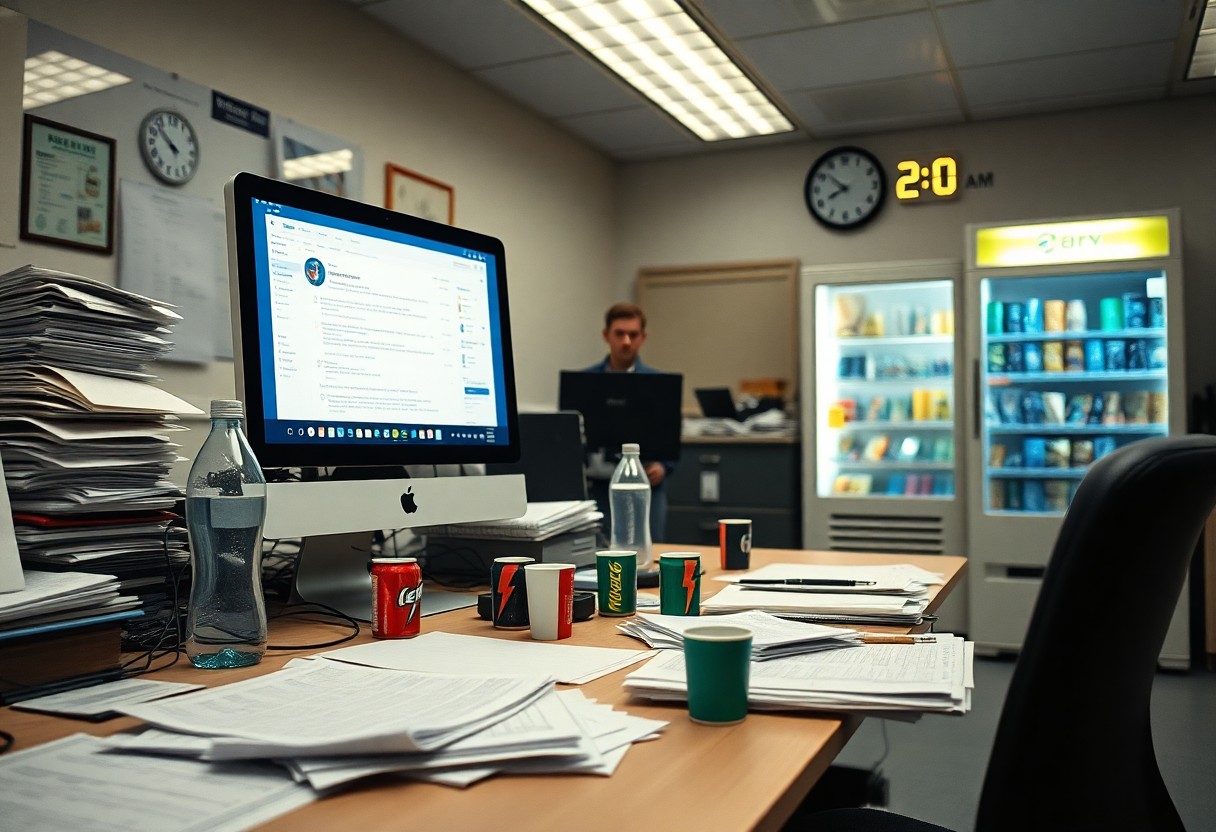
You face stress, long hours, and sedentary routines daily, all of which impact your health and productivity. Poor work-life balance, lack of mental health support, and limited physical activity are widespread issues in modern workplaces. Recognizing these challenges is the first step toward creating a healthier, more supportive environment where you can perform at your best.
The Weight of the Mind
Your thoughts shape your workday more than you realize. Mental strain often goes unnoticed until it disrupts focus, sleep, or relationships with colleagues. Pressure to perform, constant connectivity, and blurred boundaries between home and office life feed an ongoing internal burden that quietly erodes well-being.
The stress that does not sleep
Stress follows you home, lingering long after the workday ends. You might lie awake replaying meetings or worrying about deadlines, your body stuck in a cycle of alertness. This persistent mental activation prevents true recovery, leaving you drained before the next day begins.
The exhaustion of the spirit
Work can drain more than your energy-it can dull your sense of purpose. When daily tasks feel meaningless or misaligned with your values, a deeper fatigue sets in. This isn’t just tiredness; it’s a quiet erosion of motivation and connection to your role.
Over time, the exhaustion of the spirit reveals itself in subtle ways: you stop volunteering for projects, withdraw from team interactions, or feel indifferent to outcomes. Unlike physical fatigue, this weariness isn’t fixed with a day off. It grows when recognition is absent, autonomy is limited, or your contributions feel invisible. Rebuilding requires more than rest-it demands alignment, respect, and a renewed sense of belonging in your work environment.
The Trap of the Chair
Sitting all day silently undermines your health, even if you exercise outside the office. Workplace Wellness Challenges: 18 Ideas reveal how common sedentary habits are-and how dangerous they become over time.
Stillness is a slow death
You weren’t built to stay motionless for hours. Prolonged sitting slows circulation, dulls metabolism, and increases your risk of chronic disease. Your body begins to deteriorate in ways you won’t notice until symptoms appear, often too late to reverse easily.
The loss of physical strength
Muscles weaken quickly without regular use, and desk jobs rarely demand physical effort. Over months, you lose endurance, stability, and functional strength-making everyday movements harder and raising injury risk during simple tasks.
Extended inactivity directly signals your body to break down muscle tissue, especially in the legs and core. Without resistance or movement, strength declines at an accelerating rate, particularly after age 30. This loss isn’t just about fitness-it impacts balance, posture, and long-term mobility, making recovery from illness or injury more difficult.
The Digital Leash
You’re never truly off the clock. The constant ping of emails and messages ties you to work long after hours, blurring the line between professional duties and personal time. This invisible tether erodes boundaries, making disconnection feel impossible-even when you’re exhausted.
Calls that come after dark
You know the jolt-a work call at 8 PM or later. These after-hours interruptions disrupt family time, sleep, and mental recovery. When expectations include round-the-clock availability, rest becomes a luxury instead of a right, fueling long-term fatigue and resentment.
The glare of the blue light
Your screen glows well into the evening, and you feel the strain in your eyes and mind. Prolonged exposure to blue light from devices disrupts circadian rhythms, making it harder to fall asleep and reducing sleep quality over time.
Extended screen time, especially in low-light environments, forces your eyes to work harder, leading to digital eye strain. Symptoms like dryness, blurred vision, and headaches are common. Blue light also suppresses melatonin production, interfering with your body’s natural wind-down process. You may not notice the impact immediately, but over days and weeks, sleep suffers, and mental clarity fades. Simple changes-like using night mode settings or stepping away from screens an hour before bed-can make a measurable difference in how rested and focused you feel.
The Poor Diet
Unhealthy eating habits silently undermine your energy and focus at work. Frequent access to processed snacks and sugary drinks fuels fatigue and mood swings. You’re not alone-many struggle to make better choices in an environment that prioritizes convenience. Learn more about common obstacles from 20 Employee Wellness Challenges Your Employees Won’t Hate.
Sugar and salt in the office
Sugar and salt hide in plain sight across typical office snacks. You might grab a granola bar or chips without realizing their high sodium or sweetener content. These choices lead to energy crashes and long-term health risks. Awareness is the first step toward breaking the cycle.
The absence of honest meals
Meals at your desk or skipped lunches distort your relationship with food. You’re often left choosing quick bites over balanced nutrition. Without real meal breaks, digestion and concentration suffer. This pattern chips away at long-term well-being.
Honest meals mean sitting down without distractions, chewing slowly, and giving your body the fuel it needs. When meetings stack up or deadlines loom, eating becomes an afterthought. Reclaiming mealtime isn’t indulgence-it’s a necessary act of self-care that supports mental clarity and physical health throughout the workday.
The Wall of Silence
You’ve likely felt it-the unspoken tension when no one addresses stress, burnout, or mental strain at work. Silence becomes a barrier, not protection. When concerns go unvoiced, wellness initiatives lose meaning. Without open dialogue, even the best programs fail to reach those who need them most.
Fear of the direct word
Speaking up about your workload or emotional state can feel risky. You worry labels like “not resilient” might follow. This fear keeps real struggles hidden. Silence isn’t strength-it’s a sign the environment isn’t safe enough for honesty.
The cold shoulder of the boss
Your manager avoids eye contact after you mention stress. Responses become brief, meetings feel colder. This subtle withdrawal signals disapproval, not support. When leaders react with distance, it teaches employees to stay quiet.
When your boss gives you the cold shoulder after a wellness-related conversation, it sends a powerful message-your well-being isn’t a priority. This behavior discourages future disclosures and erodes trust. Leadership isn’t just about policies; it’s about presence, responsiveness, and consistent emotional availability when employees speak up.
The Lack of Means
Many organizations struggle to support employee wellness due to limited resources. You face budget constraints that make comprehensive programs difficult to sustain. Even with good intentions, financial realities often force wellness initiatives to take a backseat to operational needs.
Small coins for big health
You’re expected to maintain well-being on tight budgets. Companies often allocate minimal funds to wellness, treating it as an afterthought. These small investments rarely match the scale of health challenges employees face daily.
Tools that do not exist
You lack access to practical systems that support mental and physical health at work. Many workplaces still operate without digital platforms for stress tracking, ergonomic assessments, or confidential counseling referrals.
Without the right infrastructure, your ability to act on wellness is severely limited. You might recognize the need for support, but no system exists to connect you with timely, relevant help. This absence isn’t oversight-it’s a gap in organizational design that leaves real needs unmet.
Summing up
You face real barriers to wellness at work-long hours, poor ergonomics, limited mental health support, and inconsistent policies. These challenges affect your focus, energy, and long-term health. Employers who act on feedback and adjust conditions help you stay balanced, productive, and engaged without relying on one-size-fits-all solutions.
Leave a Reply