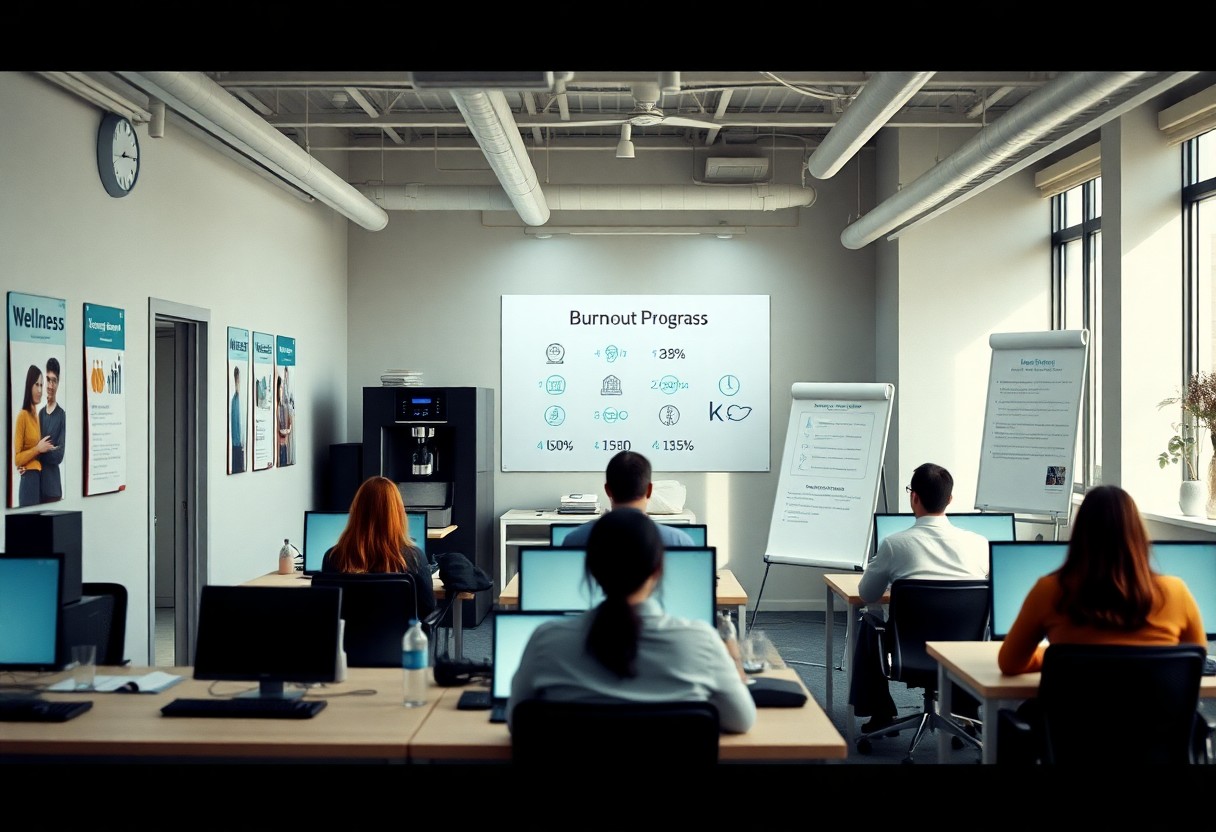
Burnout is a pervasive issue that can undermine any wellness initiative you implement. Even with well-structured wellness programs, your employees may still experience exhaustion and disengagement if you overlook key factors like workload management and organizational culture. To foster a truly supportive environment, it’s vital to address not just the symptoms of burnout but also the underlying causes, enabling your team to thrive instead of just survive.
Key Takeaways:
- Wellness programs may not address the root causes of burnout, such as workload and workplace culture.
- Employee engagement and feedback are imperative to tailor wellness initiatives effectively.
- Continuous support and resources are needed beyond structured programs to combat burnout.
The Wellness Industry Paradox
The wellness industry often presents an array of options to promote employee health, yet this abundance can obscure the actual needs of your workforce. Seamless marketing can make these programs seem appealing, but their effectiveness largely hinges on how well they align with employees’ day-to-day realities. Attempting to fit a one-size-fits-all solution leads to disengagement when necessary issues like excessive workload and toxic culture remain unaddressed.
Wellness Programs vs. Actual Needs
Your wellness programs may look good on paper, but if they don’t resonate with your employees’ real challenges, their impact will be minimal. Programs focusing solely on physical health neglect critical areas like mental well-being and workplace morale. Tailoring your initiatives to balance both physical and psychological aspects can enhance effectiveness and support sustainable workplace wellness.
The Feedback Loop: Ignored Employee Insights
Ignoring employee feedback creates a disconnect between wellness offerings and actual needs. Regular surveys or focus groups can reveal valuable insights into what employees want from wellness programs. Most organizations collect this data but fail to act, leaving wellness initiatives misaligned with employee expectations and problems.
Many organizations collect employee feedback in the form of surveys, yet less than 30% of companies actively adjust their wellness programs based on this information. This trend often results from the common misconception that wellness solutions are universally accepted. By establishing a continuous feedback loop, you can identify and address specific pain points such as stress, workload, or lack of resources. Responding to these insights not only fosters trust but can transform your wellness initiatives into impactful tools your employees genuinely appreciate and utilize.
The Unseen Stressors: Beyond Conventional Wellness
Many organizations miss critical aspects of employee well-being by focusing solely on conventional wellness programs. Real stressors often lie beneath the surface, along with unique personal challenges and systemic issues that traditional initiatives don’t account for. You must investigate these hidden factors to create a more supportive environment where employees can thrive.
Workplace Culture and Its Impact on Well-Being
Your workplace culture shapes employees’ day-to-day experiences and affects their mental health significantly. A culture that prioritizes collaboration, respect, and transparency fosters employee satisfaction and engagement. Conversely, toxic environments filled with gossip, competition, and distrust can lead to increased stress and burnout.
Unmanageable Workloads: The Silent Saboteur
Heavy workloads often go unnoticed until they culminate in employee burnout. Failing to assess productivity realistically can lead to employees feeling overwhelmed, particularly when project timelines constrict and support dwindles. You risk losing top talent if excessive demands remain unaddressed.
Consider a study showing that employees working over 50 hours a week are 13% more likely to experience burnout. When you set unrealistic deadlines or fail to distribute tasks equitably, you create a pressure cooker situation. Employees may become disengaged or hesitant to voice concerns, fearing repercussions or judgment. Regular check-ins and workload assessments can prevent these crises, allowing you to identify signs of strain and adjust expectations accordingly, ultimately enhancing productivity and retention.
Misalignment of Expectations: Employees vs. Employers
Expectations often differ between employees and employers regarding wellness programs. While you may aim to create a supportive environment through resources, employees might feel these initiatives are mere boxes to check rather than genuine efforts to address wellbeing. This misalignment can generate disillusionment, leading to heightened stress and emotional fatigue.
Discrepancies in Perceived Effectiveness
Your wellness programs might be perceived as largely ineffective by employees. A survey found that only 31% of employees view their company’s wellness offerings as valuable. This gap can stem from the belief that initiatives don’t cater to their actual needs, resulting in low participation and engagement.
The Disconnect Between Offerings and Daily Realities
The reality of employees’ day-to-day experiences often clashes with what wellness programs promote. Despite offering flexible hours or mental health days, many feel overwhelmed by heavy workloads and tight deadlines. These responsibilities make it challenging to leverage wellness resources effectively, leaving employees frustrated and burnt out.
This disconnect between offerings and daily realities highlights the disparity between what you think is being provided and what employees actually experience. For instance, a company might promote a meditation app or fitness classes, yet employees face constant pressure to meet unrealistic deadlines, leaving little room to engage with those benefits. Consequently, you risk alienating your workforce, as they may perceive wellness programs as inadequate in addressing their pressing challenges, further catalyzing burnout.
The Role of Leadership in Employee Well-Being
Leadership plays a pivotal role in fostering employee well-being. Leaders who prioritize a healthy workplace culture not only enhance engagement but also mitigate burnout. Commitment to well-being must be evident, as employees often look to leadership as a model. Effective leaders set the tone for workplace policies, ensuring employees feel supported and valued. For further insights, read Why Workplace Well-Being Programs Don’t Achieve Better ….
Leadership Styles and Their Impact on Employee Engagement
Your leadership style significantly impacts employee engagement. Transformational leaders inspire motivation and innovation, driving teams towards shared goals. In contrast, autocratic approaches can stifle creativity and lead to resentment, resulting in disengagement and increased burnout. Adapting your style to encourage open communication and collaboration nurtures a culture of trust, where employees feel empowered to voice concerns and contribute to solutions.
Accountability: Bridging the Gap Between Programs and Implementation
Establishing accountability for wellness program outcomes is crucial to translate initiatives into meaningful change. Your organization should identify specific goals and metrics to measure success, ensuring leaders are aligned with these objectives. Regular evaluations allow teams to adjust strategies, addressing challenges in real-time.
Creating a robust accountability framework involves setting clear expectations for both leaders and employees regarding participation and outcomes of wellness programs. Regular check-ins and performance reviews should include wellness metrics, holding leaders responsible for fostering a culture of health. This not only encourages active engagement in wellness initiatives but also illustrates a commitment to continuous improvement. By tracking progress and sharing results openly, you reinforce the value of well-being in your organization, ultimately bridging the gap between intention and impact.

Strategies for Authentic Wellness Engagement
Tailoring Programs to Employee Feedback
Directly integrating employee feedback into wellness programs fosters a culture of engagement. Conducting regular surveys and focus groups allows you to identify specific needs and preferences among your workforce. This not only enhances participation rates but also ensures that the initiatives resonate deeply with your employees’ realities, leading to greater adoption and effectiveness of wellness strategies.
Creating Sustainable Work-Life Balance Initiatives
Implementing genuine work-life balance initiatives involves structuring flexible work arrangements, promoting downtime, and encouraging employees to take full advantage of their time-off policies. Organizations that champion a healthy balance often see increased morale and productivity. Providing resources and training on time management can equip your staff to prioritize effectively.
To make work-life balance initiatives sustainable, consider introducing policies such as remote work options and flexible hours. Allowing employees to design their work schedules lets them manage personal commitments alongside professional responsibilities. Additionally, set expectations around email communication after hours to reinforce the importance of disconnecting. Your example as a leader, when you respect these boundaries, will significantly influence the company’s direction toward a supportive culture that values both work and personal time.
To wrap up
To wrap up, while you may offer wellness programs, it’s vital to recognize that they alone cannot combat employee burnout effectively. You must assess your organizational culture, workload expectations, and support systems. Engaging employees in open conversations about their needs and integrating wellness initiatives into their daily routines can create a more sustainable work environment. By actively addressing the underlying issues contributing to burnout, you can enhance the overall effectiveness of your wellness programs and promote lasting well-being within your team.
FAQ
Q: What factors contribute to employee burnout despite wellness programs?
A: Employee burnout can occur due to various factors including excessive workload, lack of control over tasks, insufficient support from management, and workplace culture. While wellness programs can enhance employee well-being, systemic issues may still lead to burnout if not addressed holistically.
Q: How can organizations evaluate the effectiveness of their wellness programs?
A: Organizations can assess wellness program effectiveness by collecting employee feedback through surveys, monitoring participation rates, analyzing absenteeism and turnover rates, and measuring overall employee engagement. Regular reviews help to identify areas for improvement and ensure alignment with employee needs.
Q: What additional strategies can organizations implement to combat employee burnout?
A: To reduce employee burnout, organizations can promote work-life balance, provide resources for mental health support, encourage open communication, and create a culture that prioritizes well-being. Flexible work schedules and regular check-ins can also help in addressing individual employee needs.
Leave a Reply