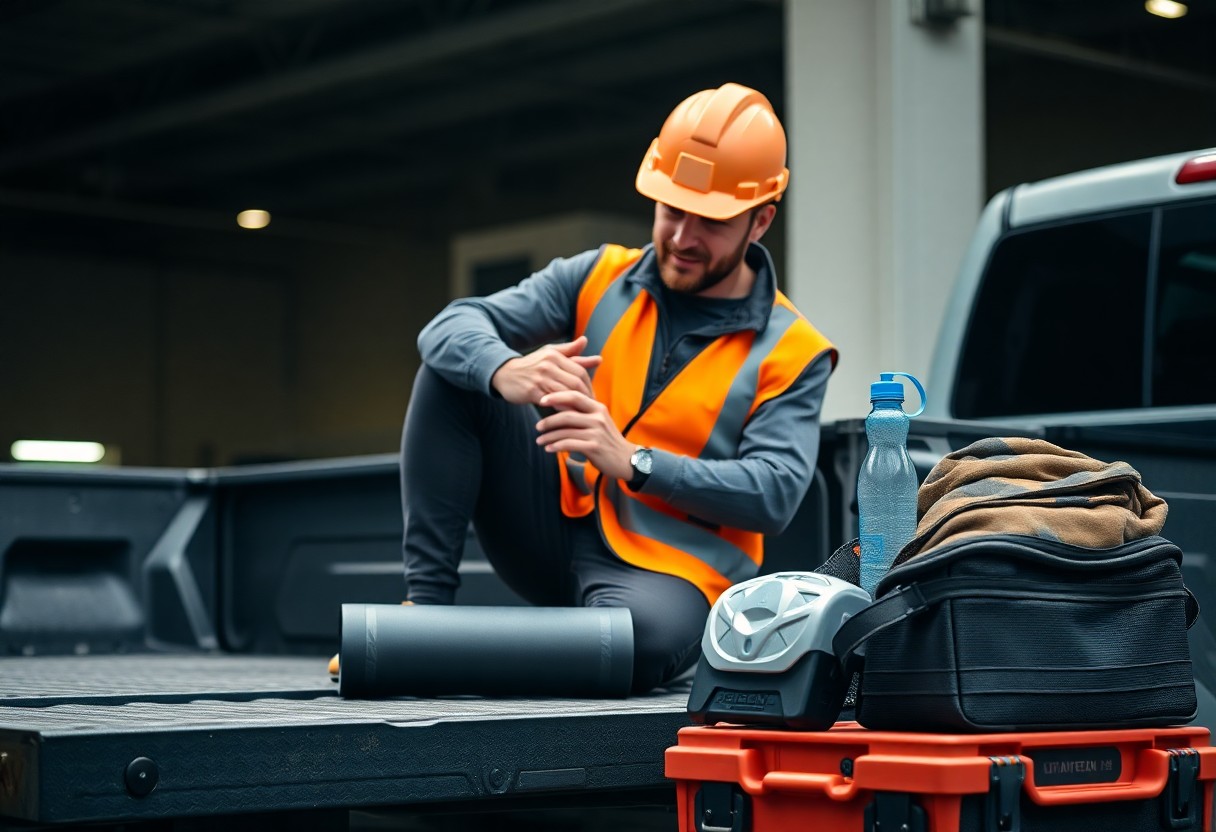
Many physical jobs demand constant movement, lifting, or exposure to the elements, placing unique strain on the body and mind. You face real risks daily, from repetitive motion injuries to dehydration, yet wellness advice often ignores your reality. This guide addresses actionable, field-tested strategies for those who work with their hands, stand for hours, or operate heavy machinery. You deserve health support that fits your world.
Key Takeaways:
- Physical labor does not automatically equate to optimal health, as repetitive motions and prolonged postures can lead to strain; a roofer spending hours with arms overhead may develop shoulder issues without targeted mobility work and recovery.
- Hydration and electrolyte balance are more urgent concerns in outdoor or high-exertion roles than for desk workers; a road construction crew member in hot conditions may need to drink water with added minerals every 20 minutes during peak activity to prevent cramping.
- Mental resilience is shaped by rhythm and routine in non-desk roles, where structured breaks between tasks-such as a 10-minute seated pause after completing a trench dig-can improve focus and reduce injury risk more than longer, infrequent rests.
The Body at Labor
Your muscles bear the real cost of physical work, contracting thousands of times in a single shift. Repetitive motion and sustained effort strain tendons and joints, especially in the knees, shoulders, and lower back. Without proper form or recovery, microtears accumulate, leading to chronic pain. A warehouse packer, for example, may lift 10,000 pounds in a day, each lift demanding alignment and control. Your body adapts only if given the chance to repair.
Salt and Rations
When sweating heavily during prolonged physical work, you lose electrolytes that plain water won’t replace, and relying solely on water can lead to dangerous hyponatremia. You need a consistent intake of sodium, especially in hot environments, which means adding salt to meals or consuming electrolyte-rich foods. A construction worker on a summer shift, for example, may require up to 5 grams of salt daily, far above typical dietary recommendations. Pack snacks like salted nuts, pickles, or broth-based rations to maintain balance without supplements. Ignoring this need impairs muscle function and increases fatigue, reducing both safety and stamina over time.
The Brief Rest
Even five minutes off your feet during a shift can reduce swelling and mental fatigue, especially when standing for hours. Sitting is not a luxury-it’s a safety measure that prevents long-term joint strain. When possible, elevate your legs slightly and stretch your lower back. Workplace Wellness: Good Ergonomics For Your Return to … highlights how brief seated intervals improve circulation and focus on the job site.
Gear for the Field
Proper footwear supports your lower back and knees during long shifts on uneven terrain, especially when carrying heavy loads. Choose boots with ankle stability and slip-resistant soles, and replace them before tread wear compromises balance. Wet gloves in cold conditions increase the risk of frostbite, so keep a dry pair in a sealed pack. A lightweight, reflective vest improves visibility during early or low-light work, reducing accident likelihood near machinery or traffic. Invest in gear that fits well and adapts to changing weather, not just durability.
The Mind’s Peace
Even without a desk, your mind still carries the weight of daily demands. Taking intentional pauses during natural breaks-between tasks, during transit, or while hydrating-allows mental reset. Focus on steady breathing for just two minutes, letting go of mental clutter. This practice reduces stress hormones and sharpens focus, improving decision-making in high-pressure moments. A construction foreman in Nevada reported clearer communication with his crew after adopting this routine for three weeks. Peace isn’t found only in stillness-it’s built in disciplined moments of awareness, even amid physical labor.
Final Words
Staying well on your feet means planning around movement, not against it. You hydrate before thirst sets in, eat whole foods that sustain energy, and stretch during natural pauses in the day. A construction worker packs an insulated bottle and uses downtime between lifts to reset posture. You build resilience not in seminars but in the rhythm of the shift, one deliberate choice at a time.
FAQ
Q: How can outdoor workers maintain joint health when their jobs involve repetitive physical tasks?
A: Frequent lifting, climbing, or kneeling can strain knees, shoulders, and wrists over time. A road maintenance crew member, for instance, might develop knee discomfort from repeated squatting to inspect drainage systems. Incorporating dynamic warm-ups before shifts-such as leg swings, arm circles, and torso rotations-helps prepare connective tissues for load. During breaks, static stretches like seated forward folds or shoulder cross-body stretches can reduce cumulative tension. Some workers find relief using kinesiology tape or compression sleeves during long shifts, especially in fluctuating temperatures that affect joint stiffness.
Q: What are effective ways to stay hydrated without relying on sugary sports drinks?
A: Manual labor in hot or humid conditions leads to substantial electrolyte loss through sweat. A tree removal specialist working through summer afternoons may lose more sodium in two hours than the average person consumes in a day. Plain water alone can dilute blood sodium levels, so adding a pinch of sea salt to a quart of water with a squeeze of lemon offers balanced replenishment. Some workers carry insulated bottles with homemade electrolyte mixes using magnesium-rich mineral water, a small amount of honey, and citrus juice. Monitoring urine color remains a reliable, no-cost indicator of hydration status.
Q: Can mindfulness practices realistically fit into a non-desk worker’s schedule?
A: Mindfulness does not require sitting meditation or extended quiet. A line technician repairing power lines might use the two-minute wait before a crane reset to focus on breath, counting five seconds in and five seconds out. Others anchor awareness in routine actions, such as feeling the texture of a tool handle during grip checks or noticing the rhythm of footsteps while walking between sites. One surveyor reported improved focus after adopting a practice of naming three sensory inputs-such as wind on the neck, distant engine noise, or the smell of damp soil-before starting each new measurement. These micro-practices build mental resilience without disrupting workflow.
Leave a Reply