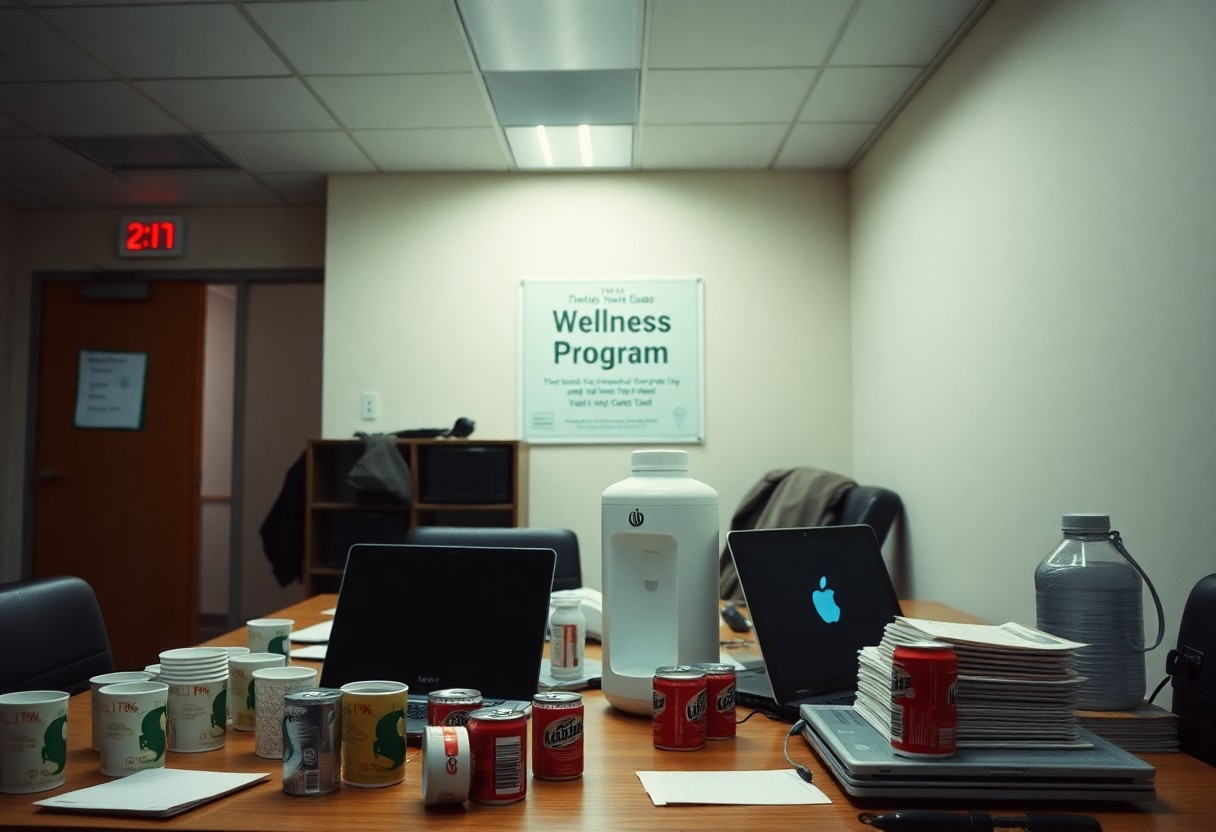
You feel the fatigue, the constant pressure to perform despite dwindling energy, and the growing gap between corporate promises and daily reality. Wellness programs mean little when employees are chronically overworked, expected to thrive on goodwill and meditation apps while basic needs like manageable hours and fair pay go unmet. This isn’t burnout prevention-it’s exploitation dressed as care.
Key Takeaways:
- A mid-sized SaaS firm introduced free yoga and meditation apps, yet employee turnover remained above 30% within two years, revealing that isolated wellness offerings do little to address chronic overwork or inadequate staffing.
- When a hospital system added nap pods and subsidized therapy sessions, clinicians still reported near-universal burnout, underscoring that psychological support cannot compensate for 80-hour workweeks and understaffed shifts.
- One tech startup eliminated performance bonuses for missed targets while expanding mental health coverage, only to see morale decline further, proving that benefits cannot offset job insecurity or unrealistic productivity demands.
The Mirage of Corporate Care
You see the yoga classes, the fruit baskets, the occasional mental health day and believe something has changed. These gestures appear supportive, yet they mask deeper failures to address unsustainable workloads and chronic understaffing. A company offering mindfulness training while expecting 70-hour weeks isn’t healing burnout-it’s reframing exhaustion as a personal failing. The real issue isn’t your resilience; it’s the expectation that you’ll adapt to conditions no wellness app can fix.
The False Economy of Burnout
You save hours by skipping breaks, delay time off, and push through fatigue, but the cost compounds in errors, disengagement, and turnover. Burnout doesn’t boost output-it erodes it, quietly draining focus and creativity until even simple tasks feel insurmountable. A mid-sized SaaS firm saw project delivery times double after two consecutive quarters of mandatory overtime, proving that exhaustion masquerading as dedication backfires. Short-term gains are illusions, undone by long-term decline in performance and trust.
Systemic Flaws in the Workplace
Leaders often mistake wellness for a benefit rather than a foundational requirement, ignoring structural issues that drive exhaustion. You might offer meditation apps while enforcing 70-hour workweeks, creating a contradiction that erodes trust. A 2023 Fast Company article underscores that Wellness isn’t a perk-it’s a leadership imperative, exposing how companies confuse perks with progress. Real change begins not with yoga rooms, but with rethinking power, deadlines, and decision rights.
Redefining Basic Infrastructure
Wellness isn’t an add-on benefit, it’s a foundational element of sustainable work, like electricity or internet access. When your team is constantly running on empty, expecting productivity is like demanding a car run without fuel. Real support means building systems that prevent exhaustion, not just offering yoga classes after hours. Constantly running on empty? Here’s why real wellness is … about structural change, not individual coping.
The Moral Duty of Management
Leadership carries an ethical obligation to protect employee well-being, not exploit it. When teams work excessive hours, experience chronic stress, or face retaliation for setting boundaries, the failure lies at the top. Managers set the tone-through expectations, policies, and daily behavior-on whether people are treated as resources or human beings. A culture that normalizes burnout signals a moral deficit, not operational efficiency. You determine whether your team feels safe, respected, and sustainably productive.
The Illusion of Choice
You’re told you can choose flexibility, yet performance reviews still reward late-night emails and packed calendars. Autonomy is celebrated, but taking full vacation days triggers side-eye from leadership. Wellness programs exist, yet asking for reduced hours after burnout often ends in stalled promotions or quiet exits. The real decision isn’t whether to rest-it’s whether to conform or risk being sidelined.
To wrap up
You expect your team to show up focused, productive, and engaged, yet many arrive already depleted, managing personal strain alongside professional demands. Wellness programs that offer yoga classes or meditation apps do little when the underlying structure demands constant overextension. A mid-sized SaaS firm learned this when voluntary participation in wellness initiatives dropped to 12% despite heavy investment, signaling employee skepticism. Real support means ensuring manageable workloads, predictable schedules, and paid time off that people can actually use without penalty. You are not offering care if the environment negates every benefit. Sustainable performance starts with treating rest and recovery not as optional perks but as non-negotiable components of the job.
FAQ
Q: Why isn’t offering yoga classes or free snacks enough to address employee burnout?
A: Perks like on-site yoga or complimentary snacks do not resolve the core issues driving exhaustion, such as unsustainable workloads, lack of autonomy, or chronic understaffing. A tech startup may provide meditation rooms and fruit baskets, yet still expect 70-hour workweeks during product launches, rendering wellness offerings symbolic rather than substantive. These gestures often serve as distractions, allowing leadership to appear supportive without altering the conditions that deplete employees in the first place.
Q: Can wellness programs actually make employees feel worse?
A: Yes, when wellness initiatives are introduced without addressing structural stressors, they can amplify feelings of guilt or inadequacy. An employee struggling with insomnia due to constant after-hours emails might feel blamed when handed a sleep hygiene pamphlet. A marketing executive at a mid-sized SaaS firm reported feeling “personally defective” after being encouraged to use the company’s mindfulness app, while her manager routinely assigned urgent tasks at midnight. The message, however subtle, becomes that the problem lies in the individual’s resilience, not the environment.
Q: What does a genuinely supportive workplace look like in practice?
A: Real support shows up in enforceable policies and consistent behaviors, not slogans or isolated benefits. One engineering team at a European cooperative implemented a strict no-meetings Friday policy, resulting in a measurable increase in completed project milestones over six months. Another organization replaced open-plan offices with quiet zones and flexible seating, reducing self-reported concentration issues by employees. These changes reflect a shift from performative wellness to operational respect for time, focus, and human limits.
Leave a Reply