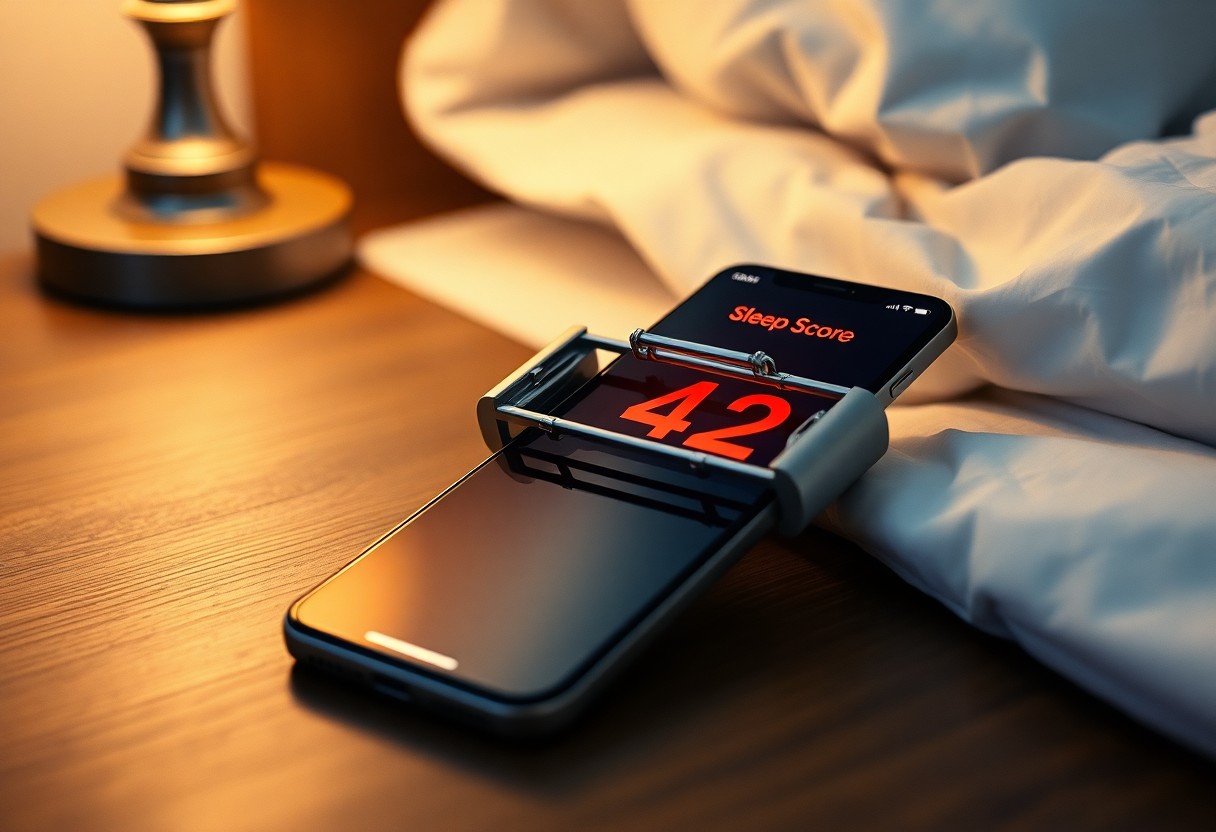
Over 70% of sleep tracker users fixate on their nightly sleep score, but that number can be dangerously misleading. Your device may claim you slept poorly, yet you feel fully rested. Relying solely on algorithms ignores how your body actually recovers. Chasing high scores can increase anxiety and worsen sleep, turning a helpful tool into a hidden stressor.

Key Takeaways:
- Sleep scores from consumer devices often oversimplify complex sleep patterns, giving users a false sense of precision about their sleep health.
- These scores can create anxiety when people fixate on achieving a “perfect” number, leading to behaviors that actually worsen sleep quality.
- Most sleep tracking tools lack clinical validation, meaning the data may not reflect medically accurate sleep stages or diagnose underlying issues.
The Tyranny of the Perfect Eight
You’re not broken because you didn’t hit eight hours. Society’s rigid sleep ideal ignores natural variation, turning rest into a performance metric. When you treat sleep like a test to pass, you invite anxiety that disrupts the very recovery you seek. Chasing a number can do more harm than missing it.
The Quantified Self Paradox
Your tracker says you slept poorly, yet you feel refreshed. This dissonance rewires your trust from body to device. Over time, you start doubting how you feel, believing data over lived experience. The machine becomes the judge, even when it’s wrong.
Why Data Lies to Your Biology
Your watch can’t measure sleep quality the way your brain does. It guesses stages using motion and pulse, not brainwaves. A still body doesn’t mean deep sleep, and a restless night might still be restorative. You’re being graded on flawed assumptions.
What alarms most is how these inaccuracies shape your behavior. If your device reports low deep sleep, you might lie in bed longer, creating conditioned insomnia through unnecessary effort. You begin to fear sleep instead of welcoming it. The numbers, built on algorithms trained on population averages, don’t know your personal rhythm. Yet you adjust your life around them-skipping coffee, canceling plans, obsessing over trends that may reflect sensor error, not physiology. This is the quiet danger: you’re outsourcing self-awareness to a gadget that doesn’t understand you.
Orthosomnia and the Anxiety Engine
You’re not just tracking sleep-you’re obsessing over it. Orthosomnia is the condition where the pursuit of perfect sleep becomes its own enemy. Your device says you slept poorly, so you stress, and that stress keeps you awake. The number on the screen now holds more power than how you actually feel.
The New Performance Anxiety
Sleep used to be invisible, automatic. Now it’s a nightly test you feel you must pass. Your score defines your worth, not your rest. A low number triggers guilt, frustration, even shame-emotions that actively sabotage the very recovery you’re chasing.
When the Tracker Becomes the Taskmaster
Your wearable doesn’t rest, and neither do you. It demands compliance, and you obey-tweaking routines, chasing metrics, lying awake to “fix” your sleep in real time. The device meant to help now controls you, turning rest into a performance you can’t escape.
Every beep, every insight, every colored graph conditions you to respond. You stop trusting your body’s signals because the tracker claims authority. This constant surveillance rewires your relationship with rest, making you anxious when data deviates-even if you feel refreshed. The tool designed to support health now fuels insomnia under the guise of optimization.
The Mechanical Ghost in the Bedroom
You invite it in every night-a sleek device promising better rest through data. But this silent observer doesn’t sleep, and it doesn’t understand. It watches, measures, judges. Its presence alters the very thing it claims to improve, turning rest into performance, peace into points.
Algorithmic Misinterpretations
Sensors detect motion, but can’t grasp context. You shift position during deep thought, not light sleep. The algorithm marks it as disruption. Your body’s natural rhythms get mislabeled as flaws, feeding you false narratives about rest you actually achieved.
The Gap Between Feeling and Feedback
You wake refreshed, energized, ready-yet your app shows a score of 58. That number sticks, overriding your own bodily truth with cold, unfeeling math. You begin to doubt how you feel, trusting the machine more than your own experience.
When your body says you’re rested but your device says otherwise, the conflict erodes self-trust. Over time, you start chasing scores instead of sleep. You adjust habits not for well-being, but for algorithmic approval-dimming lights too early, avoiding natural movements, stressing over data that reflects nothing real.
Reclaiming the Natural Rhythm
Let go of the obsession with perfect sleep scores and trust your body’s innate timing. You don’t need a device to tell you when you’re truly rested. Explore how Why Perfect Sleep Is a Lie and What Actually Works in 2025 reveals the myth behind data-driven rest.
Intuition Over Interfaces
Your body sends clear signals about fatigue and recovery-you’ve been trained to ignore them. Stop relying on glowing screens and start noticing how sunlight, movement, and stillness shape your energy. Real rest begins when you listen, not track.
The Power of Unplugged Rest
True restoration happens when you disconnect completely-no sensors, no feedback loops. Let silence and stillness reset your nervous system. This kind of rest isn’t measurable, but its effects are undeniable.
Unplugged rest goes beyond sleep-it includes moments of quiet reflection, walking without headphones, or lying still with no agenda. These acts reduce mental clutter and lower cortisol, allowing your brain and body to recover in ways no sleep score can capture. You regain balance not by optimizing, but by simply being.

To wrap up
With these considerations, you see how sleep scores can mislead rather than inform. Relying on a single number ignores your body’s unique signals and may push you toward unnecessary fixes. You know your rest better than any algorithm. Trust how you feel over what a device claims, and use technology as a guide-not a verdict.
FAQ
Q: What is the sleep score trap and why does it mislead people?
A: The sleep score trap refers to the misleading sense of control people get from wearable devices that assign a numerical score to their sleep. These scores are often based on limited data like movement and heart rate, not clinical sleep stages measured by EEG. Many users assume a high score means they’re well-rested, but the number doesn’t reflect how they feel during the day or the actual quality of deep or REM sleep. This false confidence can delay someone from seeking help for real sleep disorders like insomnia or sleep apnea.
Q: Can relying on a sleep score worsen sleep anxiety?
A: Yes. When people fixate on hitting a “perfect” sleep score, they may start stressing about their numbers instead of listening to their body. Someone might lie in bed trying to “improve” their sleep efficiency, which increases mental arousal and makes falling asleep harder. This creates a cycle where the device meant to help sleep ends up fueling nighttime anxiety. Over time, the bedroom becomes associated with performance pressure, not rest.
Q: Are sleep scores completely useless, or is there any value in them?
A: Sleep scores aren’t entirely without value, but their usefulness is narrow. They can reveal basic patterns over time, like consistent bedtime delays or frequent nighttime awakenings. For someone curious about general habits, the data might prompt a conversation with a doctor. However, they should never replace professional evaluation. A score can’t diagnose sleep conditions, and treating the number as truth risks ignoring symptoms that matter more-like daytime fatigue, mood changes, or concentration problems.
Leave a Reply