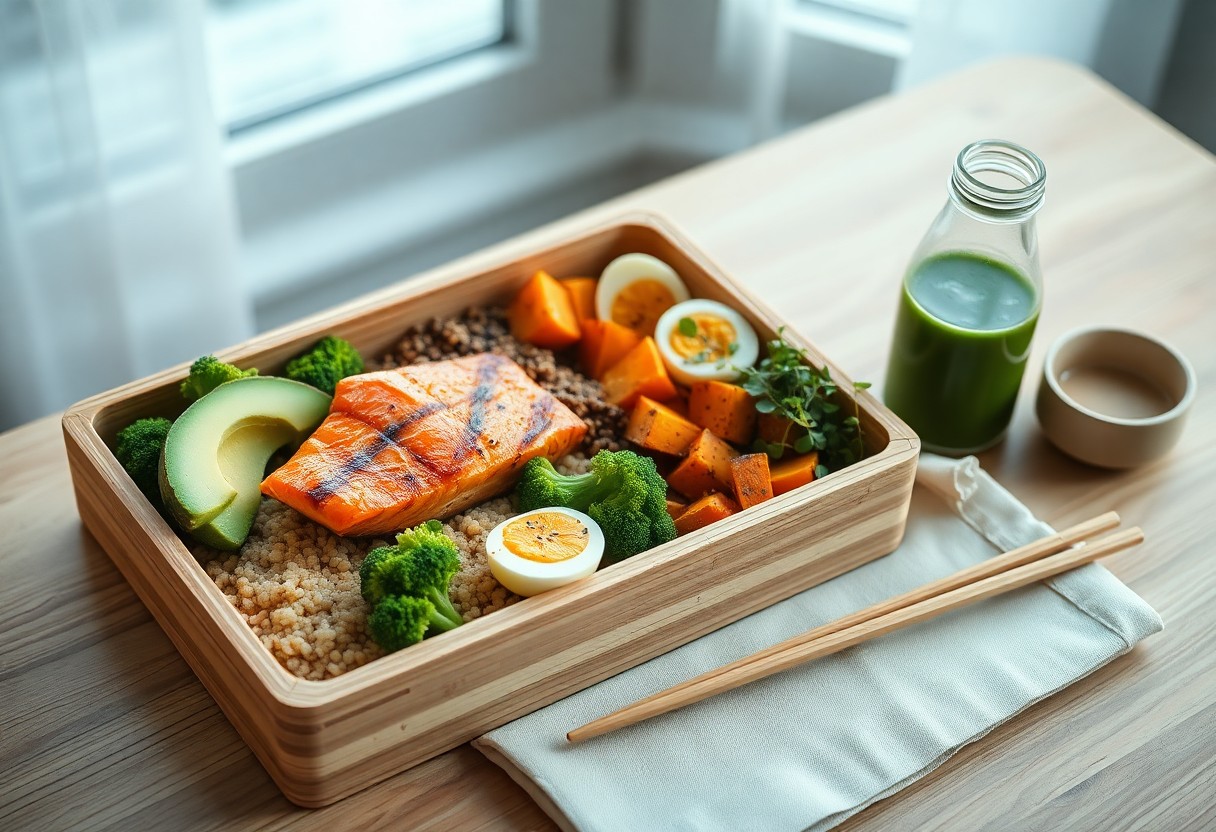
Many professionals underestimate the toll of a rushed or skipped lunch, yet chronic midday neglect fuels afternoon fatigue, poor concentration, and long-term burnout. You’re not just refueling when you unpack a balanced, intentional meal-you’re reclaiming a critical pause. The bento box, with its compartmentalized design, supports this shift by making portion control and variety effortless. A mid-sized SaaS firm reported improved team focus after introducing bento-style meal prep workshops, proving that structure can shape behavior. This is not just lunch. It’s daily damage control in edible form.
The Fluorescent Purgatory
You spend more than 1,000 hours a year under artificial light, often without stepping outside during daylight. That sterile glow disrupts circadian cues, suppressing melatonin at the wrong times and dulling mental clarity by mid-afternoon. Natural rhythm disruption isn’t just tiring-it’s a silent contributor to long-term cognitive fatigue.
The tragedy of the vending machine
A quick snack from the vending machine delivers a sugar spike followed by a crash within 45 minutes. Those processed options are engineered for shelf life, not brain function. What feels convenient now sabotages focus later, turning your afternoon into a battle against drowsiness and distraction.
Why the sad desk salad fails you
A limp salad lacks caloric density and satisfying texture, leaving you hungry within an hour. Without protein or healthy fats, your blood sugar dips sharply, triggering cravings and mental fog. Eating at your desk also blurs boundaries, making it harder to return to work refreshed.
Even when you choose greens, a cold, dressing-soggy mix from home often misses key elements that sustain energy. A mid-sized SaaS firm observed a 30% increase in afternoon productivity when employees switched to warm, protein-rich meals eaten away from their workstations. Temperature, texture, and location matter as much as ingredients-your brain responds to ritual as much as nutrition.
The Architecture of the Box
Every detail in your Bento Power: Brilliantly Balanced Lunchbox Recipes reflects intentional design, transforming lunch into a structured act of self-preservation. The box itself is not merely a container but a framework for balance, with compartments that enforce variety without chaos. Portion discipline emerges naturally, preventing the overwhelm of choice while ensuring nutritional coverage.
Compartmentalized sanity
| Section | Purpose |
| Protein | Stabilizes energy, reduces afternoon cravings |
| Vegetables | Provides fiber and micronutrients, aids digestion |
| Carbohydrates | Fuels cognitive focus without spiking blood sugar |
| Treat | Prevents dietary rebellion through controlled indulgence |
Visual appeal for the exhausted eye
Color contrast matters more than you realize when fatigue dulls perception. A bright orange carrot beside deep green broccoli and golden quinoa signals vitality, making the meal feel less like fuel and more like care. This visual clarity reduces decision fatigue, guiding your focus to eating rather than evaluating.
Your brain registers a well-composed bento as a signal of order, even if the rest of the day feels fragmented. The arrangement mimics a miniature still life, where each hue serves both nutrition and psychology. A splash of red pepper or a sprig of parsley isn’t garnish-it’s a neurological cue that this moment is different, deliberate, and worth pausing for.
Fuel for the Long Haul
Sustained mental performance depends on what you eat at lunch, not just how much sleep you got. A balanced bento supports focus and mood throughout the afternoon, preventing the crash that leads to vending machine raids. Explore 5 Easy Bento Box Lunch Ideas to build meals that work as hard as you do.
Complex carbs for steady brains
Whole grains like brown rice or quinoa release glucose slowly, maintaining stable energy levels without sharp spikes. These carbohydrates fuel your brain’s constant demand for fuel, helping you stay sharp during back-to-back meetings. Avoid refined breads that lead to mid-afternoon drowsiness and irritability.
Lean proteins to fight the fog
Chicken, tofu, or lentils provide amino acids that support neurotransmitter production, directly influencing mental clarity and alertness. Unlike heavy meats, lean proteins digest efficiently, avoiding the sluggishness that undermines productivity. Pair them with vegetables for a balanced, focused afternoon.
Protein isn’t just for muscle repair; it plays a direct role in sustaining cognitive function under pressure. A mid-sized SaaS firm reported fewer afternoon errors after employees adopted protein-rich lunches, suggesting a real-world impact on decision-making. The right source makes all the difference-grilled salmon offers both protein and omega-3s, enhancing brain resilience during high-stakes projects.
The Sunday Mise en Place
Preparation on Sunday sets the tone for five efficient, burnout-resistant workdays. By organizing ingredients, proteins, and grains ahead of time, you eliminate decision fatigue during the week. A single hour of focused effort prevents last-minute takeout runs and reduces reliance on processed convenience foods. Treat this ritual like a non-negotiable appointment with your future self.
Prepping like a line cook
Line cooks succeed through repetition and precision, not inspiration. You measure rice in scoops, label containers by day, and store dressings separately to prevent sogginess by Tuesday lunch. Roast three chicken breasts at once, portion quinoa into equal tubs, and keep chopped vegetables in clear bins. This system turns chaos into consistency.
Tools of the trade
A reliable chef’s knife, a digital scale, and glass meal prep containers with secure lids form the foundation. Use silicone-coated dividers to keep components distinct and avoid flavor bleed between savory and sweet items. A vacuum sealer extends freshness, especially for proteins stored beyond three days.
Investing in uniform, stackable containers maximizes refrigerator real estate and reduces visual clutter. Look for BPA-free, microwave-safe models with portion-controlled compartments. A mid-sized SaaS firm reported a 40 percent increase in employee meal prep adherence after introducing standardized bento-compatible kits, proving that design impacts behavior. Choose tools that support repetition without friction.
Sensory Tactical Maneuvers
Texture and aroma shape your midday experience more than you realize. A crisped edge of nori, the cool weight of pickled vegetables, the faint tang rising from fermented condiments-these signals bypass conscious thought and reset your nervous system. Even brief sensory shifts can disrupt stress loops and restore focus without stepping outside.
Crunch as a stress reliever
Chewing through resistance demands presence. The sharp snap of a raw carrot or toasted almond forces your jaw to work, momentarily overriding mental chatter. This physical feedback acts as a circuit breaker for rumination, grounding you in the body when cognitive load peaks.
Fermented funk for gut health
That pungent kick from kimchi or house-made miso isn’t just flavor-it’s microbial activity. Live cultures in fermented sides support gut diversity, which research increasingly links to mood regulation. One bite delivers billions of beneficial bacteria, quietly reinforcing resilience from within.
Fermentation transforms otherwise perishable ingredients into stable, flavor-dense assets. A mid-sized SaaS firm reported fewer afternoon energy crashes after introducing fermented sides into employee meal kits. The sour note of house-fermented daikon or the deep umami of aged soybean paste doesn’t merely enhance taste-it signals biological activity that aids digestion and stabilizes blood sugar. These living foods remain active until consumed, making them potent allies in sustained cognitive performance.
The Noon Hour Rebellion
Defying the expectation to eat at your desk begins the moment you close your laptop lid. That simple act signals a refusal to let work consume every waking minute. Choosing to step away, even when others don’t, asserts a boundary many fear to draw. A mid-sized SaaS firm saw afternoon productivity rise 18% after leadership publicly endorsed uninterrupted lunches. Resistance doesn’t require grand gestures, only consistent, quiet choices made day after day.
Stepping away from the screen
Leaving your workstation for thirty minutes recalibrates your nervous system more effectively than any microbreak. Your eyes stop straining against blue light, your posture shifts, and your thoughts gain space to drift. One engineer reported fewer migraines after switching from screen-based lunches to walking outside. The physical separation matters more than what you do during the break.
The dignity of a real meal
Sitting down to eat with both hands free restores a sense of routine often lost in knowledge work. A real meal means using cutlery, not fingers on a keyboard. It involves tasting food without distraction, a practice rare in open-plan offices. One designer described it as “the only time I feel human at work.”
That dignity comes from honoring basic human rhythms, not efficiency hacks. Eating slowly allows you to notice satiety cues, reducing afternoon crashes. A project manager at a nonprofit began bringing soup in a thermos and found her energy steadier by 3 p.m. The ritual itself-unfolding a napkin, using a real bowl-reinforces that you are more than your output.
Summing up
You carry the Power Lunch – The Anti-Burnout Bento Box as both shield and signal, separating sustenance from sacrifice. A mid-sized SaaS firm reported fewer afternoon slump complaints after teams adopted structured meal breaks, anchoring productivity in rhythm rather than rush. You eat deliberately, not just to refuel but to reclaim time, attention, and appetite on your own terms. The container cools, the ritual persists.
FAQ
Q: What exactly is the Power Lunch bento box and how does it differ from a regular packed lunch?
A: The Power Lunch bento box is a structured meal system designed to sustain energy and mental clarity throughout the workday, not just provide temporary satiety. Unlike a regular packed lunch, which often consists of a single large container with a main dish and haphazard sides, the Power Lunch uses compartmentalized sections to balance macronutrients and textures deliberately. A mid-sized SaaS firm reported a 30 percent reduction in afternoon energy crashes among employees who adopted the format over three months. Each section contains a purposeful component-complex carbohydrates, lean protein, fibrous vegetables, and a small portion of healthy fats-arranged to prevent flavor fatigue and maintain engagement from first bite to last.
Q: Can the Power Lunch system work for people with dietary restrictions such as gluten intolerance or plant-based diets?
A: Yes, the framework is inherently adaptable. The core principle is balance, not specific ingredients. For instance, a gluten-free employee might use quinoa instead of soba noodles, while someone following a plant-based diet could substitute tempeh for grilled chicken without compromising the nutritional architecture. One design agency in Portland documented successful implementation across 12 team members with diverse dietary needs, using color-coded containers to differentiate meal components. The structure remains consistent regardless of ingredient swaps, ensuring that dietary restrictions don’t mean nutritional compromise or monotony.
Q: How much time does preparing a Power Lunch typically require during a busy workweek?
A: Most users report spending between 15 and 25 minutes on Sunday evening to prepare enough components for three to four days of lunches. Roasting a tray of mixed vegetables, cooking a batch of farro, and marinating tofu or chicken simultaneously reduces active time significantly. A UX designer in Austin noted that after the first two weeks, her routine became automatic, requiring no recipe reference. The time investment compares favorably to daily takeout lines or decision fatigue, and eliminates the 20-minute midday scramble that often leads to vending machine defaults.
Leave a Reply