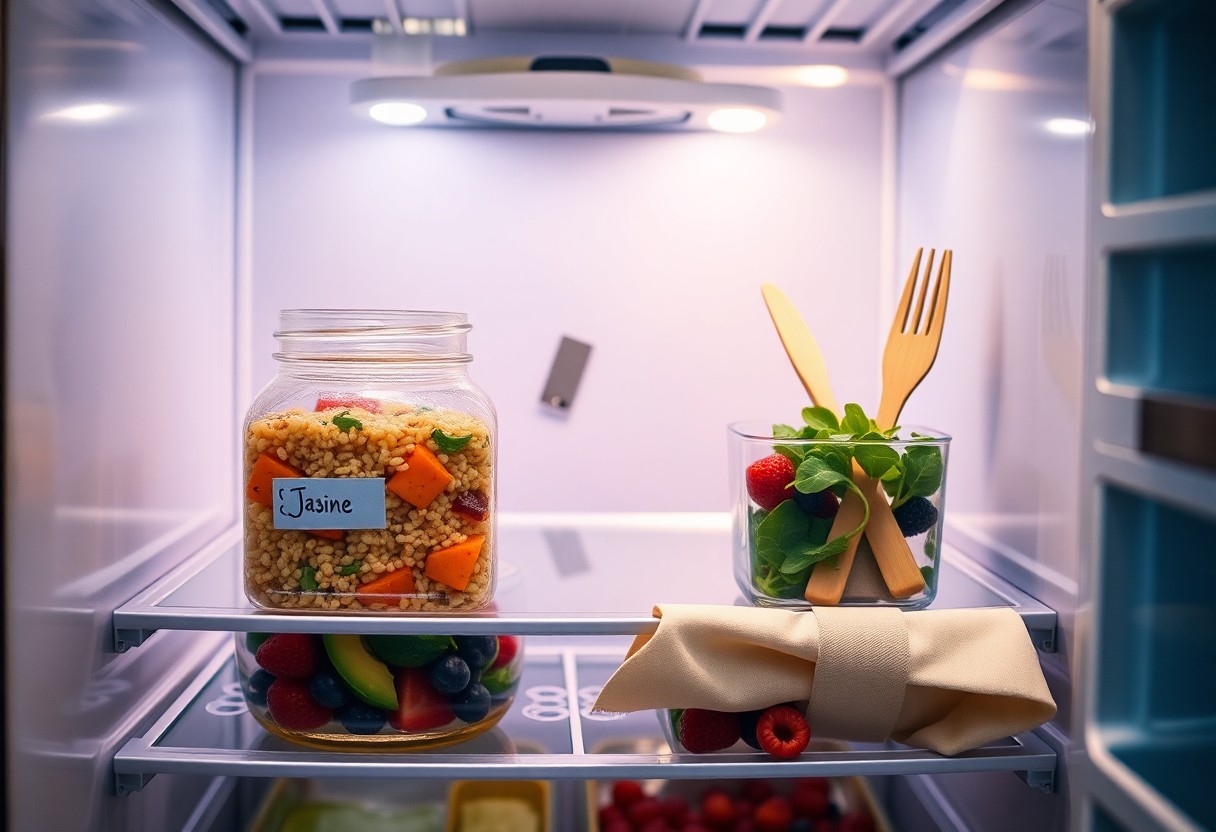
It’s possible to avoid the wilted greens and lukewarm pasta that define the typical office lunch. You can bring a meal that survives the fridge and still tastes fresh, satisfying, and far from depressing. With the right ingredients and a clear strategy, your midday meal becomes a genuine highlight of the workday, not a chore to endure. You don’t need a gourmet kitchen-just smart planning and a few key principles.
Key Takeaways:
- A meal that holds up in the office fridge starts with ingredients that resist sogginess and separation, such as roasted vegetables, hearty grains like farro or barley, and proteins like chickpeas or grilled chicken that retain texture after refrigeration.
- Strategic layering in a jar or container-dressing at the bottom, followed by grains, proteins, and delicate greens on top-keeps components intact and prevents the common issue of a limp, oil-slicked salad by noon.
- One mid-sized SaaS firm reported a noticeable shift in lunchtime morale after introducing a monthly meal prep workshop, with employees citing reduced afternoon fatigue and fewer midday vending machine runs.
The Sad Desk Salad Syndrome
You’ve seen it before, a wilted container of limp greens with stray cherry tomato halves clinging to the sides, abandoned by 2 p.m. The problem isn’t just the ingredients, it’s the expectation that cold, raw vegetables alone can sustain both energy and morale. When your lunchbox becomes a symbol of resignation rather than refreshment, you’re not just losing flavor, you’re losing the daily rhythm of satisfaction that fuels better focus and stamina. A mid-sized SaaS firm reported fewer afternoon slump complaints after introducing heartier, cooked alternatives in their team’s meal prep sessions.
The Anatomy of a Fridge Hero
Structure and Texture
Your meal thrives on contrast. A successful fridge hero balances crisp vegetables, tender grains, and a protein that holds its shape after hours in cold storage. Think roasted sweet potatoes, chickpeas, and shredded kale in a lemon-tahini dressing that coats but doesn’t soak. The dressing settles at the bottom, preserving texture until you mix it in just before eating.
Flavor That Lasts
Acidity and fat carry flavor through refrigeration. A splash of vinegar or citrus juice prevents dullness, while olive oil or avocado protects ingredients from drying out. Herbs like cilantro or dill stay vibrant when added fresh at the end of prep, not mixed in days ahead. A mid-sized SaaS firm’s wellness program found employees ate more greens when meals included bright, oil-based dressings packed in separate vials.
Portion and Packing
Use divided containers to keep components separate until consumption. A leak-proof compartment for dressing and a firm lid prevent sogginess. Glass containers with silicone seals maintain temperature better and resist staining from turmeric or tomato sauce. Stackability matters if you’re sharing fridge space with coworkers’ sad yogurt cups.
Prep Like a Pro
Efficiency begins with a clear plan and the right containers-invest in glass meal prep boxes with tight seals to prevent leaks and odor transfer. Batch-cook grains and proteins on Sunday, then portion them into meals that combine color, texture, and flavor variety. Chopping vegetables in uniform sizes ensures even marination and crispness, while dressing goes in a separate small container to be added just before eating. A mid-sized SaaS firm’s employee survey revealed that those who prepped meals with distinct components reported higher satisfaction and energy levels by midweek.
Reheating Without Shame
You avoid the microwave line not out of habit but strategy, timing your reheat just before peak rush. A damp paper towel over your container keeps rice from drying out, while a quick stir halfway through ensures even warmth. Never skip the vented lid-trapped steam turns crisp edges to mush. For soups and stews, a 90-second burst followed by a 30-second rest preserves texture. You leave the spoon in the bowl, not for convenience, but because metal heats faster than food and helps distribute warmth. Your meal exits steaming, not scalding, ready to taste like dinner, not defeat.
To wrap up
You pack your lunch with care, avoiding the wilted greens and lukewarm pasta that define the sad desk salad. A well-built fridge meal holds up over hours, tastes as intended at noon, and doesn’t draw pitying glances from coworkers. You’ve learned how structure, smart ingredients, and reheating precision turn office fare into something genuinely satisfying. A mid-sized SaaS firm’s team noted fewer afternoon energy crashes after switching to balanced, protein-forward lunch prep. Your lunch break is no longer an afterthought-it’s fuel designed to perform.
FAQ
Q: How can I keep my Power Lunch from getting soggy during the week?
A: Structure is key when building a meal that lasts in the fridge. Start with hearty ingredients like roasted sweet potatoes or chickpeas at the bottom of the container, followed by proteins such as grilled chicken or tofu. Add grains like farro or quinoa next, then finish with delicate greens on top. A small container of dressing on the side prevents saturation. One marketing team at a mid-sized SaaS firm reported their Friday lunches stayed fresh-tasting because they used mason jars with dressing at the bottom and greens at the top, a method that kept ingredients crisp until day five.
Q: Can a Power Lunch really stay safe and flavorful for five days?
A: Yes, provided you follow safe storage practices and choose ingredients wisely. Cooked grains and proteins hold up well for up to five days when stored below 40°F. Acidic components like lemon juice or vinegar in dressings help preserve freshness. A project manager in Toronto packs her Power Lunches on Sunday nights and uses airtight glass containers with silicone seals, noting that her lentil and kale bowls taste nearly identical on Friday as they did on Monday. Avoid raw seafood or soft herbs if planning beyond three days.
Q: What are some high-energy ingredients that won’t wilt or separate?
A: Roasted vegetables such as bell peppers, zucchini, and beets maintain texture and color. Hard-boiled eggs, shredded Brussels sprouts, and marinated artichoke hearts hold up well over time. One designer in Portland swears by adding a quarter of an avocado just before eating to maintain creaminess without browning. Beans and lentils absorb flavors and remain firm, making them ideal for repeated exposure to dressings. These ingredients ensure your lunch remains visually appealing and satisfying from day one to five.
Leave a Reply