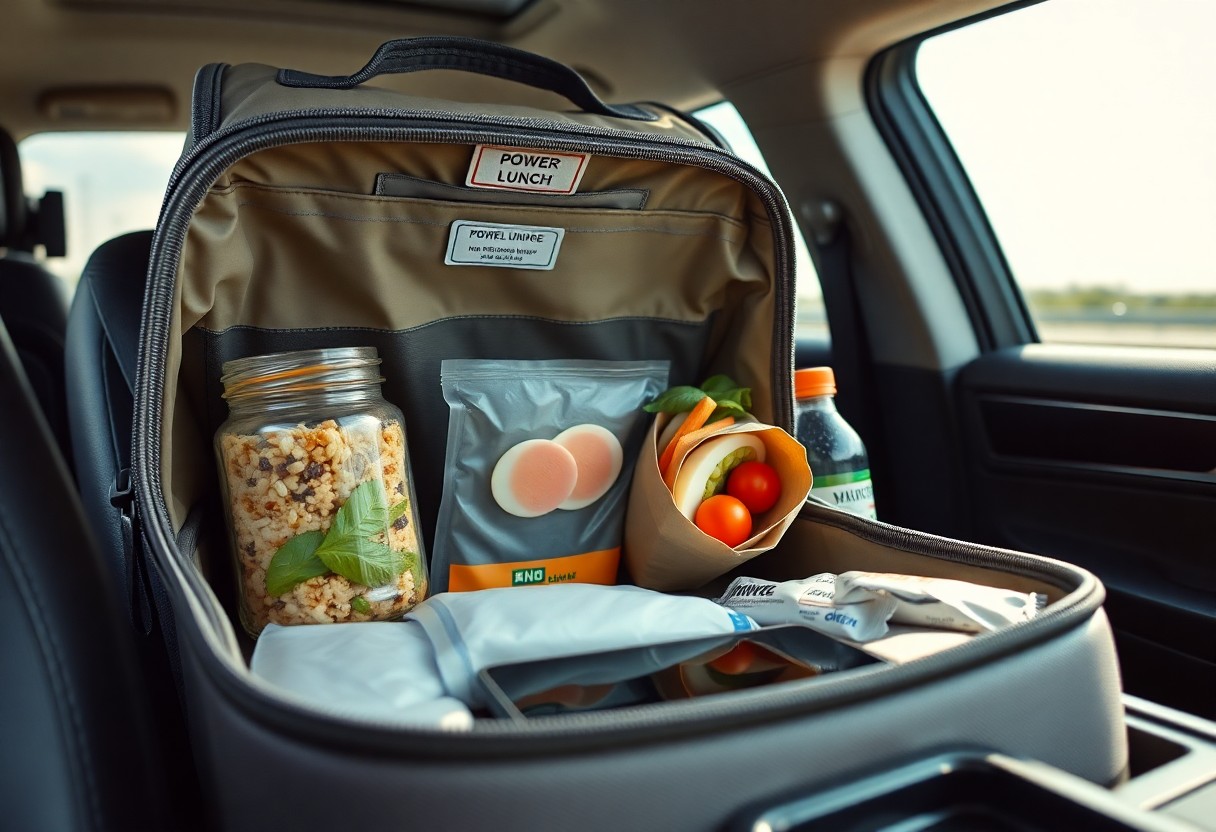
Just because you’re driving between meetings doesn’t mean you need to settle for a limp sandwich or a greasy takeout container. A well-constructed no-microwave lunch keeps you sharp, fueled, and off the fast-food line. You rely on meals that survive the commute without spoiling, leaking, or turning into a mushy compromise. Temperature stability and structural integrity aren’t luxuries-they’re requirements when your car seat doubles as a boardroom. With the right strategy, your lunch stays as professional as your presentation.
Key Takeaways:
- A well-packed no-microwave lunch saves time and maintains food quality, especially for professionals spending hours in transit between meetings or job sites, such as a regional sales representative covering multiple states weekly.
- Insulated containers paired with pre-chilled ingredients can keep perishable items like grilled chicken or quinoa salad fresh for up to six hours without refrigeration.
- Meals built in mason jars or stackable bento-style containers minimize mess and maximize ease of access, allowing drivers to eat safely during short rest stops without needing utensils or a flat surface.
The Dashboard Diner’s Creed
You commit to eating well without relying on convenience traps, refusing to let motion compromise meal quality. Temperature-controlled containers replace microwaved meals, and structured prep prevents haphazard snacking. Your glove compartment holds spice blends, not fast-food wrappers. Every journey includes a deliberate pause for real food, even if eaten with one hand on the wheel. This discipline turns transit time into nourishment time, not a dietary detour.
Cold Steel and Insulation
Thermal Protection
Stainless steel containers resist dents and retain temperature far longer than plastic alternatives, making them ideal for extended drives. Your food stays safe when packed in a vacuum-insulated lunchbox, especially during summer heatwaves where interior cabin temperatures can exceed 140°F. A single compromised seal can invite spoilage, so inspect gaskets monthly. Pair your container with a rigid outer sleeve to prevent crushing from stacked luggage or gym gear.
Charcuterie Behind the Wheel
Assemble a compact charcuterie on the go using shelf-stable cured meats, vacuum-sealed cheeses, and single-serve nut packs that won’t spoil during transit. Never leave perishable items unrefrigerated for more than two hours, especially in warm climates. Pair with whole-grain crackers and dried fruit for balanced energy. For more ideas, see this discussion on What are no-microwave lunch ideas for outdoor workers? to adapt solutions for mobile professionals.
Mason Jar Alchemy
Mason Jar Alchemy
Stack ingredients in precise layers to create meals that hold structure during transit, starting with dressing at the bottom to prevent sogginess. Acidic components like vinegar or citrus juice preserve freshness while doubling as natural preservatives. Add hearty vegetables such as carrots or cucumbers just above the liquid layer to absorb flavor without turning limp. A mid-sized SaaS firm’s remote team reported fewer midday crashes after switching to jarred grain bowls with olive oil and lemon dressing packed separately. Seal tightly and store upright in a padded lunch bag to avoid leaks during highway acceleration.
The Art of the Roadside Spread
Setting the Scene, No Table Required
Balance your container on the passenger seat and unfold a small cloth napkin across your lap, transforming the car into a private dining compartment. Highways are no place for loose lids or slippery plates, so secure every element before starting your meal. A mason jar of grain salad, a wrapped piece of smoked salmon, and a compact apple from your bag become a deliberate, satisfying ensemble when treated with intention. Even at rest stops, eating with both hands free from cleanup duties preserves dignity and efficiency. One mid-sized SaaS firm’s sales director swears by a foldable bamboo tray clipped to the steering wheel, proving that stability trumps elegance every time.
Final Words
Power Lunch redefines efficiency by eliminating the microwave and embracing portable, no-cook meals that maintain quality under real-world conditions. You rely on insulated containers, vacuum-sealed proteins, and compartmentalized jars to keep flavors intact and textures crisp during transit. A mid-sized SaaS firm’s sales team, for example, adopted this approach for regional client visits, reporting fewer food-related delays and improved afternoon focus. Your consistency in preparation directly shapes your performance in the field.
FAQ
Q: How can I keep my food cold during long drives without a refrigerator or microwave?
A: A high-quality vacuum-insulated container, such as those made by brands like Hydro Flask or Thermos, can maintain cold temperatures for up to 24 hours when pre-chilled and paired with a frozen gel pack. Packing the container the night before and storing it in the freezer until departure maximizes thermal retention. One logistics manager driving weekly between Denver and Salt Lake City reported consistent success keeping smoked salmon and Greek yogurt below 40°F (4°C) over 12-hour stretches using this method. Position the container in the passenger footwell or under a seat, away from direct sunlight and HVAC vents, to minimize temperature fluctuations.
Q: Are mason jar meals prone to leaking during transit?
A: When properly assembled and sealed, mason jars are remarkably secure for transport. Use wide-mouth pint or quart jars with new, high-grade rubber seals and screw bands tightened fingertip-tight after cooling. Layer dense ingredients like beans or grains at the bottom, followed by dressings in the center, and delicate greens on top. A field test by a traveling nutrition consultant showed zero leakage across 18 jars over a 900-mile route when packed upright in a rigid-sided lunch tote. Avoid overfilling-leave at least half an inch of headspace to prevent pressure buildup.
Q: What are some protein-rich, no-cook lunch options that don’t require refrigeration for several hours?
A: Canned wild salmon, vacuum-packed tuna pouches, and shelf-stable chicken salad cups provide complete protein without cold storage for limited durations. Pair with whole-grain crackers, olives, and vacuum-sealed nut packs for balanced sustenance. A commercial trucker based in Texas relies on single-serve packets of almond butter with apple slices and whole wheat tortillas, noting the combination sustains energy through 10-hour hauls. These items remain safe for consumption for up to six hours at ambient temperatures when kept in shaded, insulated bags.
Leave a Reply