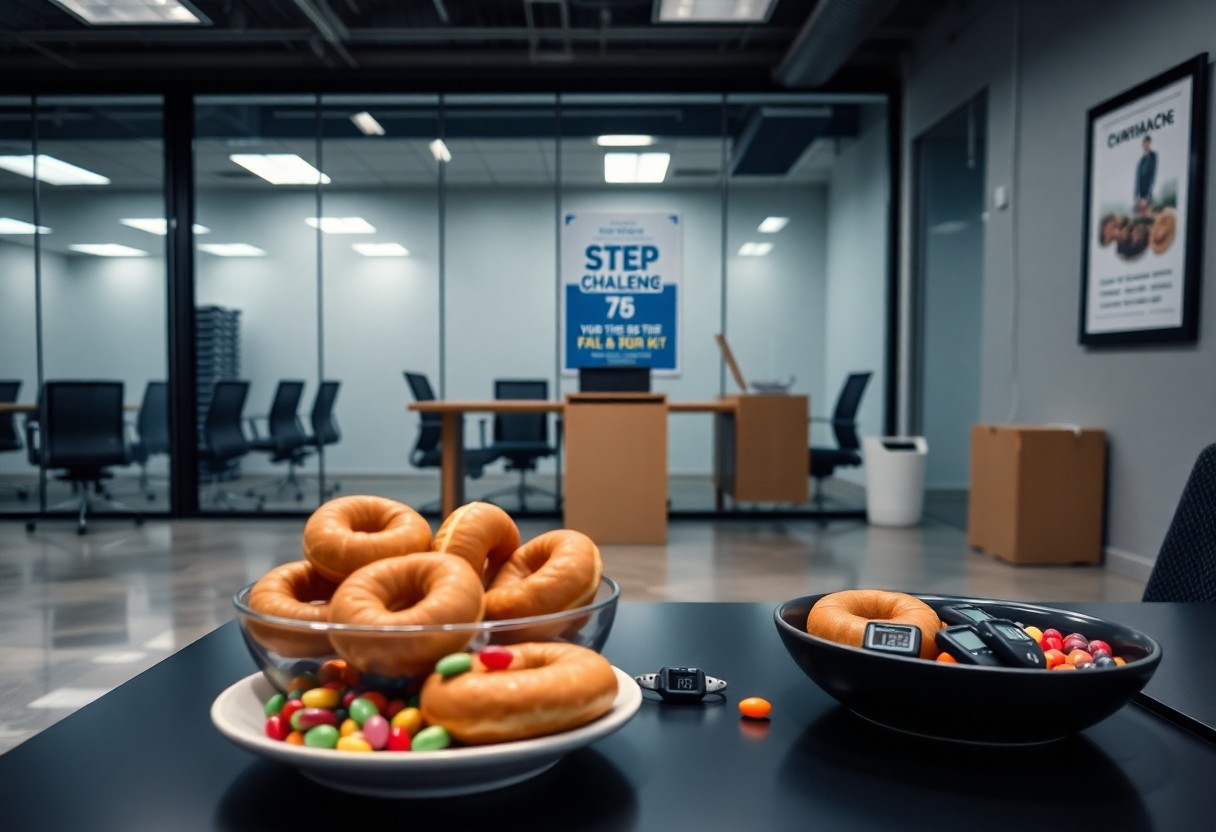
You might think free snacks and step challenges define a healthy workplace, but real well-being runs deeper than perks. Ignoring mental load, burnout, and inequitable workloads undermines employee health far more than skipped workouts. Sustainable health comes from trust, fair expectations, and psychological safety-not treadmills or granola bars.
Key Takeaways:
- A healthy workplace goes beyond surface-level perks like snacks and fitness challenges; real well-being comes from fair pay, manageable workloads, and psychological safety.
- Employees thrive when they have control over their time, clear expectations, and supportive leadership-not just access to wellness apps or step-count competitions.
- Sustainable workplace health is built on trust, respect, and inclusive practices, not gimmicks that shift responsibility for well-being onto individuals.
The Illusion of the Fruit Bowl
Placing a fruit bowl in the break room feels like progress, but it’s a symbol more than a solution. You’re led to believe wellness begins with nutrition, yet no amount of apples can offset chronic overwork. This gesture masks deeper failures-poor boundaries, unrealistic deadlines, and emotional exhaustion-making you complicit in mistaking snacks for support.
Sugarcoating systemic stress
Offering smoothies during crunch time sends a dangerous message: your well-being can be appeased with food while demands keep rising. You’re being conditioned to accept burnout as normal, so long as it comes with a side of kale. This isn’t care-it’s manipulation disguised as mindfulness.
The gym membership as a distraction
Your employer pays for your gym access, but rarely for your recovery. The membership shifts responsibility to you, implying that stress is a personal shortcoming, not an organizational one. It’s easier to fund treadmills than to fix toxic workflows.
Having a gym membership won’t reduce your 65-hour workweek or the constant after-hours emails. Employers promote fitness perks because they’re visible and cheap, while staying silent on workload, autonomy, or psychological safety. You’re expected to exercise away stress they created-a convenient deflection from real accountability.
The Tyranny of the Step Challenge
You’ve likely been nudged-sometimes pressured-into joining a workplace step challenge, where pedometer counts become a proxy for wellness. These programs frame health as a public performance, rewarding those who can participate while ignoring those managing chronic conditions, long commutes, or caregiving duties. Movement matters, but not when it’s weaponized.
Tracking movement while ignoring burnout
Numbers on a screen rarely reflect how exhausted you feel by noon. When employers celebrate 10,000 steps but overlook 60-hour workweeks, they signal that physical activity matters more than mental resilience. You’re being watched for movement, not listened to for meaning-turning wellness into surveillance, not support.
Mandatory fun and its discontents
Forced laughter during team trivia or compulsory happy hours doesn’t build connection-it exposes a culture that confuses compliance with camaraderie. Mandatory fun erodes trust, making you feel like your presence is a performance, not a choice. Joy can’t be scheduled or demanded and still remain genuine.
When leadership schedules “fun” as a mandatory event, it reveals a deeper issue: a lack of authentic engagement in daily work life. You’re expected to bond on command, yet your workload, feedback, and emotional well-being go unaddressed. These events highlight disconnection by pretending it doesn’t exist, turning potential moments of relief into sources of quiet resentment. Real connection grows from respect, not agendas.
The Structural Foundation of Well-being
You build lasting well-being not through perks, but through systems that respect human needs. True health emerges when policies protect time, trust, and dignity-not when snacks mask burnout or step counts replace rest. Your workplace thrives when structure serves people, not performance metrics disguised as care.
Autonomy over the ticking clock
Time pressure erodes focus and fuels fatigue. When you control your schedule, you reclaim agency over energy and attention. Flexibility isn’t a perk-it’s a prerequisite for sustainable performance. Letting go of rigid hours signals trust, reducing stress more effectively than any wellness app.
Psychological safety in the ranks
Mistakes happen in every team, but your response defines the culture. When speaking up carries no fear of blame, innovation and honesty take root. Silence is costly; psychological safety turns risk into resilience.
Imagine raising a concern about a flawed project plan. In a psychologically unsafe environment, you stay quiet-the real danger isn’t the flaw, but the culture of silence that lets it grow. When leaders respond with curiosity instead of defensiveness, they signal that input is valued over hierarchy. This isn’t about comfort; it’s about creating conditions where problems surface early, accountability stays constructive, and people feel seen. Safety isn’t soft-it’s the bedrock of high-functioning teams.
The Cost of Empty Gestures
Throwing snacks at stress or launching a The Power of a Simple Steps Challenge for Workplace … won’t fix systemic burnout-you already know that. These gestures feel good in the moment but do nothing to address workload, autonomy, or respect.
Erosion of trust in leadership
When wellness feels like a performance, you start questioning every initiative. Leaders who prioritize optics over real change lose credibility fast. You notice the gap between words and action, and trust quietly dissolves.
High turnover behind the ping-pong table
You see it happen-people leave despite the perks. Free lunches and games rooms don’t stop burnout. Turnover stays high because no one quits their job for lack of snacks-they quit when they feel unseen and overworked.
That trendy office lounge with the neon lights and foosball table? It’s often a distraction from deeper issues. People aren’t staying for gimmicks-they leave when their workload is unsustainable and their feedback is ignored. Perks don’t retain talent; respect and balance do.
Reclaiming the Human Element
True workplace well-being begins when organizations stop treating employees like machines needing optimization. You thrive not through gamified rewards or ping-pong tables, but through respect, autonomy, and genuine connection. When companies prioritize human needs over performance metrics, they create environments where people feel seen, valued, and psychologically safe-conditions no snack bar can replicate.
Prioritizing workload over wellness apps
You can’t meditate your way out of an unsustainable workload. No app will reduce burnout if you’re expected to answer emails at midnight or attend back-to-back meetings. Wellness initiatives fail when they mask overwork instead of addressing it. Real support means rethinking deadlines, staffing, and expectations-not just offering mindfulness subscriptions.
Leadership that listens instead of lectures
You know your limits and your potential better than any manager’s spreadsheet. Leaders who ask for input and act on it build trust far more effectively than those who dictate wellness from the top down. Listening isn’t passive-it’s the active choice to let employee voices shape policy, workload, and culture.
When leaders listen, they don’t just hear complaints-they uncover systemic issues hiding beneath surface-level stress. You’re more likely to stay engaged when your manager responds to feedback with change, not scripts. This kind of leadership builds loyalty, reduces turnover, and signals that you are more than a productivity unit. It transforms workplaces from transactional environments into communities where people feel safe to speak up, slow down, or ask for help-without fear.
To wrap up
Following this, you recognize that a healthy workplace goes beyond free snacks and step counts. Real well-being comes from fair workloads, psychological safety, and consistent support. You build trust not with perks, but through respect, clear communication, and leadership that listens. Sustainable health at work is cultural, not transactional.
FAQ
Q: Why aren’t snacks and step challenges enough to create a healthy workplace?
A: Free snacks and step challenges focus on surface-level habits without addressing deeper workplace issues. A truly healthy environment requires fair workloads, manageable stress, and psychological safety. When employees face burnout from long hours or feel unable to speak up, fruit bowls or pedometer contests won’t fix the root problems. Real health comes from structural support, not perks that distract from systemic flaws.
Q: What does a genuinely healthy workplace look like?
A: A healthy workplace respects time, mental well-being, and autonomy. People have clear expectations, access to mental health resources, and the ability to take breaks without guilt. Managers listen and respond to concerns. Work is distributed fairly, and employees feel secure in their roles. These conditions foster sustained well-being far more than isolated wellness activities ever could.
Q: Can wellness programs ever be helpful, or should they be eliminated?
A: Wellness programs can play a small role when they’re optional and part of a broader commitment to employee care. The problem arises when companies use them as a substitute for fair pay, reasonable hours, or inclusive leadership. If workers are stressed from understaffing or fear retaliation for speaking up, a yoga class won’t help. Supportive policies and respectful culture matter more than any perk.
Leave a Reply