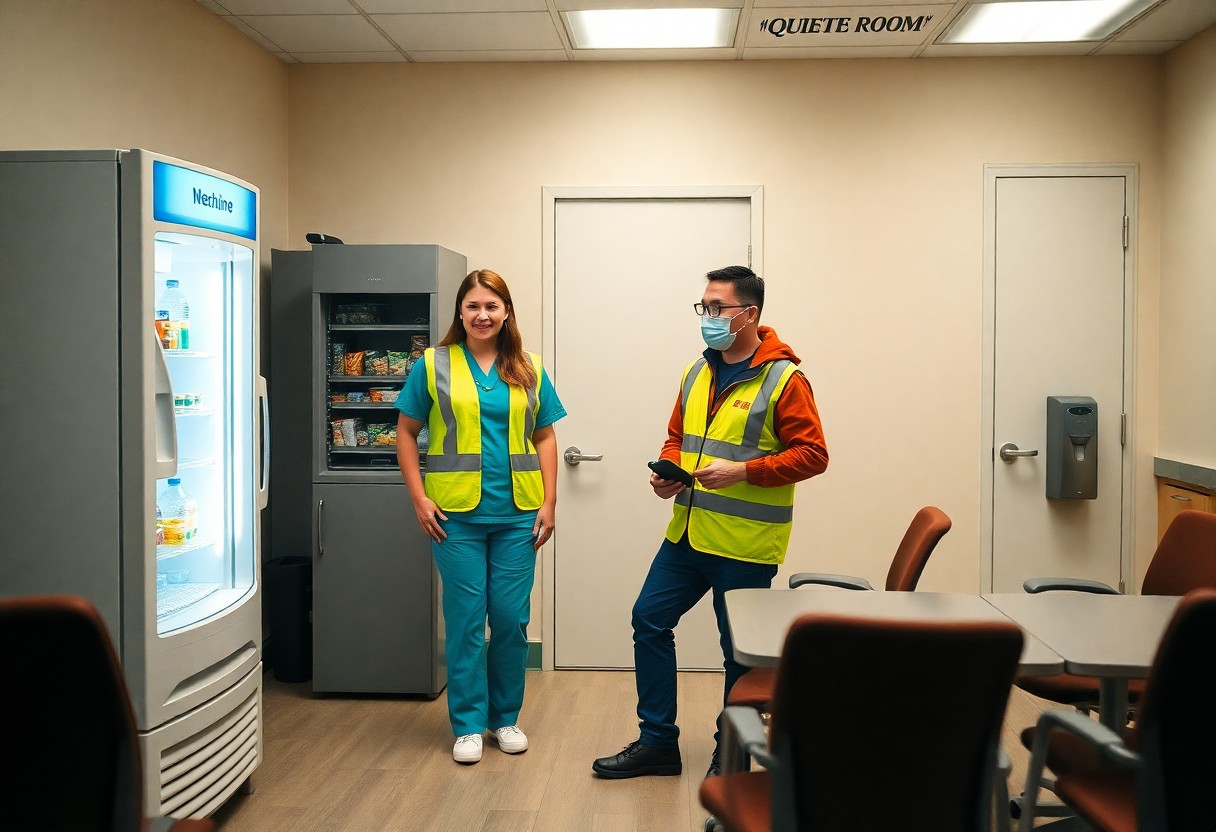
The Weight of the Shift
Every shift you work carries physical strain and emotional pressure that accumulates silently over time. Standing for hours, managing urgent demands, and absorbing others’ stress takes a measurable toll on your well-being. You’re expected to stay alert and compassionate, even when exhaustion sets in. This constant output without recovery risks burnout and long-term health issues. Your resilience is impressive-but it’s not limitless.
Key Takeaways:
- Frontline workers benefit most from wellness initiatives that are built into daily routines, such as short guided breathing breaks, access to quiet rest areas, and team check-ins that encourage open conversation about stress and workload.
- Managers play a direct role in employee well-being by modeling healthy behaviors, recognizing effort consistently, and adjusting schedules when possible to prevent burnout during high-pressure periods.
- Simple, low-cost solutions-like providing healthy snacks, offering flexible shift swaps, or posting gratitude notes-can have a meaningful impact on morale and mental resilience over time.
The Need for Clean Spaces
You face daily exposure to germs, contaminants, and high-touch surfaces simply by doing your job. Clean workspaces directly reduce illness transmission and protect both you and the people you serve. A consistently sanitized environment isn’t a luxury-it’s a basic safety requirement. When surfaces, tools, and break areas are routinely cleaned, your risk of infection drops significantly, allowing you to focus on your responsibilities with greater peace of mind.
Time Away from the Line
You need real breaks, not just scheduled pauses. Stepping away from your workstation-even for ten minutes-can prevent burnout and reduce injury risk. Use this time to stretch, breathe deeply, or simply sit in silence. Employers who protect break time see higher focus and morale. Your well-being isn’t a luxury; it’s part of the job.
Leading with Truth
You build trust when you acknowledge the real challenges your frontline teams face every day. Denying stress or burnout only deepens the harm, while honest conversations open doors to healing. Share data, listen without deflection, and act on feedback. Explore 7 ways to improve employee mental health on the frontlines to strengthen your approach with actionable insights.
The Bond of the Crew
You feel stronger when your team has your back. Shared experiences on the front lines build trust that no training manual can teach. Strong crew connections reduce burnout and improve response times during high-pressure moments. You’re not just coworkers-you’re a unit. Simple daily check-ins, peer recognition, or a shared meal during shift changes can deepen this bond in ways that last.
Tools for the Long Day
You face long shifts with little downtime, so having the right gear matters. A supportive pair of shoes can prevent fatigue, while a reliable water bottle keeps you hydrated and alert. Consider a compact, nutritious snack stash to maintain energy. Your well-being hinges on these small but powerful choices-don’t underestimate their impact.
The Weight of the Shift
You carry more than a schedule-you bear the physical and emotional load of every shift. Long hours on your feet, split-second decisions, and constant demands shape your daily reality. This cumulative strain can quietly erode well-being, making small supports necessary for long-term resilience.
The ache in the bones
Pain builds slowly-knees protest after hours of standing, shoulders tighten from repeated motions. Chronic discomfort isn’t just fatigue; it’s a warning sign. Without proper rest, supportive footwear, or stretch breaks, your body pays the price of service.
The noise in the mind
Even after clocking out, your thoughts race-replaying tough calls, missed cues, or unresolved tensions. This mental loop can disrupt sleep and deepen stress, making it harder to reset between shifts.
Your mind doesn’t shut off because it’s trained to stay alert. Unprocessed stress accumulates, increasing the risk of burnout and emotional exhaustion. Creating intentional decompression rituals-like brief journaling or guided breathing-can interrupt this cycle and restore mental balance over time.
The Need for Clean Spaces
Hygiene directly impacts your health and morale when you’re on the front lines. A consistently sanitized workspace reduces the risk of illness and shows you’re valued. Explore Ten Strategies to Improve Employee Wellness – PoliteMail for actionable ideas that support long-term well-being in high-demand environments.
A place for quiet breath
Even five minutes of stillness can reset your nervous system during a hectic shift. Designate a clean, low-traffic area where you can sit quietly, breathe deeply, and regain focus. This simple pause lowers stress hormones and improves mental clarity without requiring extra time off the floor.
Good food for the work
Nutritious meals sustain your energy and concentration throughout long shifts. When healthy options are readily available, you’re more likely to make choices that support alertness and resilience. Access to balanced food reduces fatigue and irritability, directly impacting your performance and well-being.
Providing consistent access to wholesome food isn’t a luxury-it’s a practical necessity for frontline roles. When your body is fueled with real nutrients, your immune system strengthens, recovery speeds up, and mental sharpness improves. Employers who stock kitchens with fresh snacks, hydration stations, and balanced meal options see fewer sick days and higher morale. You perform better when you’re not running on caffeine and convenience, and small food-focused changes can yield significant, lasting benefits.
Time Away from the Line
Stepping away from your workstation isn’t a luxury-it’s a necessity. Regular disengagement helps prevent burnout and reduces the risk of errors in high-pressure environments. Employers who prioritize real downtime support both safety and morale, leading to measurable improvements in focus and well-being.
Breaks that mean something
Breaks should offer true mental relief, not just a change of location. Use your time to disconnect-step outside, stretch, or sit quietly without screens. Even five minutes of intentional rest can reset your nervous system and reduce stress hormones, making the next shift segment more manageable.
Schedules that allow for sleep
Your body needs consistent rest to recover from physical and emotional demands. Shifts that rotate too quickly or start too early disrupt natural sleep cycles. Employers who design schedules with at least 11 hours between shifts protect your long-term health and cognitive function.
When your work hours constantly shift without adequate recovery time, your risk of chronic conditions like heart disease and diabetes increases. Back-to-back night and morning shifts, for example, make it nearly impossible to achieve restorative sleep. A predictable, rest-respecting schedule isn’t just convenient-it’s a direct safeguard against long-term health decline. You deserve shifts that honor your body’s need for recovery, not work against it.
Leading with Truth
You build trust when you speak honestly about challenges and expectations. Frontline workers notice when leadership avoids hard truths or sugarcoats reality. Transparency strengthens morale because it shows respect for their experience and judgment. When you acknowledge pressure points openly, your team feels seen and valued, not managed.
Words that matter to the crew
Recognition doesn’t require grand gestures. A simple “I saw how you handled that tough call-thank you” carries real weight. Your words confirm effort and attention, especially when shifts are long and support feels thin. Say what you mean, name the behavior, and mean it-authentic praise fuels resilience.
Listening when things break
When systems fail or tensions rise, your first move should be to listen, not fix. Frontline workers know where the cracks are. They’ll tell you-if they believe you’re truly hearing. Silence in the aftermath of a breakdown often signals lost trust, not lack of insight.
What you do in the quiet moments after a mistake defines your team’s psychological safety. Let them speak without interruption. Ask, “What happened from your side?” instead of “What went wrong?” Defensiveness shuts down dialogue; curiosity opens it. Their answers don’t just reveal problems-they often contain the blueprint for solutions you hadn’t considered.
The Bond of the Crew
Strong connections among frontline teams build resilience in high-pressure environments. Sharing experiences and supporting one another helps reduce emotional strain. You’re not alone-many have found strength through peer solidarity. Access the Frontline Workers Wellness Toolkit for practical strategies designed specifically for your reality.
Talking it out in the cold
Real talk during downtime-like a shift debrief in the parking lot-can ease unseen burdens. You know how it feels when someone truly listens after a tough call. These moments, brief as they may be, create safe emotional outlets that formal programs sometimes miss.
Looking out for the new man
That quiet rookie might not ask for help, but you can see the stress building. A simple check-in can prevent isolation from turning into long-term emotional harm. Watch for subtle signs-withdrawal, irritability, missed cues-and respond with quiet support, not judgment.
Every team has that one person still learning the rhythms of the job. You’ve been there-overwhelmed, unsure, trying to prove yourself. By offering guidance without pressure, you create space for them to grow safely. A shared meal, a word of reassurance, or just walking them through a routine task can make a measurable difference in their well-being and performance.
Tools for the Long Day
Long shifts demand smart strategies to stay sharp and safe. You need practical tools that support your energy, focus, and emotional balance from start to finish. Simple, intentional habits can make a real difference in how you feel by the final hour.
Keeping the head clear
Stress builds quickly during high-pressure moments. Recognizing early signs of mental fatigue helps you take quick action. Use short breathing exercises or a two-minute mental reset between tasks to maintain focus and reduce the risk of errors.
Leaving the job at the gate
Rituals help your mind transition from work to personal life. Without a clear boundary, stress follows you home and affects sleep, mood, and relationships. A simple post-shift routine signals your brain that the workday is truly over.
Creating a physical or mental handoff routine strengthens emotional resilience. Try writing down lingering thoughts or saying a short phrase like “I’m done for today” as you leave the facility. This small act builds psychological separation, reducing the chance of burnout and protecting your personal time. Consistency turns this into a powerful shield against chronic stress.
FAQ
Q: What are simple ways to support mental well-being for frontline workers during shifts?
A: Short, structured check-ins between team members can make a big difference. Supervisors or peers can ask how someone is feeling at the start of a shift, without making it formal or time-consuming. Providing access to quiet spaces-even a 10-minute break in a calm area-helps reduce stress. Some workplaces use anonymous mood boards or digital tools where staff can share feelings without speaking. These small actions build a culture where emotional health is acknowledged, not ignored.
Q: How can employers help frontline workers manage physical fatigue?
A: Rotating physically demanding tasks throughout the day prevents overuse injuries and reduces exhaustion. Offering adjustable workstations, supportive footwear, or anti-fatigue mats in standing roles improves comfort. Scheduling regular breaks that are actually protected-meaning no interruptions or coverage issues-lets workers rest without guilt. Some teams use stretch or mobility prompts every few hours, led by a colleague, to keep bodies moving safely.
Q: What low-cost wellness initiatives work best in high-pressure frontline environments?
A: Peer recognition programs, like a “shout-out” board where staff thank each other, boost morale without spending money. Free healthy snacks, water stations, or access to sunscreen and hand balm show care for basic needs. Hosting monthly 15-minute team huddles focused only on wellness-like sharing stress tips or sleep tricks-keeps support visible. The most effective ideas are consistent, practical, and driven by worker input, not top-down mandates.
Leave a Reply