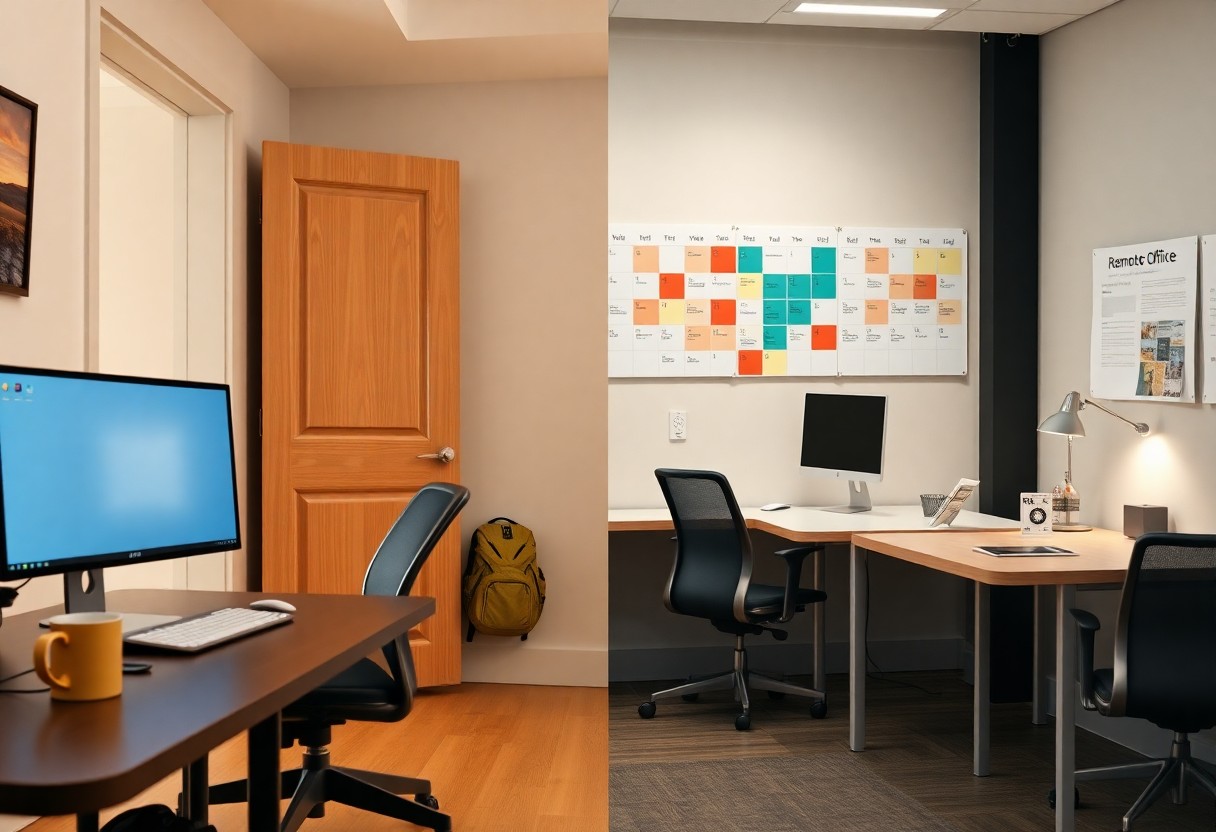
It’s clear that flexible work directly supports your mental health and job satisfaction. Employees with control over their schedules report 35% lower stress levels, and companies offering flexibility see up to 50% higher retention rates. You don’t need a rigid 9-to-5 to stay productive-trusting you with time builds loyalty and improves overall wellbeing.
Key Takeaways:
- Flexible work reduces stress by giving employees control over their schedules, leading to better mental health and fewer burnout cases.
- People are more likely to stay with employers who offer remote or hybrid options, as flexibility increases job satisfaction and work-life balance.
- Teams with flexible arrangements often report higher engagement, showing that trust and autonomy support both performance and loyalty.
The Geography of Human Potential
Location no longer defines talent. With flexible work, you access opportunities beyond city centers, unlocking skills from rural towns, suburban neighborhoods, and global time zones. This shift expands your workforce while giving individuals previously excluded by geography a real chance to contribute. Equity in access becomes a driver of both wellbeing and retention.
The Cognitive Cost of the Commute
Time spent commuting drains your mental energy before the workday begins. Sitting in traffic or crowding onto transit leaves you fatigued, stressed, and less focused. That daily grind accumulates, eroding your mood and long-term health. Eliminating it isn’t just convenient-it’s a direct boost to cognitive performance and emotional balance.
Reclaiming the Morning Peak
You gain back precious hours when you skip the commute, turning rushed, stressful mornings into moments of calm and control. That time can go toward exercise, family, or a slower start-choices that improve your mood and focus. Starting the day on your terms strengthens both mental health and job satisfaction.
Morning routines shaped by choice, not transit schedules, allow you to align work with your natural energy patterns. Whether it’s a walk, breakfast with loved ones, or quiet time with coffee, these small acts build psychological resilience. You show up more present, less reactive, and more engaged. This daily autonomy is not a perk-it’s a foundational element of sustained performance and emotional wellbeing. Employers who support this shift see deeper loyalty and fewer burnout-related exits.
The Autonomy Dividend
You gain more than just flexibility when you control how and where you work. Autonomy directly fuels motivation, reducing emotional exhaustion and increasing job satisfaction. Employees who make decisions about their workflow report higher levels of engagement and are less likely to seek other opportunities. This independence isn’t a perk-it’s a performance catalyst.
Trust as the New Corporate Currency
Trust replaces surveillance when companies embrace flexible work. Being trusted to deliver without constant oversight signals respect, which deepens loyalty. You respond to that trust by taking greater ownership of outcomes. When management measures results, not hours, the relationship shifts from transactional to mutual accountability.
Sovereignty Over the Daily Schedule
Scheduling freedom lets you align work with your natural energy patterns. You decide when to focus, rest, or attend to personal needs without requesting permission. This control reduces stress and prevents burnout. When you manage your time intentionally, productivity rises without longer hours.
Having full authority over your daily rhythm transforms how you experience work. Instead of fighting rush-hour traffic or forcing concentration during energy dips, you structure your day around peak performance windows. You might start early to finish in time for a child’s recital or pause for a midday workout to reset focus. These small, consistent choices compound into greater mental resilience and sustained engagement. Employers who grant this freedom don’t just accommodate lifestyles-they enable higher-quality output by respecting individual differences. When you’re free to work when you’re most effective, the quality of your work and your sense of control both improve.
Biological Rhythms and the Industrial Clock
Modern work schedules often clash with your natural biological rhythms, forcing early risers and night owls alike into the same rigid 9-to-5 mold. This misalignment can impair focus, mood, and long-term health. By embracing flexible work, companies acknowledge that productivity isn’t tied to clocking in at a set time-it’s tied to energy, rhythm, and personal peak performance. Learn more about How Flexible Work Improves Employee Wellbeing – Active Plus.
Escaping the Rigid Time Trap
You no longer need to sacrifice your morning routine or family time just to sit at a desk by 9 a.m. Flexible schedules let you align work with when you’re naturally most alert and engaged. Breaking free from arbitrary time constraints reduces stress and increases job satisfaction, making it easier to sustain high performance without burnout.
Mitigating the Burnout Epidemic
Burnout isn’t just exhaustion-it’s a signal that your work environment ignores your limits. When you can choose your hours, you gain control over workload pacing and recovery time. This autonomy dramatically lowers the risk of chronic stress and emotional depletion, helping you stay productive and present over the long term.
Burnout often develops silently, fueled by relentless schedules and the inability to disconnect. With flexible work, you can structure your day to include real breaks, movement, and mental recovery-elements proven to sustain cognitive function and emotional resilience. Organizations that support timing autonomy see fewer sick days, higher morale, and stronger loyalty, turning retention into a natural outcome of thoughtful design.
The New Loyalty Equation
You no longer expect employees to stay simply because they have a job. Flexibility has redefined loyalty-today, people remain with employers who respect their time, boundaries, and personal needs. When you offer control over when and where work happens, you build trust, and trust builds lasting commitment.
Flexibility as a Primary Benefit
Flexibility now ranks higher than many traditional perks. Employees value autonomy over rigid schedules, and when you provide it, they feel trusted and respected. This sense of agency directly improves morale, reduces burnout, and makes your organization a place people choose to stay.
Beyond the Geographic Monopoly
Location no longer dictates talent access. You can hire skilled professionals anywhere, breaking free from high-cost urban centers. Remote and hybrid models let you build diverse teams across regions, increasing resilience while reducing pressure on employees to relocate.
Remote work dissolves the expectation that employees must live near an office. This shift allows you to tap into overlooked talent pools-parents, caregivers, people with disabilities, or those in rural areas. Offering flexibility expands opportunity on both sides: workers gain access to roles they’d otherwise miss, and you gain fresh perspectives, boosting innovation and inclusion across your organization.
The Architecture of Trust
You build trust when you measure performance by outcomes, not hours logged. Flexible work demands accountability on both sides-leaders must resist surveillance habits, while employees own their commitments. This mutual respect becomes the foundation of lasting loyalty, reducing turnover and strengthening engagement across distributed teams.
Results Over Physical Presence
Performance thrives when you focus on deliverables, not desk time. Expecting people to be seen instead of valued for their output erodes morale. Teams that prioritize impact over attendance report higher satisfaction and productivity, proving that trust fuels both performance and retention.
Culture Without Cubicles
Connection doesn’t depend on shared office space. You sustain culture through intentional communication, inclusive rituals, and visible recognition. Remote teams with strong digital engagement often report deeper belonging than those relying on proximity alone.
What keeps your culture alive isn’t the office layout but the consistency of your values in action. Daily check-ins, virtual collaboration spaces, and celebrating wins publicly reinforce inclusion. When team members feel seen and heard regardless of location, engagement becomes location-agnostic, and loyalty grows from purpose, not proximity.
Summing up
Following this, you see how flexible work directly supports employee wellbeing by reducing stress and improving work-life balance. You gain more control over your time, leading to higher job satisfaction and stronger commitment. Employers who offer flexibility see lower turnover, proving that when you feel trusted and supported, you’re more likely to stay.
FAQ
Q: How does flexible work impact employee stress levels?
A: Flexible work reduces employee stress by allowing people to manage their time in ways that fit their personal lives. When employees can adjust their schedules or work from home, they spend less time commuting and gain more control over their daily routines. This autonomy helps prevent burnout, especially for those balancing caregiving, health needs, or education. Studies show that workers with flexible arrangements report lower anxiety and better sleep, contributing to improved mental health and focus during work hours.
Q: Can offering flexible work improve employee retention?
A: Yes, companies that offer flexible work options tend to retain employees longer. Workers are more likely to stay with employers who respect their need for work-life balance. When people feel trusted to manage their responsibilities without rigid schedules, job satisfaction increases. High turnover often stems from dissatisfaction with inflexible hours or long commutes, both of which flexible arrangements can address. Organizations that support flexibility report higher loyalty and lower resignation rates, especially among parents, caregivers, and employees with long-term health conditions.
Q: What types of flexible work arrangements support wellbeing the most?
A: Remote work, flexible start and end times, and compressed workweeks are among the most effective arrangements for boosting wellbeing. Remote work eliminates daily commutes, freeing up time and reducing physical and mental fatigue. Flexible hours let employees align work with their natural energy patterns, such as starting early or working later based on personal preference. Compressed schedules, like working four 10-hour days, give employees longer breaks to rest and recharge. The best approach often combines several options, tailored to team needs and individual roles.
Leave a Reply