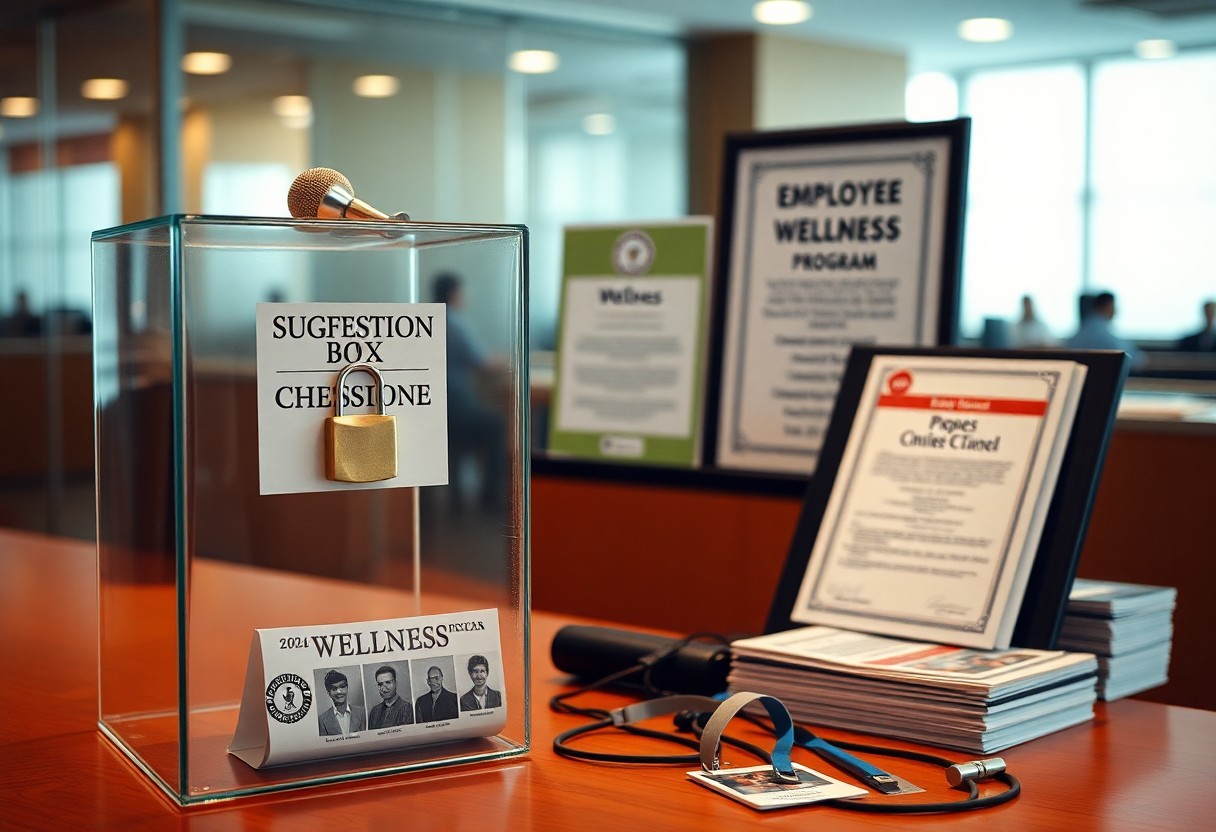
Just because your company offers meditation apps and quarterly wellness stipends doesn’t mean employees feel safe using them. If fear silences your team, every initiative is merely aesthetic. A mid-sized SaaS firm discovered this when participation in mental health days hovered near zero despite leadership’s public endorsement. Silence isn’t compliance-it’s evidence of distrust. Real wellness starts not with perks, but with permission to speak.

Key Takeaways:
- A wellness program cannot compensate for a culture of silence; if employees hesitate to voice concerns, mental health initiatives become symbolic rather than functional, like installing smoke detectors in a building where fires go unreported.
- Psychological safety is the foundation, not an add-on; one tech startup discovered that after introducing anonymous feedback channels and leadership response protocols, participation in wellness offerings increased by a measurable margin within a single quarter.
- Leaders who model vulnerability shift norms; a regional manager at a mid-sized SaaS firm began sharing personal stress triggers during team check-ins, which led to a cascade of open conversations previously absent in performance reviews or retrospectives.
The Wellness Paradox
Wellness programs often flourish in companies where employees remain silent about stress, burnout, or unfair workloads. Offering yoga classes while ignoring toxic team dynamics creates a dangerous contradiction. When psychological distress is met with silence rather than support, your wellness initiatives become symbolic, not substantive. A mid-sized SaaS firm once reported 90% gym membership uptake alongside rising turnover-a sign perks mask deeper issues.
Gym memberships versus psychological safety
Gym memberships cost less than resolving conflict, but they cannot substitute for trust. Employees who fear retaliation will avoid speaking up, regardless of how many wellness perks you offer. One tech lead admitted her team used the meditation room to cry in private, not to recharge. Perks without psychological safety are like life vests on a sinking ship.
Why perks cannot fix systemic fear
Free snacks and nap pods do nothing to reduce the risk of speaking truth to power. An employee who dreads management’s response will stay quiet, even with a full wellness budget. One engineer described his company’s mindfulness app as “a bandage on a broken culture.” No amount of yoga offsets a workplace where dissent is punished.
Systemic fear operates beneath the surface of visible benefits, rooted in patterns of response to disagreement or error. When a junior analyst hesitates to flag flawed data because the last person who did was sidelined, no amount of on-site massage changes that calculation. The presence of perks can even signal that leadership prefers optics over accountability. One financial services team celebrated a “mental health week” the same month three employees took stress leave-unrelated, according to leadership.
The Threshold of Candor
When employees hesitate to voice concerns, the organization has already crossed a quiet line where silence becomes policy. What feels like discretion may in fact be fear, and wellness initiatives without psychological safety are little more than decor. You measure culture not by posters or programs but by what happens when someone says, “This isn’t right.”
Identifying signals of institutional rot
Patterns of deferred decisions, repeated last-minute changes, or consistent avoidance of feedback reveal deeper dysfunction. Meetings without disagreement, performance reviews without candor, and surveys with declining participation are not quirks-they are symptoms. You overlook them at the cost of long-term resilience.
The transformative power of the dissenting voice
A single challenge in a quiet room can shift the entire direction of a project or policy. One employee questioning a deadline may expose unsustainable workloads across teams. That moment of risk often becomes the first step toward meaningful change, not because it fixes everything but because it breaks the silence.
Consider a mid-sized SaaS firm where a junior developer pointed out a recurring error in the onboarding process during a team huddle. The observation had gone unmentioned for over a year, assumed to be normal. Once voiced, it led to a redesign that reduced customer churn by streamlining setup. Silence had masked a fixable flaw; dissent revealed it.
The Anatomy of Voice
True psychological safety emerges when employees believe their input can shape outcomes, not just fill surveys. Recognition like the We are proud to receive a 2026 Gold Bell Seal reflects structural commitment, not PR. Silence in meetings often signals fear of repercussion, not satisfaction.
Designing spaces for interpersonal risk
Leaders create conditions for honesty by normalizing discomfort. A mid-sized SaaS firm redesigned team check-ins to begin with personal check-ins, not project updates. Attendance rose 40% and voluntary disclosures about workload stress doubled within two months.
The positive ripple effect of honesty
One manager’s admission of burnout during a department meeting led three direct reports to request schedule adjustments within 48 hours. Transparency modeled at the top doesn’t just permit honesty-it multiplies it across levels.
When a director publicly credited a junior employee’s intervention in averting a client escalation, it reinforced that speaking up carries weight. Others began flagging risks earlier, reducing incident resolution time by half over one quarter. Visible recognition turns individual courage into collective habit.
The Structural Shift
Real change begins when leadership stops measuring wellness by participation rates and starts tracking psychological safety. Anonymous surveys reveal more about your culture than attendance at yoga Fridays. A mid-sized SaaS firm discovered only 30 percent of employees felt safe reporting mistakes, exposing a gap no meditation app could fix. True progress lies in redesigning systems, not perks.
Moving beyond the aesthetic of care
Free snacks and branded water bottles mean little when employees fear speaking up. Wellness theater erodes trust faster than it boosts morale. You signal indifference when you celebrate mental health awareness week while enforcing 80-hour work cycles. Culture is shaped by consistency between words and operational norms.
Redefining the mechanics of a healthy workplace
Healthy workplaces are built on measurable behaviors, not goodwill. Teams that conduct regular, structured feedback sessions see 40 percent higher psychological safety scores. One engineering group implemented biweekly peer-led retrospectives, resulting in a documented 25 percent drop in unresolved conflict over six months. Process shapes outcome.
Shifting mechanics means altering decision pathways and accountability lines. You no longer evaluate managers solely on output but on how they handle dissent. A design agency replaced quarterly performance reviews with 360-degree input, including anonymous peer assessments. Turnover in leadership dropped within a year, not because people stayed longer, but because underperforming managers were identified and coached early.
Final words
You cannot measure psychological safety by attendance at wellness workshops or downloads of meditation apps. If employees hesitate to share concerns in team meetings, skip anonymous surveys, or downplay stress during check-ins, the program serves aesthetics, not health. Real impact begins not when initiatives are launched, but when people speak without fear-and are heard.
FAQ
Q: How can leaders identify if employees are hesitant to speak up about mental health concerns?
A: Leaders can observe patterns in meeting participation, anonymous survey response rates, and utilization of confidential counseling services. In one organization, HR noticed that while 80 percent of staff accessed the employee assistance program for physical health claims, fewer than 12 percent used it for psychological support, despite high reported stress levels in exit interviews. Low engagement in mental health workshops, even when well-publicized and voluntary, often signals discomfort rather than disinterest. Managers who conduct regular one-on-ones may also notice employees avoid discussing workload or emotional strain, redirecting conversations to task completion instead.
Q: Can a wellness program still be effective if employees don’t openly discuss their experiences?
A: A wellness program without open dialogue risks becoming a checklist exercise rather than a cultural intervention. Consider a mid-sized SaaS firm that offered meditation apps, subsidized therapy, and mental health days, yet saw no reduction in turnover among support teams. Internal reviews later revealed employees feared being labeled ‘high maintenance’ if they used resources. Anonymous access helps, but without psychological safety, utilization remains low and stigma persists. Real effectiveness emerges when employees voluntarily share their use of services, indicating trust in the environment.
Q: What specific actions can organizations take to encourage honest conversations about mental well-being?
A: Leadership modeling is crucial. When a senior executive shared their experience with anxiety during a company-wide meeting, it preceded a 40 percent increase in internal peer support group sign-ups over the next quarter. Structured feedback channels, such as anonymous input boxes with guaranteed responses, signal that voices are heard. Training managers to respond to disclosures with empathy rather than solutions builds confidence. One manufacturing plant introduced ‘no-agenda’ team check-ins focused solely on how people were feeling, leading to earlier identification of burnout signals and a measurable drop in unplanned absences.
Leave a Reply