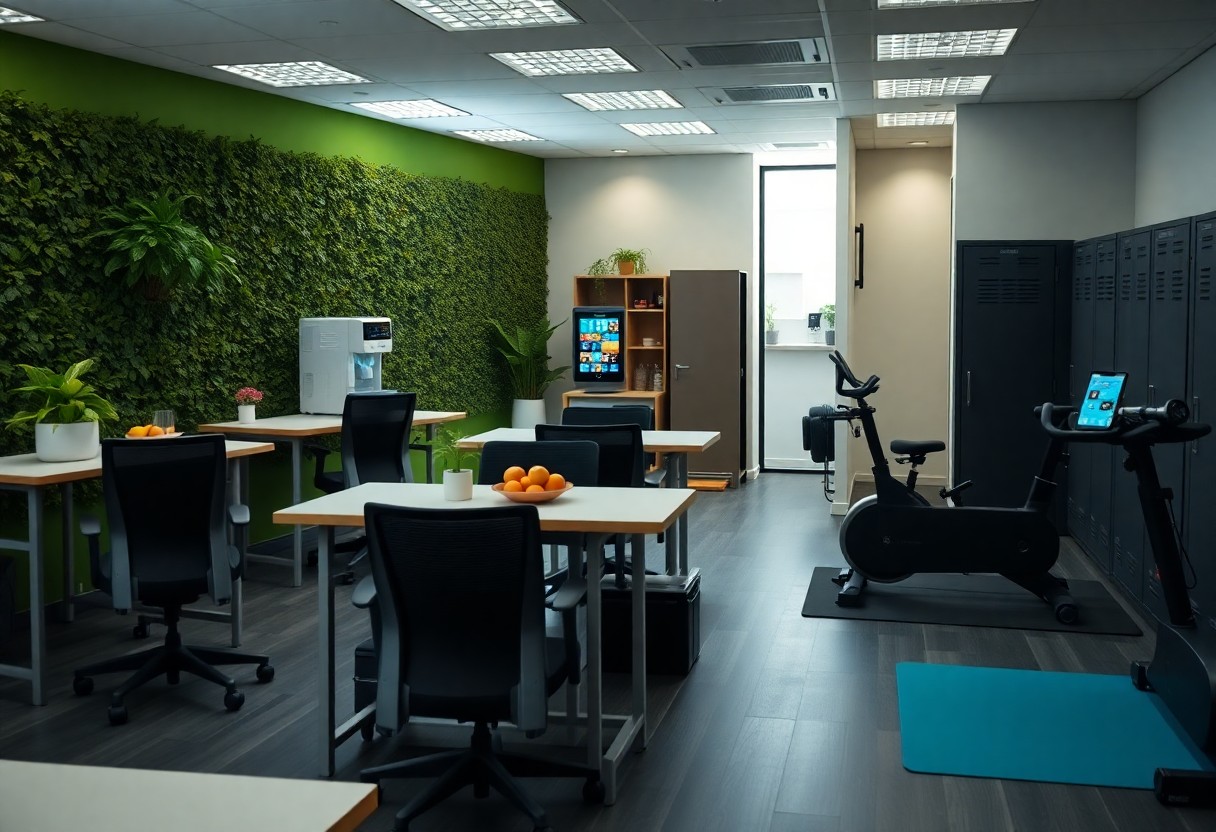
Trends in workplace wellness programs now focus on mental health support, flexible scheduling, and personalized well-being plans. You see employers integrating mindfulness apps, virtual therapy access, and fitness stipends into daily operations. These initiatives reflect a shift toward holistic, accessible care that meets employees where they are, improving engagement and long-term health outcomes.

The Digital Pulse
Technology now shapes how organizations support employee well-being in real time. You’re seeing a shift from annual wellness check-ins to continuous digital engagement, where data informs personalized health strategies. These tools adapt to your habits, offering timely nudges that align with your daily rhythm and health goals.
Algorithms of Vitality
Smart systems analyze your activity, sleep, and stress patterns to suggest tailored interventions. You receive customized insights-like optimal workout times or breathing exercises-based on behavioral data. These recommendations evolve as your routines change, making wellness support dynamic and personal.
Wearable Feedback Loops
Your smartwatch or fitness band tracks key health metrics and sends instant feedback. You adjust behaviors in response-slowing your pace during stress spikes or standing after prolonged inactivity. This constant exchange turns passive monitoring into active self-care.
Wearable devices create a responsive cycle where your actions influence the data, and the data shapes your choices. When your device detects elevated heart rate variability, it may prompt a short mindfulness session. You complete it, the device registers a calming trend, and your confidence in managing stress grows. These loops build awareness and encourage consistent, small improvements over time-making wellness a daily practice, not an occasional goal.
The Mental Horizon
You’re seeing a shift toward emotional transparency in today’s workplace, where mental well-being is no longer a sidebar but a central focus. Employers now recognize that psychological safety drives engagement and retention. Explore the growing impact with these 20 Impactful Workplace Wellness Statistics in 2025 to understand how organizations are evolving.
Destigmatizing the Interior Life
Your thoughts and emotions are being welcomed into professional conversations like never before. Leaders now speak openly about stress and burnout, helping teams feel safe sharing their struggles. This cultural shift encourages honesty, reduces shame, and normalizes seeking help as a sign of strength, not weakness.
Access via Application
Your mental health support is increasingly just a tap away. Wellness apps offer on-demand therapy, guided meditation, and mood tracking, fitting seamlessly into your workday. These tools provide privacy and convenience, making consistent care more achievable across remote and hybrid teams.
Mobile platforms are transforming how you interact with mental health resources. With features like AI-driven check-ins, personalized mindfulness plans, and live counseling access, these apps meet you where you are-whether at your desk or on the go. Employers are partnering with vetted providers to ensure quality, confidentiality, and ease of use, making consistent mental wellness a realistic daily practice.
The Architecture of Autonomy
You shape your workday around energy peaks, not rigid schedules. Employers now prioritize trust over tracking, replacing surveillance with support. This shift isn’t just about flexibility-it’s a structural redesign of how work fits into life, placing autonomy at the core of well-being.
Remote Work as Restorative
Working from home gives you space to breathe, think, and reset. Without office distractions or pressure to perform face time, you regain mental clarity. This quiet control over your environment turns routine work into a more sustainable, less draining experience.
Reclaiming the Commute Time
You gain back hours once lost to traffic or transit. That time becomes yours-whether for sleep, movement, or starting the day with intention. Eliminating the commute isn’t just convenient; it’s a direct investment in your daily well-being.
Imagine using your former commute to stretch, walk the dog, or sip coffee without rushing. These small acts compound into better mood, focus, and physical health. Employers recognize that time saved isn’t idle-it’s energy redirected toward productivity and personal care, making flexibility a wellness tool, not just a perk.
Social Connectivity
Strong relationships at work directly influence your well-being. Employers now prioritize social connectivity as a core component of wellness, recognizing its impact on morale and retention. You can access actionable guidance through SHRM’s Toolkit: Designing and Managing Effective Wellness Programs, which helps shape inclusive, people-first initiatives.
Community as a Health Metric
Companies are measuring wellness not just through biometrics but by assessing team cohesion and peer support. You’re likely to see pulse surveys tracking belonging and interaction frequency as indicators of organizational health, reflecting a shift toward human-centered outcomes that align with your daily experience.
Combating the Isolation Epidemic
Remote work and hybrid models have heightened feelings of disconnection. You may notice employers introducing structured peer check-ins, virtual coffees, or team-based challenges to reduce loneliness and strengthen informal bonds that support mental well-being.
Isolation affects cognitive performance and emotional resilience, often going unnoticed in distributed teams. When you proactively build spaces for casual interaction-like interest-based Slack channels or monthly social hours-you counteract the quiet toll of disconnection. These efforts aren’t just about morale; they’re preventive care for long-term engagement and psychological safety.
Financial Stability
You’re not alone in feeling the weight of economic uncertainty on your well-being. Employers now recognize that financial stress directly impacts mental health, focus, and productivity at work.
Economic Stress Mitigation
Offering emergency savings programs and no-interest advance pay options helps buffer unexpected expenses. These tools reduce anxiety tied to sudden financial shocks and support consistent performance.
Literacy as Preventive Care
Understanding budgeting, credit, and retirement planning early can prevent future crises. Employers who provide financial education equip you with skills that protect long-term wellness.
When you can confidently manage money, the ripple effects improve sleep, relationships, and focus at work. Financial literacy isn’t just about numbers-it’s a form of self-care that reduces chronic stress before it starts. Simple workshops on debt management or investing build confidence and resilience over time.
Cultural Alignment
Aligning wellness initiatives with your organization’s culture ensures they resonate with employees and drive real engagement. When programs reflect shared beliefs and workplace norms, participation increases and outcomes improve. You’re more likely to see lasting change when wellness feels like a natural part of how your team operates, not an add-on.
Leadership Modeling
Leaders who actively participate in wellness programs set a powerful example. When employees see managers taking mental health days, joining fitness challenges, or speaking openly about well-being, they feel permission to do the same. Your leadership team’s behavior shapes what’s considered acceptable and valued across the organization.
Values-Based Environments
Your company’s core values should directly inform wellness offerings. If integrity and respect are central to your mission, then psychological safety and inclusive practices must be embedded in well-being initiatives. Programs feel more authentic when they grow from what your organization already believes.
Building values-based environments means going beyond surface-level perks. You create policies that reflect stated principles-like offering flexible schedules if you value work-life balance, or ensuring equitable access to mental health resources. When employees experience consistency between messaging and practice, trust strengthens and well-being becomes a lived reality, not just a program.
To wrap up
The workplace wellness programs you see today focus on mental health support, flexible schedules, and personalized fitness options. Employers invest in apps for mindfulness, virtual therapy access, and ergonomic home office setups. You benefit from a holistic approach that values sustained well-being over quick fixes, making health integration a natural part of daily work life.
Leave a Reply