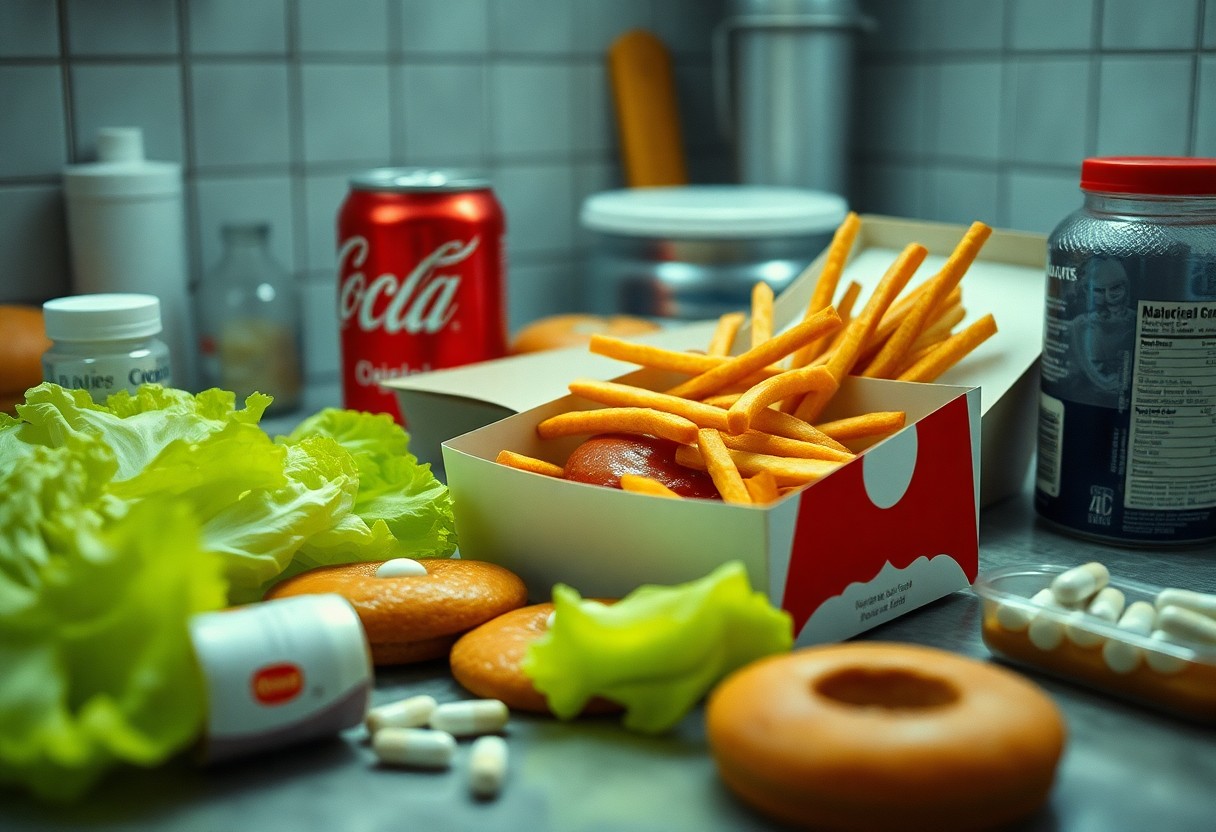
It’s easy to overlook how daily habits silently undermine your digestion and overall well-being. You might be unknowingly harming your gut by relying on processed foods, skipping fiber, or overusing antibiotics. Chronic imbalances can lead to serious conditions like inflammation and weakened immunity, while simple changes-like eating diverse plants and managing stress-can create powerful, positive shifts in your gut health.
Key Takeaways:
- Many people unknowingly harm their gut health by consuming highly processed foods loaded with hidden sugars and artificial additives, which can disrupt the balance of beneficial bacteria in the digestive tract.
- Overusing antibiotics or taking them unnecessarily-whether prescribed or in food sources-can severely reduce microbial diversity in the gut, leading to long-term digestion issues and weakened immunity.
- Skipping fiber-rich foods like vegetables, legumes, and whole grains limits the fuel available for good gut bacteria, resulting in poor gut function and increased inflammation.
The Supplement Shortcut Fallacy
You’re likely relying on probiotic supplements hoping for quick gut fixes, but most pills don’t survive stomach acid or colonize your gut long-term. Real diversity comes from food, not capsules, and no pill can replicate the complex ecosystem found in fermented whole foods.
Marketing over microbiology
Brands sell you “trillion-CFU” blends with flashy labels, but colony counts mean nothing if the strains don’t survive or belong in your gut. You’re paying for promises, not proven benefits, and often ingesting strains with zero clinical backing for your actual digestive needs.
Neglect of whole food fermentation
Fermented foods like sauerkraut, kimchi, and kefir deliver live cultures alongside enzymes and fiber-synergistic elements no supplement can match. By skipping these, you miss out on the natural matrix that supports true microbial balance and gut resilience.
Whole food fermentation doesn’t just add bacteria-it transforms nutrients into more bioavailable forms while producing beneficial compounds like short-chain fatty acids. When you eat naturally fermented foods, you’re feeding your microbiome with living, active ecosystems that adapt and interact in your gut, offering far greater long-term benefits than isolated strains in a bottle ever could.
The Chronic Deprivation of Fiber
You’re likely not getting enough fiber, and that shortfall is silently reshaping your gut health. Modern diets lack the diverse plant fibers your microbiome evolved to depend on, leaving beneficial bacteria underfed and outnumbered. This ongoing deficit weakens digestion, slows transit, and increases inflammation risk. Without consistent fiber intake, you’re starving the very microbes imperative for metabolic and immune balance.
Starving the ancestral biome
Your gut hosts trillions of microbes that rely on fiber to survive. Without enough variety and volume, these ancient allies dwindle. Species that produce protective short-chain fatty acids begin to disappear, weakening gut barrier integrity and increasing susceptibility to chronic disease. You’re not just eating less fiber-you’re erasing critical members of your internal ecosystem.
Consequences of the refined diet
Refined carbohydrates dominate your plates, replacing whole plant foods with stripped-down versions. These processed staples spike blood sugar and offer nothing to your gut bacteria. Without nourishment, microbial diversity plummets, creating an environment where harmful strains thrive and inflammation rises. Your daily choices are reshaping your microbiome in real time.
Every time you choose white bread over whole grains or skip vegetables for convenience foods, you reinforce a cycle of microbial decline. Refined foods lack the polyphenols, resistant starches, and insoluble fibers that feed beneficial bacteria. Over time, this leads to reduced production of butyrate-a key compound that calms inflammation and supports colon cell health. Without it, your gut lining becomes more permeable, raising the risk of systemic immune activation. Your diet isn’t just affecting digestion-it’s influencing your long-term metabolic and mental well-being.
The Cult of Extreme Sanitization
You’ve been taught that cleanliness equals health, but oversanitizing your world disrupts your body’s natural balance. Constant use of antibacterial products kills beneficial microbes just as much as harmful ones, leaving your gut vulnerable. This obsession weakens your microbiome’s resilience, making you more prone to allergies, autoimmune issues, and digestive disorders over time.
Loss of environmental microbial exposure
Spending most of your time indoors and avoiding soil, animals, or natural environments severely limits your contact with diverse microbes needed for immune education. Without this exposure, your gut doesn’t develop the microbial variety it relies on to stay balanced and functional, increasing long-term health risks.
Weakening the internal defense systems
Over-sanitizing dulls your immune system’s ability to respond appropriately. Your body stops recognizing common microbes as harmless, leading to chronic inflammation and overreactions like allergies or autoimmune flare-ups. A sterile environment today may mean a hypersensitive immune response tomorrow.
When your immune system lacks regular, low-level microbial challenges, it becomes like an idle muscle-weak and unprepared. Instead of mounting precise defenses, it overreacts to minor threats. This dysregulation is directly linked to rising rates of asthma, eczema, and inflammatory bowel diseases. Exposure to everyday microbes isn’t a risk-it’s a biological necessity for a well-trained, balanced immune response. Avoiding all germs does more harm than good.
The Mental Toll on Digestion
Stress reshapes your gut function in real time. When your mind is overwhelmed, your body redirects resources away from digestion, slowing motility and reducing enzyme output. This chronic state of alert disrupts microbial balance and weakens gut barrier integrity, making you more susceptible to inflammation and discomfort.
Adrenaline as a microbial disruptor
Adrenaline floods your system under stress, and this hormone directly alters your gut environment. It signals harmful bacteria to grow faster while suppressing beneficial strains. Over time, this shift promotes dysbiosis, increasing your risk for bloating, leaky gut, and immune imbalances you may not link to stress.
Neglecting the enteric nervous system
Your gut has its own brain-the enteric nervous system-and ignoring its signals leads to long-term dysfunction. When you override feelings of fullness, ignore bowel urges, or eat while distracted, you weaken neural communication that governs digestion, motility, and microbial harmony.
Every time you suppress a bowel movement or eat under pressure, you’re training your gut brain to respond poorly. This system controls muscle contractions, enzyme release, and immune responses-all without input from your head brain. Chronic disregard leads to constipation, erratic digestion, and heightened visceral sensitivity, making your gut less resilient over time.

The Deception of Synthetic Sugars
You might think you’re making a healthier choice by swapping sugar for artificial sweeteners, but your gut doesn’t see it that way. These non-nutritive sweeteners can disrupt your digestive balance and trigger unintended consequences. Learn more about what an unhealthy gut looks like with these 9 Signs of Bad Gut Health and What to Do About It.
Altering the balance of gut flora
Your gut bacteria react strongly to synthetic sweeteners, often shifting in ways that promote inflammation and reduce microbial diversity. This imbalance may impair digestion and weaken immune responses over time, even if you’re not consuming large amounts.
Metabolic fallout from non-nutritive sweeteners
You may avoid calories with artificial sweeteners, but your metabolism can still pay the price. These substances trigger insulin responses without delivering energy, confusing your body’s blood sugar regulation and potentially increasing cravings.
Research shows non-nutritive sweeteners like sucralose and aspartame can alter glucose metabolism by interacting with gut microbes and intestinal receptors. This disruption may lead to increased insulin resistance, even in healthy individuals, undermining efforts to manage weight or prevent metabolic disease. Your body expects sugar when it tastes sweetness-when that energy never arrives, it can dysregulate appetite and fat storage signals.
The Indiscriminate Use of Antibiotics
You’re likely taking antibiotics when you don’t truly need them-perhaps for a cold or mild infection. This overuse triggers a scorched earth effect in your gut, wiping out crucial bacteria along with harmful ones. Each unnecessary dose disrupts your microbiome’s balance, setting the stage for long-term digestive and immune issues.
Scorched earth policy in the colon
Your colon suffers irreversible damage when antibiotics obliterate beneficial microbes. This widespread destruction leaves your gut vulnerable to pathogens like *C. difficile* and weakens immune regulation. Without intervention, your internal ecosystem struggles to recover, increasing risks for inflammation and chronic conditions.
Failure to replant the internal garden
You don’t just lose bacteria-you fail to restore them. After antibiotic use, neglecting to replenish beneficial strains means your gut remains underpopulated and unbalanced. This oversight prevents full recovery and compromises digestion, immunity, and even mood regulation over time.
Rebuilding your microbiome isn’t automatic-it requires deliberate action. You need diverse, live probiotics from fermented foods or supplements and plenty of prebiotic fiber to feed new colonies. Without this active restoration, your gut remains in a weakened state, unable to perform its crucial roles in nutrient absorption and pathogen defense. Recovery depends on what you do after the antibiotics end.
To wrap up
Summing up, you often overlook simple habits that disrupt your gut health-like skipping fiber, overusing antibiotics, or ignoring sleep and stress. These everyday choices directly impact your microbiome balance. You don’t need extreme fixes; consistent, mindful adjustments in diet and lifestyle make the real difference. Your gut responds to what you do daily, not occasionally.
FAQ
Q: Why is constantly using probiotic supplements without dietary changes ineffective for gut health?
A: Taking probiotic pills while eating a diet high in processed foods and sugar often leads to poor results because beneficial bacteria need the right environment to survive. Probiotics introduce new microbes, but without enough fiber from fruits, vegetables, legumes, and whole grains, these microbes starve. The compounds they feed on-called prebiotics-are missing in low-fiber diets. Over time, the introduced bacteria die off, making the supplement pointless. Real improvement comes from changing what you eat first, then considering probiotics as a complement, not a fix.
Q: Can over-sanitizing your environment harm your gut microbiome?
A: Yes. Regular use of antibacterial soaps, hand sanitizers, and harsh household cleaners reduces microbial diversity not just on surfaces but inside your body. The gut thrives on exposure to a variety of microbes from soil, plants, pets, and other people. When environments are too sterile, especially during childhood, the immune system and gut flora don’t develop properly. This lack of exposure is linked to higher rates of allergies, autoimmune conditions, and digestive issues. Simple changes like using soap and water instead of antibacterial products and spending time outdoors support a healthier microbial balance.
Q: Is cutting out all fermented foods a common gut health mistake?
A: Many people avoid fermented foods like yogurt, kefir, sauerkraut, kimchi, and kombucha due to taste, fear of bacteria, or misinformation. These foods naturally contain beneficial microbes and organic acids that support gut lining integrity and digestion. Avoiding them removes a natural, food-based way to boost microbial diversity. Unlike supplements, fermented foods offer live cultures in a food matrix that enhances survival through the digestive tract. Including small amounts regularly can improve gut function without relying on pills or drastic changes.
Leave a Reply