Category: Uncategorized
-

WorkWell – Depression and Work Performance
With depression, you may experience reduced concentration and increased errors, affecting performance and attendance. You can seek treatment and workplace adjustments; early support and therapy improve function and lower long-term risk. Key Takeaways: Depression commonly impairs attention, memory, and decision-making, producing reduced productivity, slower task completion, more errors, and increased absenteeism and presenteeism. Workplace adjustments…
-

WorkWell – Managing Anxiety at Work
With anxiety at work harming focus and relationships, you can use practical strategies, spot dangerous panic escalation, and access support and accommodations to protect performance and wellbeing. Key Takeaways: Anxiety often shows as persistent worry, irritability, muscle tension, concentration problems, or task avoidance; tracking triggers and peak times clarifies patterns and informs coping plans. Short,…
-

WorkWell – Measuring Employee Wellbeing
It’s imperative you measure employee wellbeing to detect burnout risks, track engagement, and quantify benefits like increased retention and productivity; using regular surveys and analytics gives you actionable insights to protect staff and improve performance. Key Takeaways: WorkWell combines self-reported wellbeing scores with objective metrics (absenteeism, performance, turnover) to create a multi-dimensional measure. Frequent pulse…
-
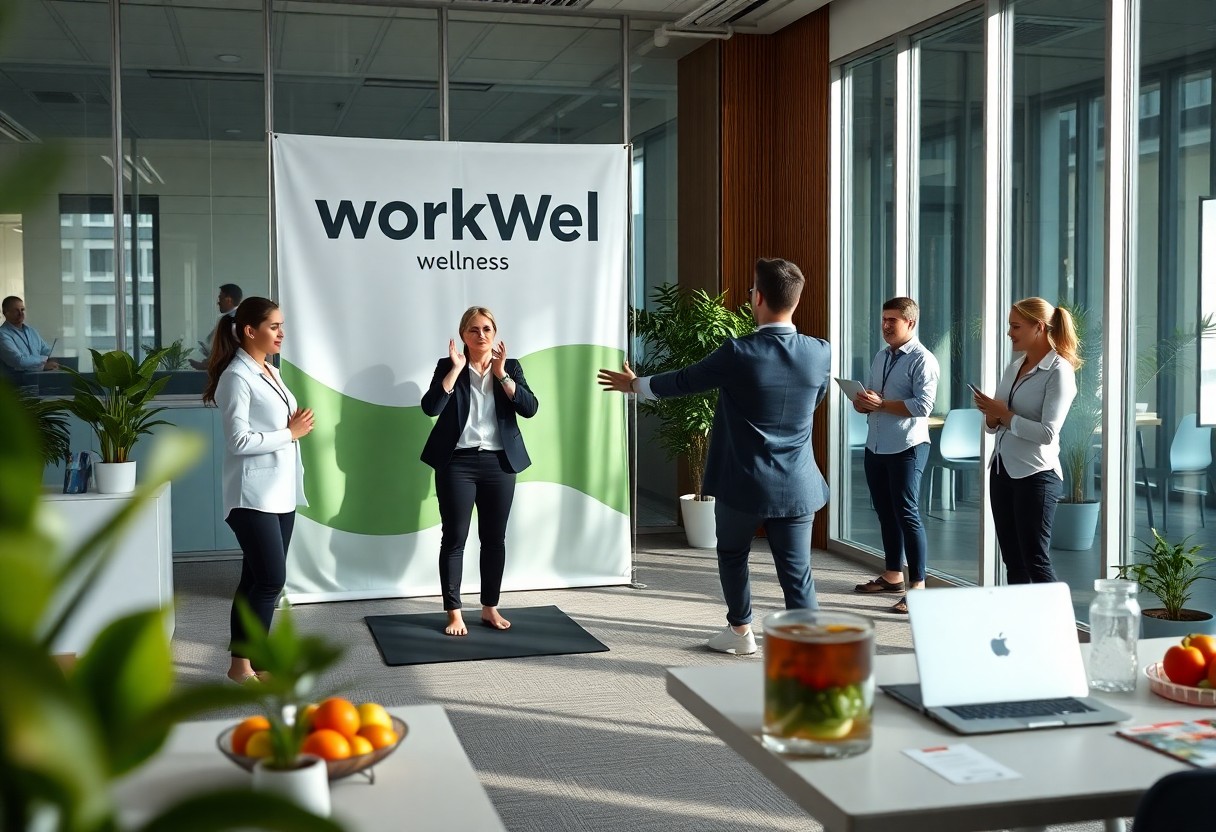
WorkWell – Corporate Wellness Programs That Work
Wellness programs guide you to cut burnout, lower healthcare costs, and boost productivity; you gain measurable ROI and reduced absenteeism when leadership aligns benefits with participation. Key Takeaways: WorkWell delivers measurable ROI by lowering absenteeism and healthcare costs and tracking participation and health outcomes. Programs integrate physical fitness, mental health resources, nutritional counseling, and flexible…
-

WorkWell – ROI of Workplace Wellness
Workplace wellness programs show measurable ROI, helping you cut costs, lessen burnout risks, and boost productivity-providing clear data to justify investment. Key Takeaways: Workplace wellness programs reduce healthcare costs and absenteeism, often delivering a positive ROI within 1-3 years through lower medical claims and fewer sick days. Productivity gains and lower turnover from improved employee…
-

WorkWell – Building a Wellness Strategy
There’s a workplace wellness strategy you can adopt to curb burnout risk, reduce absenteeism, and improve morale; implement clear policies, measurable goals, and leadership support to achieve improved productivity and mitigate mental health hazards. Key Takeaways: Align wellness programs with business goals and employee needs by conducting baseline assessments, defining measurable outcomes, and tying metrics…
-

WorkWell – Executive Leadership and Mental Health
It’s your leadership role that increases your burnout risk and worsens decision fatigue. You must address stress early and adopt proven mental-health practices to protect performance and wellbeing. Key Takeaways: High-pressure executive roles carry elevated risk of burnout, anxiety, depression, disrupted sleep, and impaired decision-making that undermine both personal health and organizational performance. Confidential, timely…
-

WorkWell – Wellbeing and Organizational Culture
Over 60% of employees report stress affecting performance; you must address mental health risks to protect staff and outcomes. You gain higher retention and sustained performance when you align policies with wellbeing and track progress. Key Takeaways: Workplace wellbeing programs that integrate mental, physical and social supports reduce absenteeism, lower healthcare costs and boost employee…
-

WorkWell – Psychological Health and Safety Standards
Workplace exposure to psychological hazards can harm you; WorkWell – Psychological Health and Safety Standards guide you to assess risks and implement controls that protect your mental health and reduce serious harm. Key Takeaways: WorkWell outlines a framework for identifying, assessing, and controlling psychosocial hazards to protect employee mental health and safety. The standard requires…
-

WorkWell – Creating a Respectful Workplace
Just you can shape a workplace where respect is nonnegotiable: clear policies stop harassment risks, timely reporting protects victims, and consistent leadership delivers higher retention and productivity you can measure. Key Takeaways: Clear anti-harassment and anti-discrimination policies outline unacceptable conduct, reporting procedures, and consequences. Managers model respectful behavior, address complaints promptly, and apply policies consistently….