-
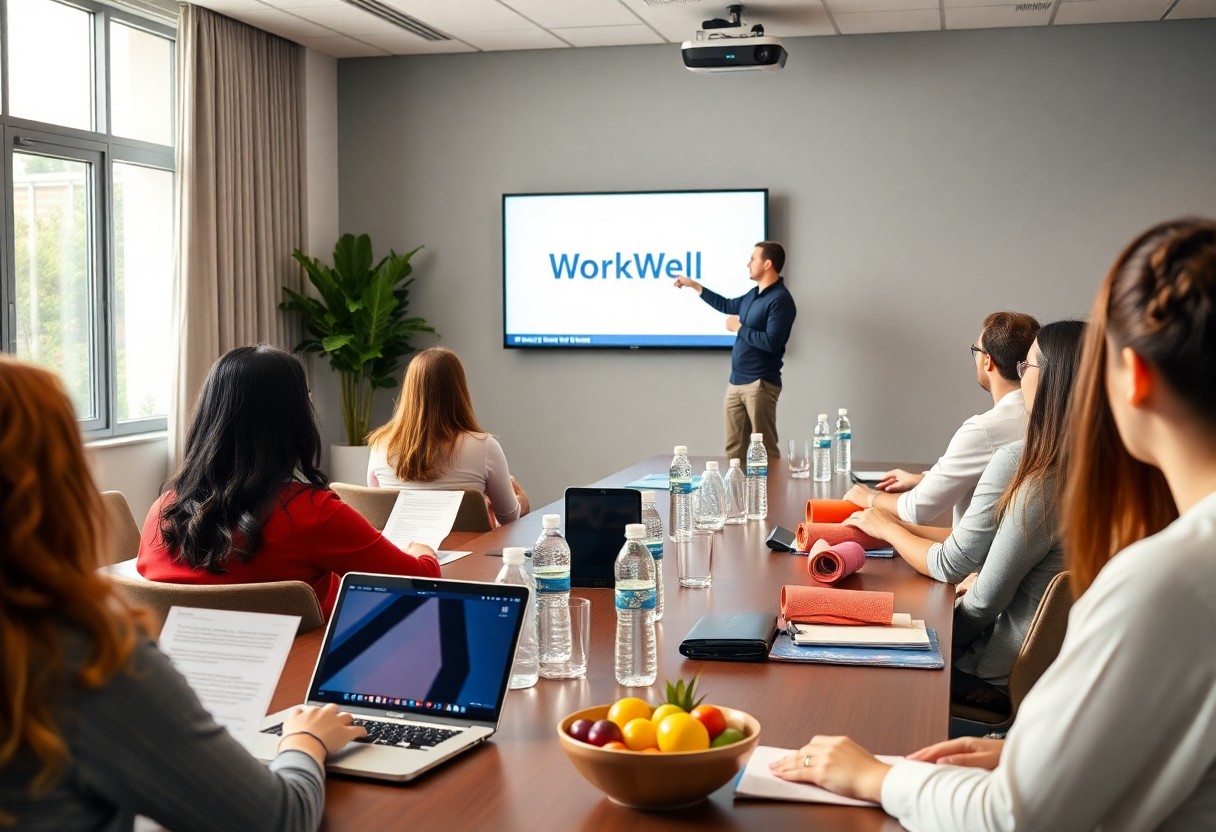
WorkWell – Empowering Employees Through Wellness Education
Most organizations overlook that workplace wellness education empowers you to reduce risks, so you should adopt clear, measurable programs that teach stress management and healthy habits; without them burnout and chronic disease escalate, while with targeted training your team gains better productivity, engagement, and resilience, measurable health improvements, and lower absenteeism. Key Takeaways: Integrates evidence-based…
-

WorkWell – Using Behavior Design to Build Habits
Habits determine whether you reach your goals or stay stuck; in WorkWell – Using Behavior Design to Build Habits you learn to apply behavior design so you can deliberately shape routines: use tiny cues and consistent rewards to make actions automatic, watch for accidentally reinforcing harmful patterns, and focus on sustainable productivity and wellbeing through…
-
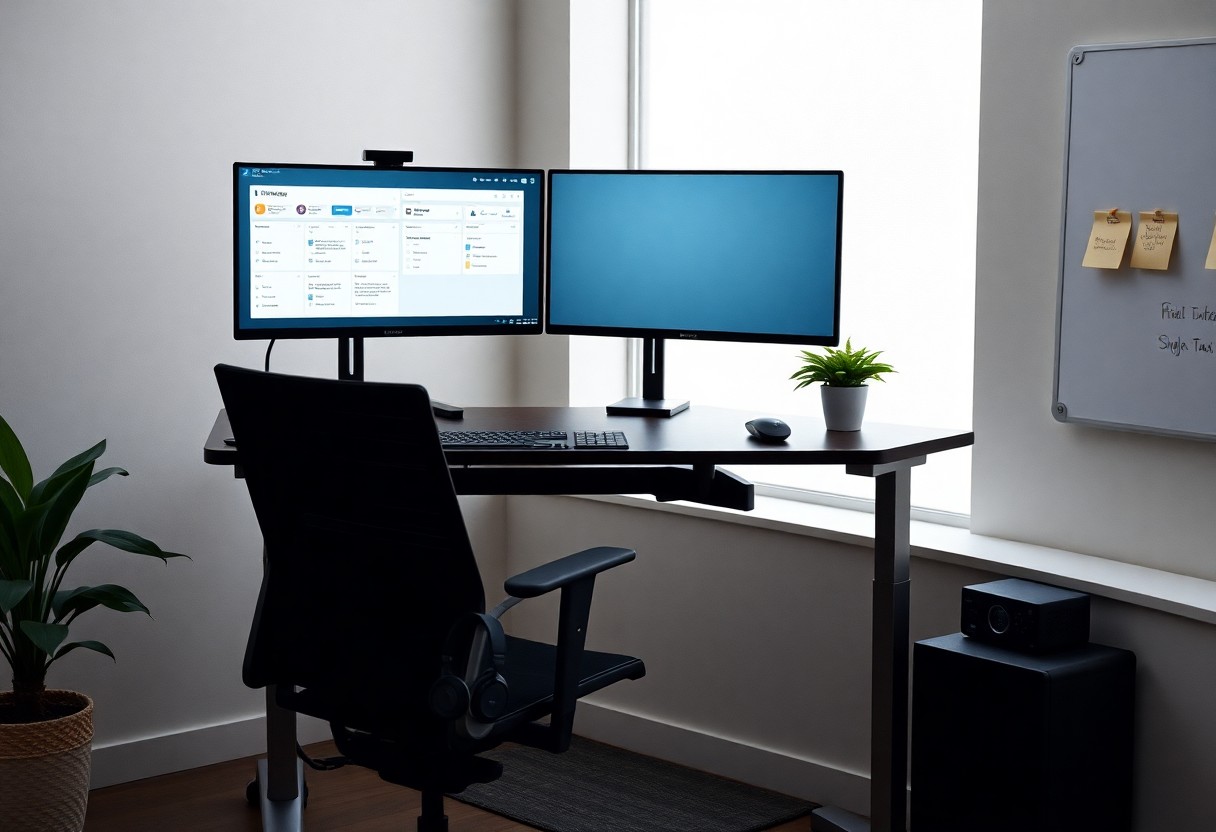
WorkWell – Optimizing Cognitive Load in the Workplace
Many workplaces overload your attention and impair decision-making, increasing errors and safety risks; by assessing task demands, simplifying interfaces, and structuring breaks you can reduce strain and boost efficiency, focus, and well‑being-practical load management improves productivity and lowers turnover while protecting staff and outcomes. Key Takeaways: Design workflows that align task complexity with employee capacity-chunk…
-
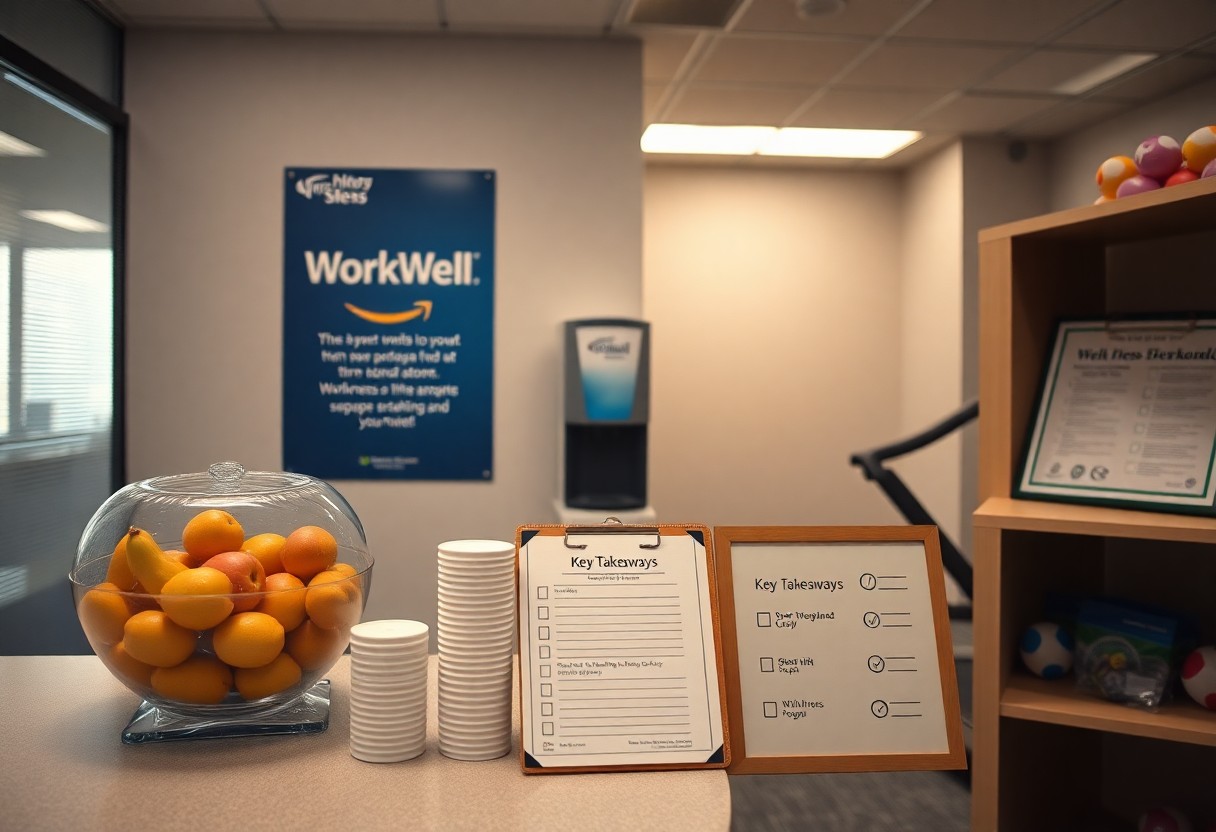
WorkWell – Is Workplace Wellness Just Lip Service?
Over the past decade you’ve watched companies advertise wellness, yet many deliver token perks that don’t address workplace culture, leaving you exposed to burnout and other mental health risks; genuine programs deliver measurable health gains, lower absenteeism and better retention, so you need to evaluate whether offerings include leadership change, measurable outcomes and sustained investment…
-
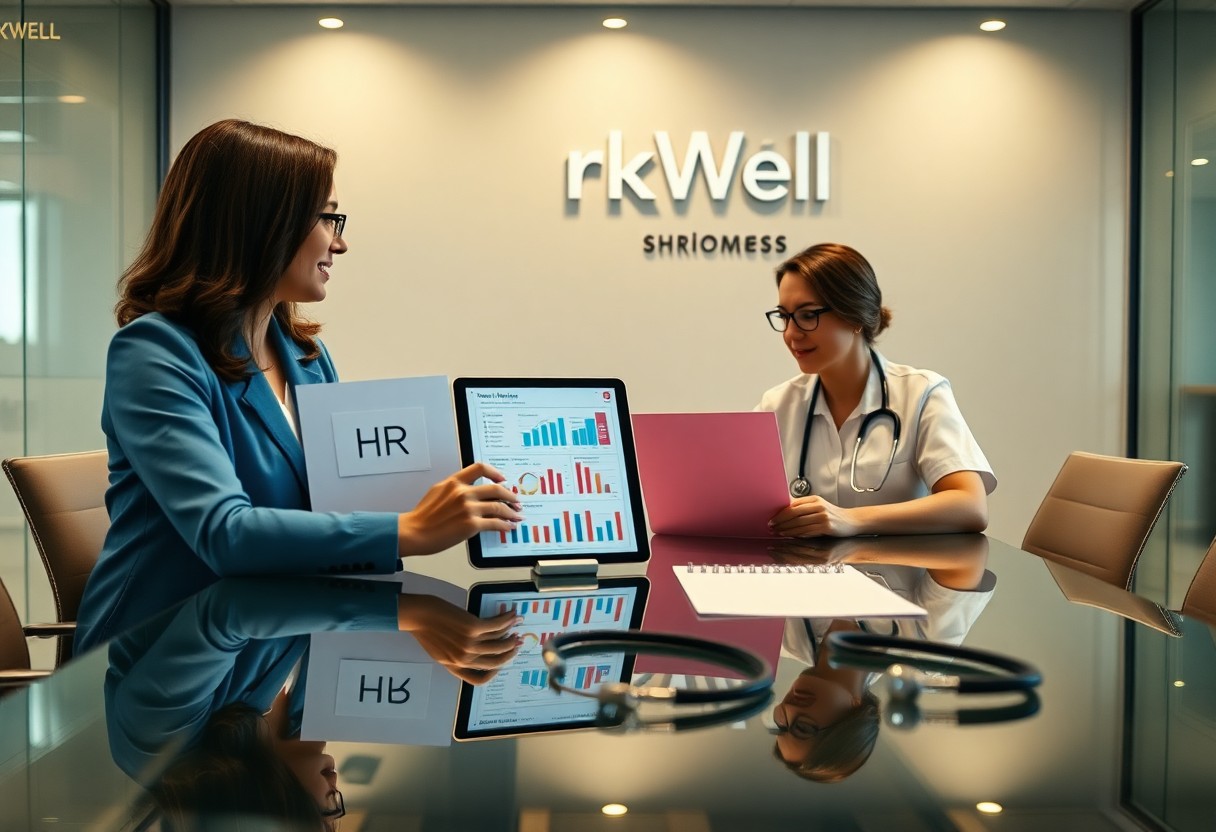
WorkWell – Bridging the Gap Between HR and Health
Just by aligning HR processes with health analytics, you gain the insight to mitigate hidden workplace risks while boosting workforce resilience; WorkWell gives you actionable data to reduce absenteeism, improve retention and cut healthcare costs, and it empowers managers and clinicians to coordinate care for a safer, more productive workforce. With clear metrics and compliant…
-

WorkWell – Daily Routines That Drive Sustainable Energy
Energy is sustained when you design daily habits that balance rest, movement and nourishment, and you schedule micro-breaks to avoid peaks and crashes. To protect your performance, avoid extended screen time and sleep debt, as chronic sleep loss and overwork can be dangerous for focus and health. Embrace short activity bursts, hydration and planned recovery…
-
WorkWell – Reframing Productivity Through a Wellness Lens
Many organizations chase output metrics while overlooking how your well-being shapes sustainable performance; by reframing productivity through wellness you reduce the risk of burnout and chronic stress and unlock greater focus, creativity and retention. This approach shows you how to design routines, environments and policies that boost long-term results rather than short-term spikes, giving you…
-

WorkWell – Can a Nap Room Save Morale?
There’s growing evidence that a dedicated nap room can protect your team from sleep deprivation and burnout, offering a structured way for you to recharge and boost productivity. Implementing clear policies, hygiene standards and time limits helps you manage liability and avoid misuse, while measured trials and employee feedback let you assess impacts on morale,…
-
WorkWell – Should Wellness Be a KPI?
Wellness as a KPI forces you to align operations with employee health. It can boost retention and productivity, but creates privacy and gaming risks unless you design outcome-focused measures, protect your team’s data, and avoid perverse incentives that drive burnout while ensuring leadership accountability and transparent reporting. Key Takeaways: Wellness KPIs can connect employee health…
-

WorkWell – When Wellness Becomes a Burden
It’s easy to see workplace wellness programs as purely beneficial, but when design and policy force you to participate or analytics invade your privacy they can become a workplace hazard; mandatory tracking, privacy risks and increased stress are common harms, while well-designed benefits that respect consent and choice can genuinely improve your health-understanding these trade-offs…