-

WorkWell – When to Rethink Your Employee Assistance Program
You expect your Employee Assistance Program to reduce stress and protect productivity, but when it delivers low utilization, rising turnover, or unaddressed mental-health risks, you must act; assess whether an outdated EAP is costing you talent and legal exposure and whether switching to confidential, outcomes-focused support with measurable ROI will restore well-being and performance. Key…
-
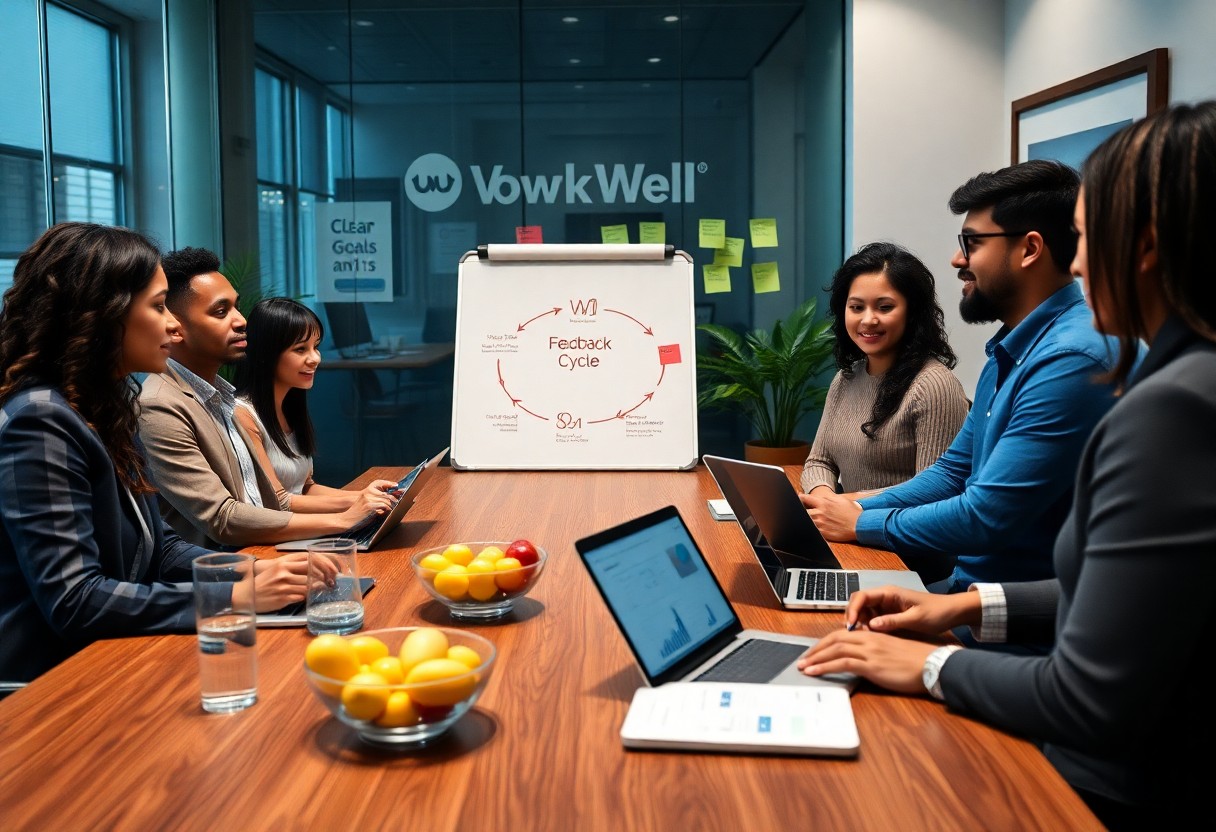
WorkWell – Creating a Wellness-Driven Feedback Culture
Just because feedback targets performance doesn’t mean it must erode wellbeing; when you design systems that prioritize psychological safety, you reduce burnout and improve outcomes. You should train managers to deliver regular, compassionate feedback, embed anonymous channels for concerns, and act on patterns that signal risk-because unaddressed stress can drive turnover and legal exposure. With…
-

WorkWell – How to Prevent 'Wellness Fatigue'
Workplace wellness initiatives can become overwhelming when they add obligations instead of relief; you must watch for persistent exhaustion and cynicism as warning signs and protect your time by enforcing clear boundaries. Prioritize small, consistent habits over one-off programs, communicate needs to leaders, adjust expectations, and integrate rest into workflows so you avoid burnout while…
-

WorkWell – Cultivating Rest Ethic Alongside Work Ethic
Most professionals push productivity at the expense of recovery, and if you keep that pattern you increase burnout risk; instead, you can adopt a rest ethic by setting clear boundaries, scheduling restorative breaks, and prioritizing sleep to sustain long-term performance and well-being. Key Takeaways: Treat rest as a productivity tool: prioritize sleep, regular breaks, and…
-

WorkWell – The Wellness Impact of Hybrid Work Schedules
Over the past decade, hybrid work has reshaped workplace health, and you need clear strategies to protect your wellbeing: prioritize consistent routines and team communication, monitor benefits like improved work-life balance and reduced commute stress, and guard against hazards such as increased isolation and blurred-boundary burnout. This post gives evidence-based policies and practical steps you…
-

WorkWell – Redesigning Meetings for Mental Health
With meeting culture shaping your workday, you must address meeting overload and burnout risk by redesigning how teams meet. Adopt clear agendas, strict time limits, and scheduled breaks to protect focus and reduce stress, and prioritize psychological safety and accessible mental-health support so you create sustainable routines that boost productivity and wellbeing. Key Takeaways: Audit…
-

WorkWell – The Power of Silence in the Workplace
Just because offices hum with conversation doesn’t mean you should ignore quiet: you can deploy silence as a strategic tool to enhance productivity, reduce interruptions, and signal respect. Applying quiet zones helps you avoid noise-related errors and stress, while intentional pauses and private space boost focus, creativity, and decision clarity-practical measures you can implement to…
-
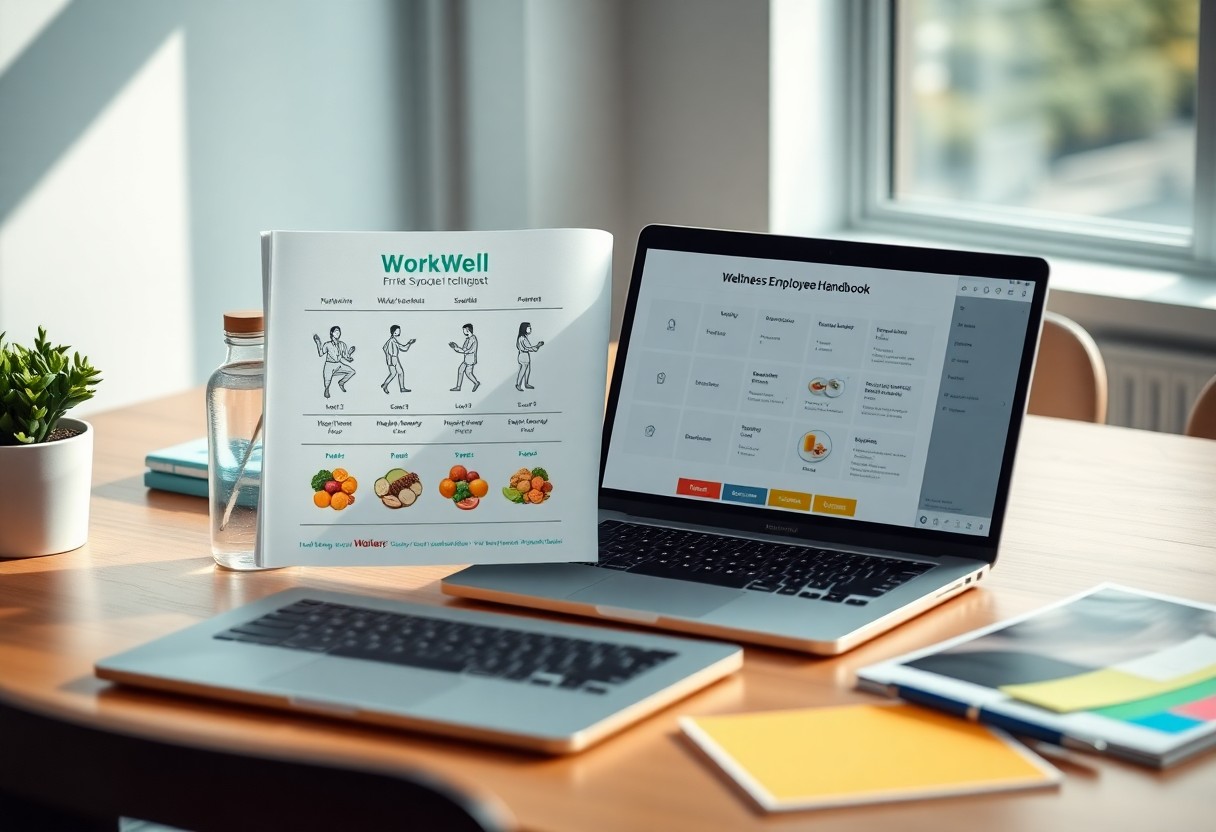
WorkWell – Designing a Wellness-First Employee Handbook
Handbook guidance helps you build policies that prioritize your team’s wellbeing, streamline expectations, and prevent burnout by setting clear boundaries; you should embed procedures that comply with employment law to avoid liability and ensure fairness, and you should promote flexible schedules and mental health support to boost retention and productivity while giving managers practical tools…
-

WorkWell – The Power of Unplugged Team Retreats
Workplace stress and constant connectivity erode performance; when you run an unplugged team retreat you create space for deep focus and candid connection, reduce the threat of digital burnout, safeguard your team’s mental health, and generate renewed creativity, stronger cohesion, and measurable productivity gains that improve collaboration and retention. Key Takeaways: Unplugged retreats deepen team…
-

WorkWell – How to Address “Always On” Work Culture
You must confront the “always-on” work culture proactively: set explicit boundaries, limit after-hours messages, and model downtime so your team can recover. Constant connectivity drives burnout, reduces focus, and risks staff turnover, but enforcing clear work hours and asynchronous workflows improves wellbeing and productivity. Use policies, tooling, and leadership signals to protect your time and…