-
WorkWell – How to Launch a Mental Health Campaign That Resonates
MentalHealth campaign success depends on how effectively you translate research into accessible actions for your workforce; you must pair evidence-based messaging with visible leadership and follow-through to reduce the dangerous harms of untreated stigma while creating measurable improvements in wellbeing. Focus on clear goals, audience-led testing, sustainable resourcing, and evaluation so your initiative resonates and…
-

WorkWell – Is Your Office Design Emotionally Intelligent?
Most office layouts ignore how design shapes emotions, and you should assess whether your space supports wellbeing or harms it: prioritize emotional intelligence in design by giving employees privacy and acoustic control to avoid the dangerous stress of constant noise, while incorporating natural light, biophilic elements, and flexible zones to boost creativity and belonging. Use…
-

WorkWell – How Team Rituals Improve Wellbeing
Just by adopting simple team rituals, you can reduce burnout, boost morale, and foster psychological safety that protects wellbeing and productivity; practical habits like regular check-ins, shared norms, and restorative breaks give you measurable gains while lowering the risk of chronic stress across your team. Key Takeaways: Regular team rituals (brief check‑ins, celebrations, paired work)…
-

WorkWell – Designing Onboarding with Wellness in Mind
You should design onboarding that balances orientation with wellbeing, so your new hires avoid information overload and stress while you promote psychological safety, clear expectations, and paced learning; integrating rest, mentorship, and realistic goals helps you prevent burnout, increase retention, and accelerate productive contribution from day one. Key Takeaways: Embed wellness into the onboarding design:…
-

WorkWell – Supporting Neurodivergent Employees Through Wellness
It’s important that you design wellness strategies so your neurodivergent employees feel supported: offer personalized accommodations and sensory-friendly spaces to reduce the risk of burnout and mental-health crises, while measuring outcomes to increase retention and productivity. By prioritizing predictable routines, clear communication, and flexible schedules you help your team perform sustainably and inclusively. Key Takeaways:…
-

WorkWell – How to Talk About Mental Health Without Awkwardness
It’s normal to feel unsure about discussing mental health at work, yet you can build clear, compassionate conversations that protect your wellbeing and career. Use plain language, set boundaries, and focus on solutions so colleagues and managers know how to support you; silence and stigma can worsen symptoms, so early, honest dialogue matters. Practice scripts,…
-

WorkWell – Why Wellness Needs to Be Bottom-Up, Not Top-Down
It’s clear that effective workplace wellness grows when you build from the ground up: top-down mandates often miss real needs and can worsen stress, while programs designed without employee input turn into box-checking. You must collect your team’s input, measure meaningful outcomes, and empower your teams to shape solutions that fit daily realities. By centering…
-
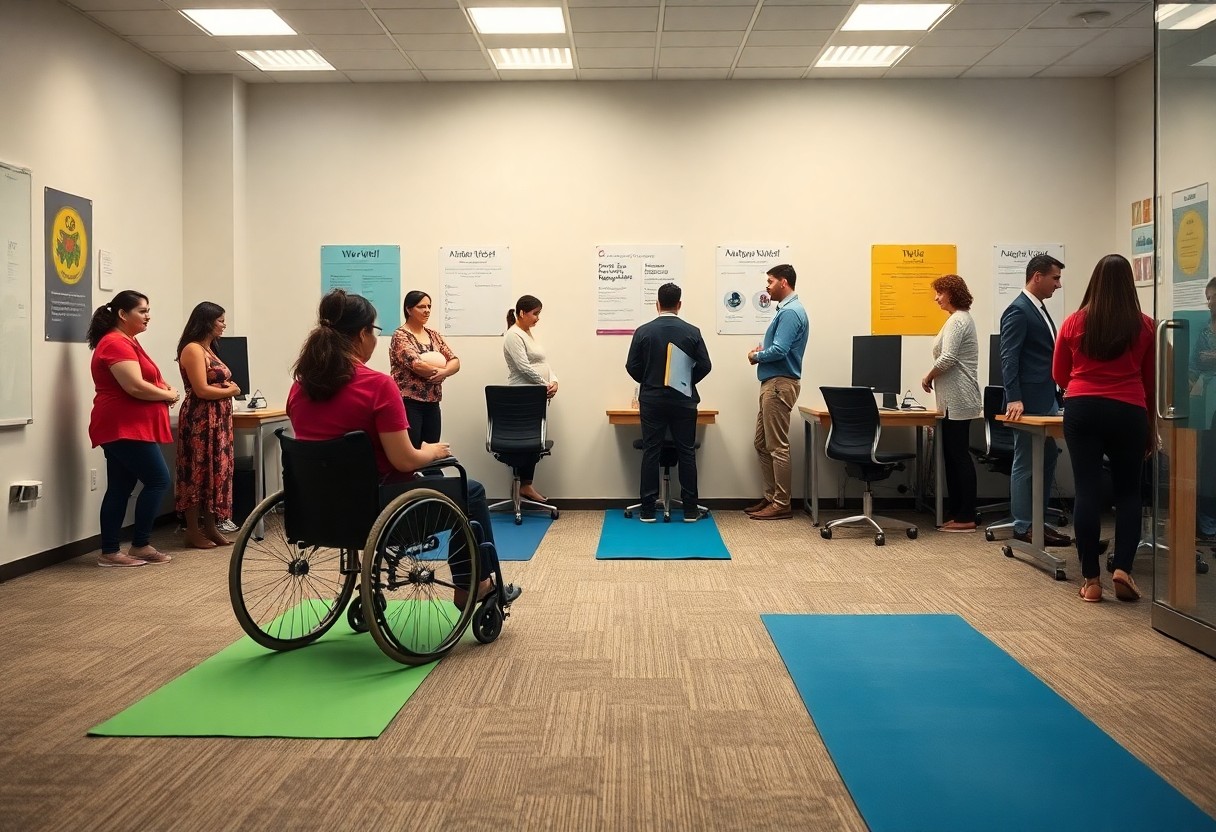
WorkWell – Aligning Wellness With DEI Initiatives
Alignment of wellness programs with DEI initiatives ensures you address systemic barriers and health inequities that jeopardize workforce safety while creating measurable gains in engagement and retention; by designing equitable benefits you reduce risk, increase trust, and boost performance-equitable access to culturally responsive supports is the most impactful step you can take. Key Takeaways: Design…
-

WorkWell – Training Employees to Handle Emotional Labor
Many roles demand emotional labor that can silently deplete you, increasing risk of burnout and costly errors; this post shows how effective training builds resilience, improves well‑being, and raises service quality. You will learn practical strategies to recognize emotional strain, set boundaries, and use evidence‑based techniques so your team performs consistently while protecting mental health…
-

WorkWell – Using Coaching as a Wellness Tool
Wellness coaching gives you structured support to clarify goals, reduce stress, and build sustainable habits so you can protect your performance and well-being; by working with a coach you learn to spot early warning signs of burnout and overwhelm-preventing long-term harm while developing resilience and accountability to boost satisfaction and productivity. Trust evidence-based methods to…