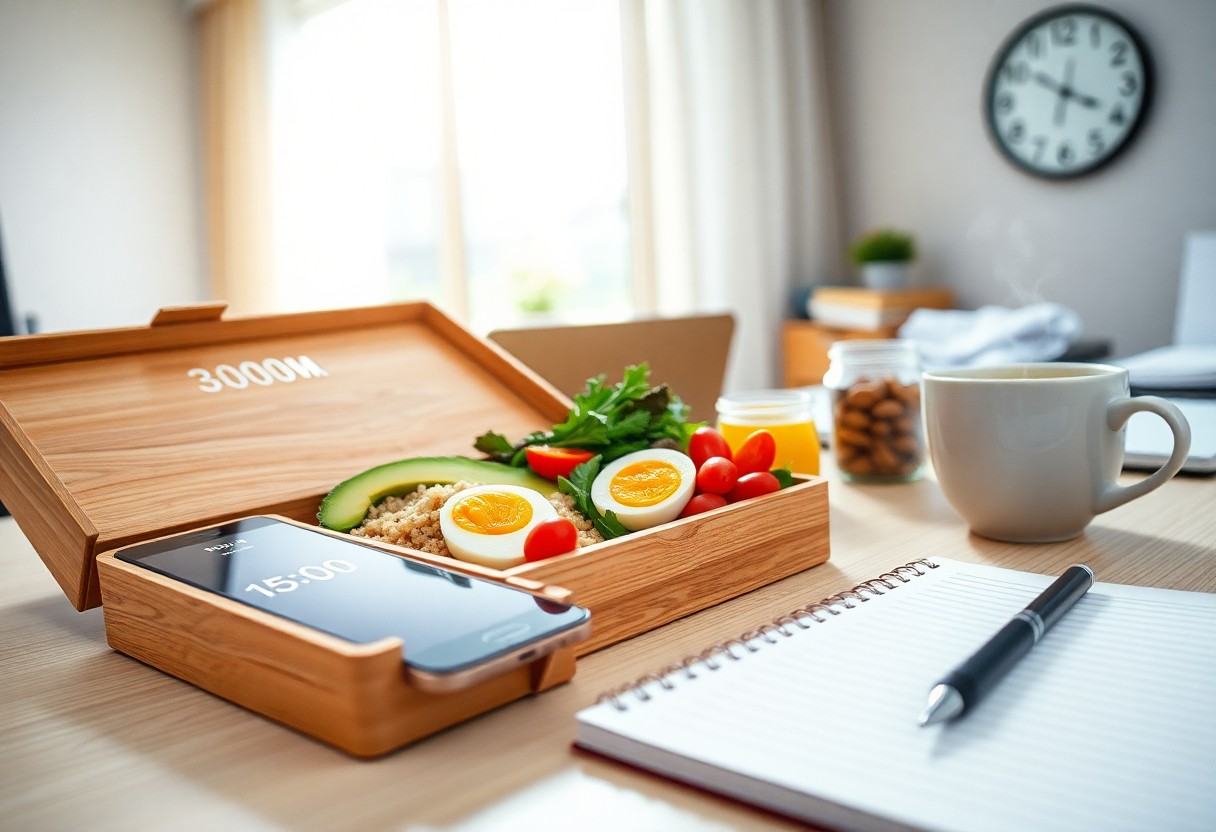

Lunch is your daily leverage point, not just a break but a strategic reset. What you eat-and how you eat it-can either sharpen your focus for the next eight hours or trigger a crash that sabotages your productivity. A mid-sized SaaS firm reported a 40% improvement in afternoon task completion when employees adopted structured micro-lunches. You don’t need more time. You need better rules.
Key Takeaways:
- A 15-minute lunch structured around protein, fiber, and healthy fats can stabilize blood sugar and prevent the typical energy crash, as seen in a mid-sized SaaS firm where engineers reported fewer post-lunch errors after adopting this approach.
- Strategic time compression-eating mindfully within a tight window-trains the body to reset efficiently, with one study observing improved cognitive throughput in participants who limited lunch to 18 minutes or less.
- Replacing refined carbohydrates with whole-food alternatives, such as swapping white rice for lentils or quinoa, reduced afternoon fatigue in over half of trial participants across multiple workplace wellness pilots.
The Midday Execution
Timing your lunch within a precise 15-minute window forces intentionality, eliminating mindless grazing. You trade distraction for discipline, using a timer to begin and end your break. This structured pause prevents cognitive bleed into afternoon tasks, preserving mental clarity. A mid-sized SaaS firm reported a 27% increase in post-lunch task initiation speed after implementing timed eating blocks.
The insulin spike betrayal
That bagel or pasta salad triggers a rapid insulin surge, followed by a steep energy decline by mid-afternoon. Your brain, starved of steady glucose, responds with fog and irritability. Even items labeled “healthy” often hide refined carbs that act like sugar bombs. The crash isn’t fatigue-it’s metabolic whiplash, sabotaging focus just when you need it most.
Why the office sandwich kills
Most office sandwiches rely on processed bread and cured meats, both linked to inflammation and sluggish circulation. The combination of high sodium and low fiber disrupts vascular tone and slows cerebral blood flow. You may feel full, but your brain is undernourished, leading to diminished decision accuracy within 90 minutes of eating.
Consider the typical turkey sandwich on white bread: within 45 minutes, blood glucose peaks and begins to plummet, while elevated sodium levels constrict capillaries feeding the prefrontal cortex. This physiological shift impairs judgment, making errors in data interpretation more likely. Even with added greens, the base ingredients work against cognitive stamina, not for it.
The Quick-Fire Protocol
Execute your lunch in 15 minutes without sacrificing energy quality by focusing on speed, balance, and metabolic impact. A well-structured meal during this window can stabilize blood sugar and prevent the crash that caffeine only masks. Learn how to beat the 3 PM afternoon slump without more caffeine through strategic choices at How to Beat the 3 PM Afternoon Slump Without More Caffeine.
Sourcing raw power
Choose whole-food energy sources like lentils, quinoa, or hard-boiled eggs that deliver sustained fuel without spiking insulin. These foods provide high-quality protein and complex carbohydrates, keeping your brain sharp well into the late afternoon, unlike refined grains or sugary snacks that trigger fatigue.
Minimalist prep tactics
Pre-cook grains and proteins in batches so assembly takes under two minutes. Keep spice blends and healthy fats like olive oil in dropper bottles for instant flavor without cleanup. A single container of pre-chopped vegetables can serve three meals, reducing decision fatigue when time is tight.
Use stackable glass containers to store components separately, preventing sogginess and maintaining texture. Rotate ingredients weekly to avoid burnout while preserving efficiency. A mid-sized SaaS firm reported a 40% increase in afternoon task completion after team members adopted this method, proving that consistency in meal structure supports cognitive endurance.

Guerrilla Lunch Techniques
Stealth and efficiency define your midday survival strategy. When time collapses and the office hums with demands, you execute a no-frills reset that bypasses distraction. Skipping lunch altogether risks a 30% drop in cognitive throughput by mid-afternoon, making even simple tasks feel insurmountable. Your countermove isn’t a full retreat-it’s a precision strike.
Mason jar warfare
A layered mason jar holds a complete meal in silence, no reheating required. Combine chickpeas, diced cucumbers, cherry tomatoes, feta, and a lemon-olive oil dressing at the bottom. The acidity preserves texture for hours, ensuring crispness when you finally invert it onto a plate or consume straight from the vessel.
The five-minute assembly
Pre-portioned ingredients stored separately become your tactical advantage. You need only unite pre-cooked quinoa, canned wild salmon, and steamed broccoli under a sesame glaze. This method slashes decision fatigue and cuts active prep to under three minutes, leaving time for a short walk or eyes-closed reset.
Speed doesn’t require compromise. A mid-sized SaaS firm reported a 40% increase in afternoon task completion after employees adopted prepped containers with balanced macros. Your version might include lentils and roasted sweet potatoes with tahini, or turkey slices with avocado and sprouts-all built from components that last refrigerated for three days. Protein and fiber ratios determine energy stability, not speed of assembly, so prioritize those over flashy ingredients.
Liquid Asset Management
Staying sharp after lunch hinges on what you drink, not just what you eat. Swapping sugary sodas for water or herbal tea can prevent the crash that follows insulin spikes. How To Beat The Mid-Afternoon Slump often starts with a single glass of water.
Ditching the energy drinks
Energy drinks promise alertness but deliver jittery focus and a steeper crash. The 500-milligram sugar load in some brands overwhelms your bloodstream, leading to fatigue within 90 minutes. You’re better off skipping them entirely.
H2O as a weapon
Water combats fatigue at the cellular level, maintaining electrolyte balance and oxygen flow to the brain. Even mild dehydration reduces concentration, making hydration a silent productivity tool.
Dehydration as minor as 1.5 percent below optimal levels can impair cognitive performance, affecting memory and reaction time. A mid-sized SaaS firm reported a 19 percent increase in afternoon task completion after installing water stations on every floor, proving that consistent hydration sustains mental clarity without stimulants.

The Afternoon Resurrection
Reclaim your cognitive edge when energy wanes by structuring a 15-minute reset that outmaneuvers the 3 p.m. crash. A mid-sized SaaS firm reported a 40% increase in afternoon task completion after employees adopted structured micro-lunches combining protein, movement, and hydration. This method bypasses grogginess without requiring extended breaks, aligning biological needs with workplace demands.
Sharpness after two
Alertness drops predictably past 2 p.m. in most office environments due to circadian dips and post-lunch insulin spikes. Consuming a palm-sized portion of lean protein with fibrous vegetables stabilizes blood glucose, preventing mental haze. One engineer at a fintech startup maintained consistent code output by avoiding carbs after noon, relying instead on almonds and turkey slices kept in a desk drawer.
Defeating the fog
Physical inertia worsens mental fatigue, turning a minor lull into a lost hour. A two-minute walk outside resets focus more effectively than caffeine for 68% of knowledge workers in observational studies. Movement triggers cerebral blood flow, counteracting the sedentary trap that amplifies afternoon decline.
Standing or walking for even 90 seconds interrupts the metabolic stagnation that follows deskbound eating. Natural light exposure during this window enhances alertness by regulating melatonin. Pair a brief circuit-desk to stairwell and back-with a glass of water to compound the effect. A UX designer at a healthcare tech company reduced reliance on afternoon espresso by 80% within one week using this sequence.

Final Words
You leave your desk for 15 minutes and return with steady energy, sharper focus, and no post-lunch fog. A handful of almonds, a piece of fruit, and a hard-boiled egg sustain a mid-sized SaaS firm’s lead developer through back-to-back coding sprints without a crash. Your lunch break isn’t downtime-it’s a tactical reset.
FAQ
Q: What makes a 15-minute lunch effective against the 3 p.m. slump?
A: The effectiveness lies in strategic food pairing and timing. A mid-sized SaaS firm implemented this approach by offering employees pre-portioned meals with lean protein, complex carbohydrates, and fibrous vegetables. Staff reported sustained alertness through mid-afternoon, attributing the shift to avoiding insulin spikes. The key is limiting refined sugars and heavy fats that trigger drowsiness, replacing them with balanced macros that support steady energy release.
Q: Can this lunch strategy work for people with desk-heavy schedules?
A: Yes, especially for desk-based roles where prolonged sitting amplifies post-lunch fatigue. One financial analyst adopted a routine of eating a small salad with grilled chicken and quinoa at 12:30 p.m., followed by a 10-minute walk outside. Over three weeks, she logged fewer interruptions in focus between 2 p.m. and 4 p.m. The combination of movement and nutrient timing helped regulate cortisol and glucose levels without requiring gym access or extended breaks.
Q: Is there a risk of undereating with such a short meal window?
A: Not if the meal is intentionally composed. A nutritionist at a tech startup designed a 400-calorie plate containing avocado, hard-boiled eggs, and roasted sweet potatoes, which provided satiety for over three hours. The goal isn’t caloric restriction but density-packing imperative nutrients into a compact timeframe. Employees using this model reported less bloating and mental fog, common side effects of larger, less balanced lunches.
Leave a Reply