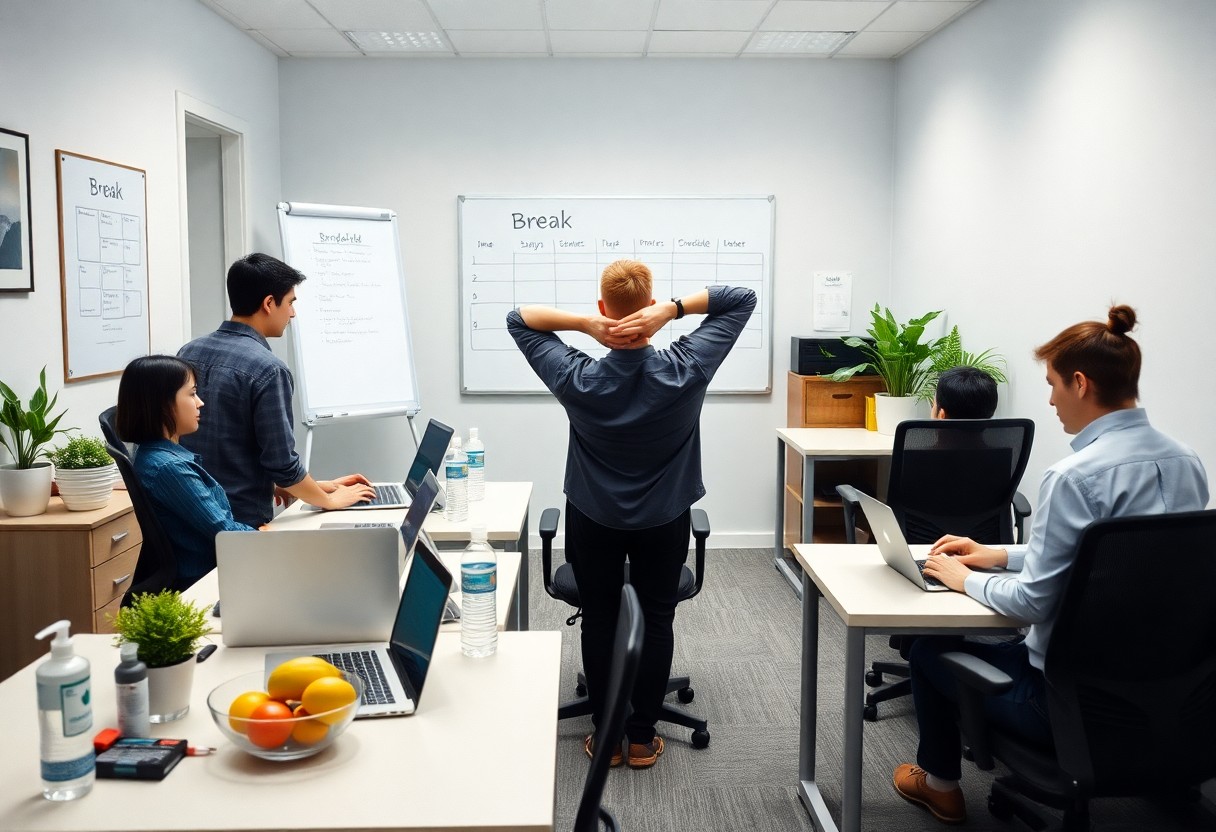
Just one in five small businesses offers structured wellness support, leaving employees at high risk for burnout and disengagement. You can make a measurable difference today by implementing simple, low-cost strategies that boost morale and productivity. Explore 17 workplace wellness programs and ideas to strengthen your team and create a healthier, more resilient workplace.
Key Takeaways:
- Small team employers can improve wellness by setting clear boundaries around work hours and encouraging regular breaks to prevent burnout.
- Simple, low-cost initiatives like weekly check-ins, flexible schedules, and mental health days have a measurable impact on team morale and productivity.
- Leaders who model healthy behaviors-such as taking time off and speaking openly about stress-create a culture where wellness is normalized and supported.
The Morning Rally
Starting the day with a brief team huddle sets a focused tone and strengthens connection. You don’t need more than ten minutes-just enough time to align on priorities and check in emotionally. This simple ritual reduces miscommunication and builds trust, making it one of the most effective wellness habits for small teams.
Coffee and Honest Talk
Sharing coffee in a relaxed morning circle invites openness. You create space where team members feel safe to say how they’re really doing. One honest “I’m overwhelmed” can prevent burnout down the line, and that kind of transparency starts with you.
Setting the Daily Mark
Defining one key goal per person each morning sharpens focus and reduces stress. You help your team avoid the trap of endless tasks by highlighting what truly matters today. Clarity like this boosts confidence and productivity without adding pressure.
When you guide each team member to name a single, meaningful outcome for the day, you’re not just managing workloads-you’re supporting mental well-being. This practice forces prioritization and prevents the anxiety of scattered effort. Teams that know their daily mark report higher satisfaction and lower fatigue, because they can see progress in real time. Keep it simple: one goal, one check-in, one win.
The Physical Room
Space shapes behavior, and your office layout directly impacts focus, mood, and collaboration. A cluttered or dim environment drains energy, while an open, organized room with clean lines supports mental clarity. You don’t need a redesign-just reposition desks to encourage movement and conversation. Natural flow matters more than square footage.
Light Through the Glass
Daylight resets circadian rhythms and reduces eye strain. Position workstations near windows and use glass partitions to let sunlight travel deeper into the space. Exposure to natural light boosts alertness by up to 40%. If windows are limited, install full-spectrum bulbs that mimic daylight-your team will feel the difference by midday.
Chairs for the Long Haul
Back pain starts silently, often from chairs that lack lumbar support. Invest in adjustable seating that moves with the body. Employees spend over 1,700 hours a year sitting-a poor chair isn’t just uncomfortable, it’s a health risk. Look for breathable fabric, tilt function, and seat depth adjustment within reach.
Even modest budgets can accommodate ergonomic upgrades when you prioritize long-term well-being over short-term savings. A supportive chair reduces muscle fatigue, improves posture, and cuts down on sick days linked to chronic discomfort. Teams report higher concentration and fewer distractions when physical strain is removed. Test models in person, involve your staff in selections, and treat seating as a health investment, not just office furniture.
The Necessary Break
Rest isn’t a luxury-it’s a requirement for sustained focus and mental clarity. When you step away from work, even briefly, your brain resets, reducing stress and preventing burnout. Small teams often feel pressure to stay constantly productive, but pushing through fatigue harms long-term performance. Build intentional pauses into the day to protect both well-being and output.
Stepping Into the Sun
Natural light regulates your circadian rhythm and boosts mood through increased serotonin. When you step outside, even for five minutes, your energy levels rise and mental fog lifts. Make it a habit to take short walks outdoors during breaks-no devices, no agenda. Sunlight exposure is one of the simplest, most effective wellness tools available.
Leaving the Screen Behind
Staring at screens nonstop strains your eyes and overloads your nervous system. When you disconnect from digital devices during breaks, your mind gets a chance to truly rest. Choose activities that don’t involve glowing rectangles-stretch, sketch, or sip tea in silence. This small shift can dramatically improve mental recovery.
Looking away from screens isn’t just about eye comfort-it directly impacts your cognitive recovery. Constant visual stimulation keeps your brain in a state of low-grade stress, making it harder to recharge. By engaging in screen-free activities like walking, journaling, or quiet conversation, you allow your nervous system to shift from alertness to restoration. Over time, this practice enhances focus, reduces irritability, and supports emotional balance-especially valuable in fast-moving small teams where mental agility matters most.
The Hard Boundary
Setting clear limits protects both your team’s health and productivity. When roles blur and work spills into personal time, burnout follows. You must define when the workday ends and stick to it. Respecting downtime isn’t optional-it’s a requirement for sustainable performance. Small teams thrive when energy is preserved, not drained.
Knowing When to Quit
Pushing through exhaustion leads to diminishing returns. You know when fatigue clouds judgment or creativity stalls. Recognizing that stopping can be more productive than persisting is a sign of strength, not weakness. Let your team see that rest is part of the process, not a reward earned after collapse.
Protecting the Evening Hours
Your team’s time after work belongs to them, not to emails or last-minute requests. Messages sent at 9 PM create pressure to respond, even if unintended. You set the tone-by staying offline, you signal that recovery matters. This small act builds trust and long-term resilience.
When you consistently log off and respect evening hours, you reinforce a culture where people recharge without guilt. It’s not just about avoiding burnout-it’s about creating space for better ideas, deeper rest, and stronger focus the next day. Your actions speak louder than policies; model the boundary you want to see.
The Shared Table
Shared meals build connection in small teams where trust and communication matter most. When you eat together, even briefly, barriers soften and collaboration grows. You don’t need a full kitchen-just space and time to break bread. Simple rituals around food create lasting cultural benefits.
Food Among Friends
Food becomes more than fuel when shared with teammates. You laugh, unwind, and see each other as people, not just roles. These moments of genuine connection reduce stress and increase morale. Try a weekly team lunch-potluck style-to keep it light and inclusive.
Quiet Moments Together
Stillness in company can be just as powerful as conversation. Sitting together without agenda allows you to recharge while staying connected. These pauses offer mental reset points during busy days, improving focus and emotional balance across the team.
Creating space for quiet time doesn’t mean enforcing silence-it means designing moments where presence matters more than productivity. Whether it’s a morning coffee in shared stillness or a midday walk without talk, these experiences build emotional safety. You signal that rest is valued, not punished. Over time, this reduces burnout and strengthens loyalty, because your team feels seen beyond output.
The Spirit of the Crew
Your team’s energy shapes everything-from daily output to long-term loyalty. When people feel seen and valued, morale lifts naturally. You don’t need grand gestures; consistency and authenticity matter more. A positive atmosphere starts with you, and small, intentional actions create lasting cultural shifts.
Listening to the Silence
Silence often speaks louder than feedback. When someone withdraws or disengages, it’s a signal. You can’t fix what you don’t acknowledge. Pay attention to shifts in behavior, missed check-ins, or lack of input. Addressing unspoken concerns builds trust and prevents resentment before it takes root.
Direct Words of Thanks
Thanking someone by name, in the moment, for a specific effort costs nothing but means everything. Generic praise gets forgotten; personal recognition sticks. A simple, sincere “thank you” boosts confidence and reinforces desired behaviors across your team.
When you offer direct words of thanks, you’re not just being polite-you’re shaping culture. Naming the action, like “Thanks for stepping in during the client call today,” shows you’re paying attention. This kind of recognition encourages others to contribute openly. People stay where they feel appreciated, and gratitude is the easiest retention tool you already have.
Conclusion
Drawing together practical steps for small teams, you can strengthen workplace wellness by setting clear boundaries, encouraging open communication, and modeling healthy habits. Start today by reviewing the 6 Management Tips for Supporting Employee Wellbeing at Work to build a supportive, sustainable environment.
FAQ
Q: How can small businesses promote mental well-being without hiring a full-time counselor?
A: Small teams can support mental well-being by creating open channels for communication, such as monthly check-ins where employees can share how they’re feeling in a safe, non-judgmental space. Employers can offer access to low-cost or free mental health resources like apps for mindfulness or online therapy platforms. Simple actions like encouraging regular breaks, respecting boundaries around after-hours communication, and recognizing signs of burnout go a long way. Leaders who model healthy behaviors-like taking time off when needed-help normalize mental self-care.
Q: What low-cost physical wellness initiatives work best for small teams?
A: Walking meetings, stretch breaks, or team step challenges using free tracking apps can improve physical activity without expense. Providing healthy snacks in the office or offering a small stipend for water bottles or standing desks shows support for physical health. Employers can also partner with local gyms or yoga studios for discounted group rates. Even setting shared team goals-like everyone drinking more water or taking a lunch break away from their desk-builds accountability and camaraderie.
Q: How do I start a wellness program when my team is remote or hybrid?
A: Begin by asking team members what kind of support they’d find helpful through a quick anonymous survey. Use video calls to host optional wellness activities like guided breathing sessions, virtual coffee chats, or online fitness classes. Share wellness tips in team newsletters or chat channels-like reminders to stretch or links to free meditation recordings. Set a team-wide “no-meeting Friday afternoon” policy to reduce fatigue. Consistency matters more than scale: small, regular efforts build a culture of care, even from a distance.
Leave a Reply