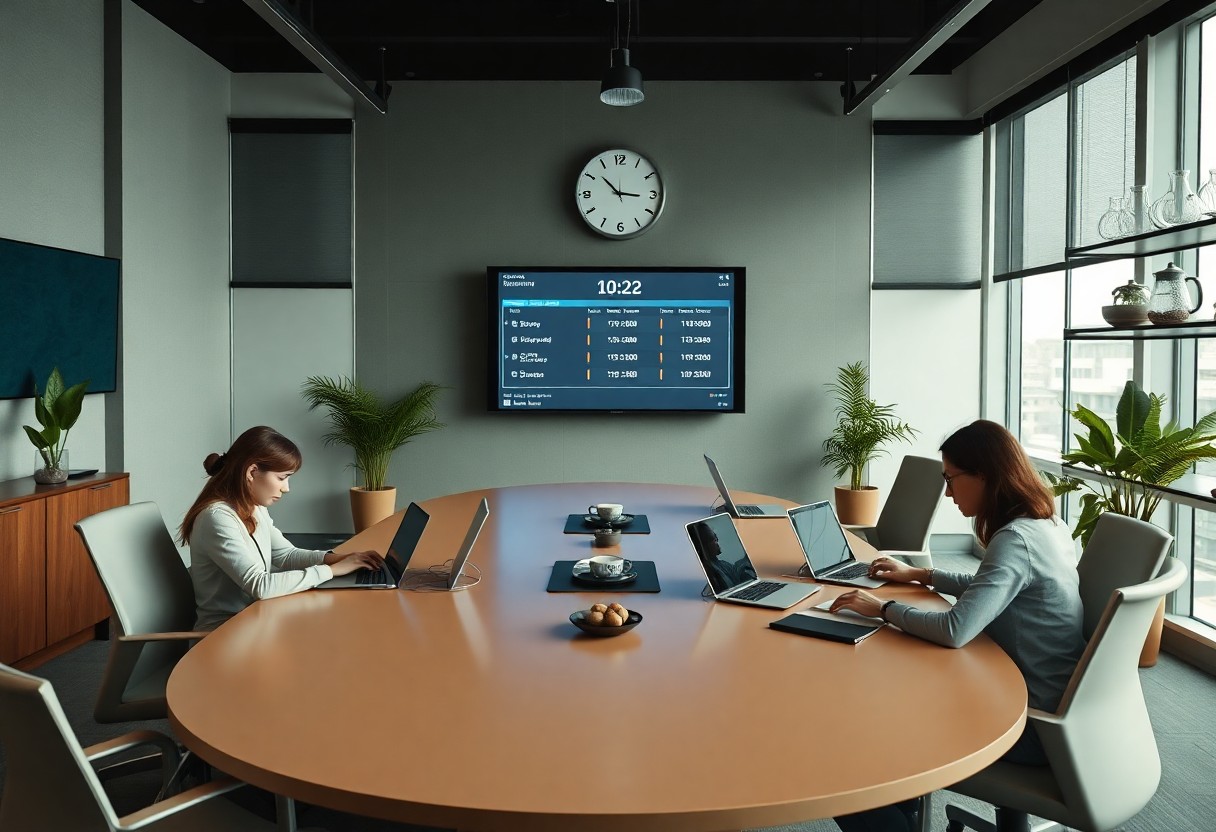
With meeting culture shaping your workday, you must address meeting overload and burnout risk by redesigning how teams meet. Adopt clear agendas, strict time limits, and scheduled breaks to protect focus and reduce stress, and prioritize psychological safety and accessible mental-health support so you create sustainable routines that boost productivity and wellbeing.
Key Takeaways:
- Audit and reduce meeting load: time-box meetings, require clear agendas and outcomes, and offer asynchronous alternatives or opt-outs to protect focus time.
- Design meetings to lower cognitive load: shorten sessions, include breaks and buffers, assign roles (facilitator, note-taker), and end with clear next steps.
- Promote psychological safety and healthy boundaries: set norms for cameras and interruptions, use brief check-ins, invite accommodations, and protect do-not-disturb periods.
The Impact of Meetings on Mental Health
Psychological Strain of Traditional Meetings
You routinely endure back-to-back gatherings that fragment attention and sap energy; an Atlassian survey found employees feel they waste 31 hours per month in pointless meetings. You experience heightened decision fatigue, frequent interruptions to deep work, and anxiety before speaking up, which together raise the risk of long-term burnout. Practical fixes-clear agendas, strict timeboxes, and protected focus blocks-can cut wasted hours and lower the mental load you carry daily.
The Rise of Remote and Hybrid Meeting Dynamics
Since 2020 remote meeting volume surged-Zoom reported about 300 million daily meeting participants at its peak-introducing new stressors like constant self-view, unstable home setups, and fragmented attention. You face amplified pressure from camera-on norms and frequent context switching, which researchers link to “Zoom fatigue” driven by close-up eye contact and reduced nonverbal cues. These dynamics make meetings both more frequent and more mentally demanding.
In hybrid teams you also negotiate time-zone overlaps, asynchronous work expectations, and unequal participation when some are in-room and others remote. Microsoft found meeting time for many employees effectively doubled since pre-pandemic patterns, increasing scheduling complexity you must manage. Adopting clear norms-who needs to be present, which items are async, and when cameras are optional-reduces friction and protects your cognitive bandwidth.
Principles of Effective Meeting Design
You should anchor meetings in principles that reduce cognitive load: set agendas, limit to 30-45 minutes, and require no more than 3-5 agenda items. Assign roles (facilitator, timekeeper, note‑taker) and use a parking lot for off‑topic issues. Pair short agendas with energizers like 60+ Mental health games and activities for workplace to try to reset attention; teams that adopt these constraints often free up >20% of calendar time and report higher focus.
Setting Clear Objectives
You must open every meeting with a one‑sentence objective and three expected outcomes; attach a 24‑hour pre‑read so attendees arrive prepared. Limit agendas to 3-5 items and assign each a timebox (e.g., 20 minutes discussion, 5 minutes decision). Use a visible decision tracker so you leave with concrete next steps and owners.
Inclusivity and Participation
You can boost engagement by collecting input asynchronously 48 hours before, rotating facilitators monthly, and using a round‑robin where each person gets 60 seconds to speak. Encourage low‑stakes check‑ins first so quieter members build confidence, and use polls or chat to surface ideas from those who don’t speak up.
Set micro‑formats: use 4‑person breakout groups for 8 minutes with one note‑taker, run quick anonymous polls, and alternate meeting times so no single timezone bears the burden. Track speaking time per person and aim to keep any single attendee under 30% of airtime; leadership should model asking questions, not dominating.
Strategies for Redesigning Meetings
You can cut meeting bloat by enforcing three rules: cap length at 45 minutes, limit attendees to 6-8 decision-makers, and circulate a timed agenda 24 hours before. Harvard Business Review reports managers spend about 23 hours per week in scheduled meetings; converting half of recurring status calls to async updates can reclaim days. Also implement meeting-free blocks and ban back-to-back meetings to protect deep work and reduce stress.
Implementing Breaks and Downtime
Schedule 10-15 minute buffers between meetings and protect a 1-hour lunch block; ultradian rhythm research supports breaks every ~90 minutes to sustain focus. When you require short, device-free pauses during long workshops, participants report less fatigue and higher recall. Try mandatory 5-10 minute walks after every two meetings and designate one meeting-free afternoon per week to lower burnout risk and improve creative problem-solving.
Utilizing Technology for Engagement
Use synchronous tools like polls, breakout rooms, and collaborative whiteboards (Miro, Mural) alongside async platforms-Loom for updates and Google Docs for live editing-to boost participation. You can replace many status meetings: teams that adopt asynchronous updates and shared docs often cut meeting time by up to 50%. Enforce agenda timers and visual cues so attendees stay focused and decisions happen within the allocated window.
Assign clear roles (facilitator, timekeeper, note-taker), enable AI transcription and action-item capture (Otter, Fireflies, Microsoft Viva) to auto-create tasks, and use meeting analytics (Clockwise, Fellow) to track load. Several case studies show organizations reduced weekly meeting hours by as much as 40% after combining async reporting, stricter agendas, and AI-driven notes; you gain measurable follow-through and fewer redundant check-ins.
Fostering a Supportive Meeting Culture
You set clear norms: require agendas 24 hours before, cap recurring meetings at 45 minutes, and keep one no-meeting day weekly to protect deep work. Encourage a two-minute check-in at the top so everyone lands mentally and note a visible meeting charter that lists roles, expected outcomes, and when to escalate issues. When you enforce these small, measurable rules, you reduce meeting churn and guard against meeting overload that fuels stress and disengagement.
Encouraging Openness and Transparency
You foster psychological safety by normalizing vulnerability: start with a one-minute mood check (1-5) and invite two-minute reflections from quieter voices. Cite Google’s Project Aristotle that found psychological safety as the top driver of team performance and use that to justify practices like anonymous suggestion boxes and rotating facilitators. If you spotlight patterns-like frequent negative moods-you catch silent burnout early and can adapt meeting load or one-on-one support.
Promoting Feedback and Continuous Improvement
You institutionalize short feedback loops: run a 15-minute retro every two weeks, deploy a 3-question pulse after key meetings, and assign one owner per action with a deadline within seven days. Use anonymous inputs to surface honest critiques and track whether changes actually reduce time wasted or increase clarity. When you close the loop publicly, trust rises and recurring problems stop reappearing.
You can operationalize this with a simple template: after every meeting, ask “What worked?”, “What should change?”, and “One action to try” via a 60-second form (Google Forms, Slido, or an in-chat poll). Triage entries weekly, convert top items into concrete actions on a shared Kanban, and tag an owner plus a 7-day deadline so feedback becomes improvement, not noise. Track three metrics month-to-month-average meeting length, agenda adherence rate, and action completion rate-to see trends; if action completion stays low, pivot facilitation style or reduce attendee list until you hit steady progress.
Case Studies: Successful Meeting Redesigns
You can measure impact quickly when you redesign meetings to support mental health: pilots show shorter gatherings, clearer agendas, and fewer interruptions cut stress and improved output. Several firms reported time savings and lower burnout within months; explore practical tactics here: 8 Simple Ways to Integrate Mental Wellness in the Workplace.
- 1. Company A – Weekly Check-Ins: 120-person pilot shortened check-ins from 60 to 20 minutes, saved 1,600 hours/yr, reduced self-reported stress by 28% and cut project delays by 15%.
- 2. Company B – Brainstorming Sessions: switched to asynchronous idea submission plus 30-minute focused meetings, increased implemented ideas by 60%, raised psychological safety scores by 22 points, and lowered voluntary exits by 8%.
- 3. Company C – Meeting Diet + Agendas: company-wide meeting cap and required agendas reduced meetings by 40%, reclaimed 3,200 hours/yr and recovered the equivalent of $210,000 in productive time.
- 4. Company D – Meeting-Free Wednesdays: introduced weekly deep-work day; focus metrics rose 20%, wellbeing survey scores increased 18 points, and average time-to-complete tasks fell 12%.
Company A: Transforming Weekly Check-Ins
You streamlined weekly check-ins by enforcing a 20-minute cap, one-item updates per person, and an asynchronous pre-read. After a 10-week trial with 8 teams, you saw a 28% drop in reported stress, a 15% faster task completion rate, and managers claiming clearer priorities with fewer follow-ups.
Company B: Redefining Brainstorming Sessions
You replaced long free-for-all sessions with a two-step model: asynchronous idea collection and a time-boxed 30-minute synthesis meeting. Within four months, implemented ideas rose 60%, creative output scores improved, and participants reported feeling safer to share experimental concepts.
After launching the new format, you tracked engagement by idea-to-implementation ratio, time-to-decision, and sentiment surveys. Implementation required simple tooling (shared doc + 30-minute moderator slot), training for facilitators, and an initial 6-week calibration; results showed sustained gains and a 22-point boost in psychological safety that correlated with higher retention.
Measuring the Success of Redesign Efforts
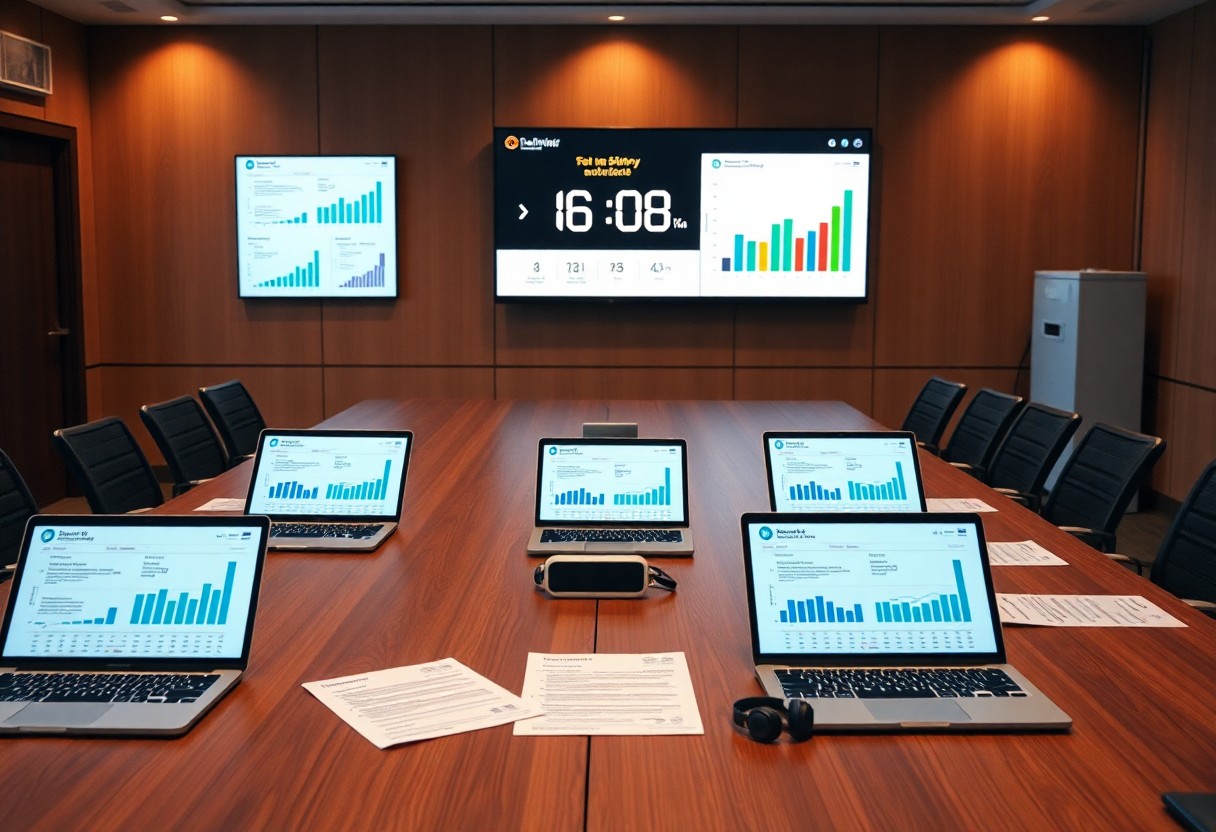
You should measure success by combining quantitative baselines with qualitative signals: collect a pre-redesign baseline over 4 weeks, run an 8-12 week pilot, and compare changes in meeting hours, focus time, and reported stress. Use a control group where possible, set targets like a 20-30% reduction in meeting hours or a 10-point gain in engagement scores, and track sustainability at three and six months to confirm lasting impact.
Key Metrics to Track Mental Well-Being
You should track a short dashboard: average weekly meeting hours, percent of meetings with agendas/outcomes, employee eNPS, and self-reported burnout rate (use a validated single-item tool or WHO-5). Include process metrics like % meetings starting on time and median meeting length; aim for a 20% drop in weekly meeting hours and a 10-point eNPS lift during pilots to signal meaningful change.
Employee Feedback and Satisfaction Surveys
You should run surveys quarterly and after pilots, keeping them to 5-7 focused questions with Likert scales plus one open-ended prompt (e.g., “what meeting practice helped you most?”). Ask about meeting usefulness, psychological safety, and ability to focus; if over 30% report burnout risk, escalate redesign steps and prioritize immediate interventions.
You should design surveys for anonymity, target a response rate above 60%, and break results down by team and role so you can spot problem areas; use pulse surveys every 2-4 weeks during rollout to catch issues early. In one internal pilot, a team with a 65% response rate and actions taken within four weeks cut weekly meeting time by 25% and lowered reported stress by 30%, demonstrating the value of timely, granular feedback.
Conclusion
Hence you can implement WorkWell – Redesigning Meetings for Mental Health to transform meeting culture, reduce stress, and boost focus by setting clear agendas, time limits, intentional breaks, and psychological safety norms; you will foster engagement, protect wellbeing, and improve productivity while measuring outcomes to iterate on practices.
FAQ
Q: What is WorkWell and how does it redesign meetings to support mental health?
A: WorkWell is a meeting framework and toolkit that shifts traditional agendas toward shorter, purpose-driven sessions, clear participant roles, and built-in psychological safety practices. It replaces back-to-back meetings with protected focus blocks, introduces pre-read routines and time-boxed discussion segments, and uses check-ins and structured pauses to reduce cognitive load. By prioritizing agenda clarity, optional attendance for non-important items, and explicit follow-up actions, WorkWell reduces meeting fatigue, lowers stress from ambiguity, and helps teams maintain sustained attention and wellbeing.
Q: How can my team adopt WorkWell without disrupting ongoing projects?
A: Start with a pilot: select one recurring meeting (e.g., weekly team sync) and apply WorkWell rules for 4-6 weeks, including a concise agenda, defined roles (facilitator, timekeeper, note-taker), and a check-in/check-out ritual. Collect quick feedback after each session and adjust durations or participation rules incrementally rather than overhauling everything at once. Use calendar templates and simple norms (no meetings before 10am, 45-min default lengths, mandatory prep materials) so adoption is low-friction and measurable while projects continue uninterrupted.
Q: How does WorkWell measure its impact on mental health and productivity?
A: Measure both quantitative and qualitative signals: track meeting hours per person, number of meetings attended, average meeting length, and percentage of meetings with clear outcomes. Pair those metrics with short wellbeing surveys (weekly pulse on energy, stress, focus) and post-meeting ratings for clarity and psychological safety. Analyze correlations between reduced meeting time or improved meeting quality and changes in reported stress, net productivity (deliverables completed), and employee engagement to validate impact and iterate on the approach.
Leave a Reply