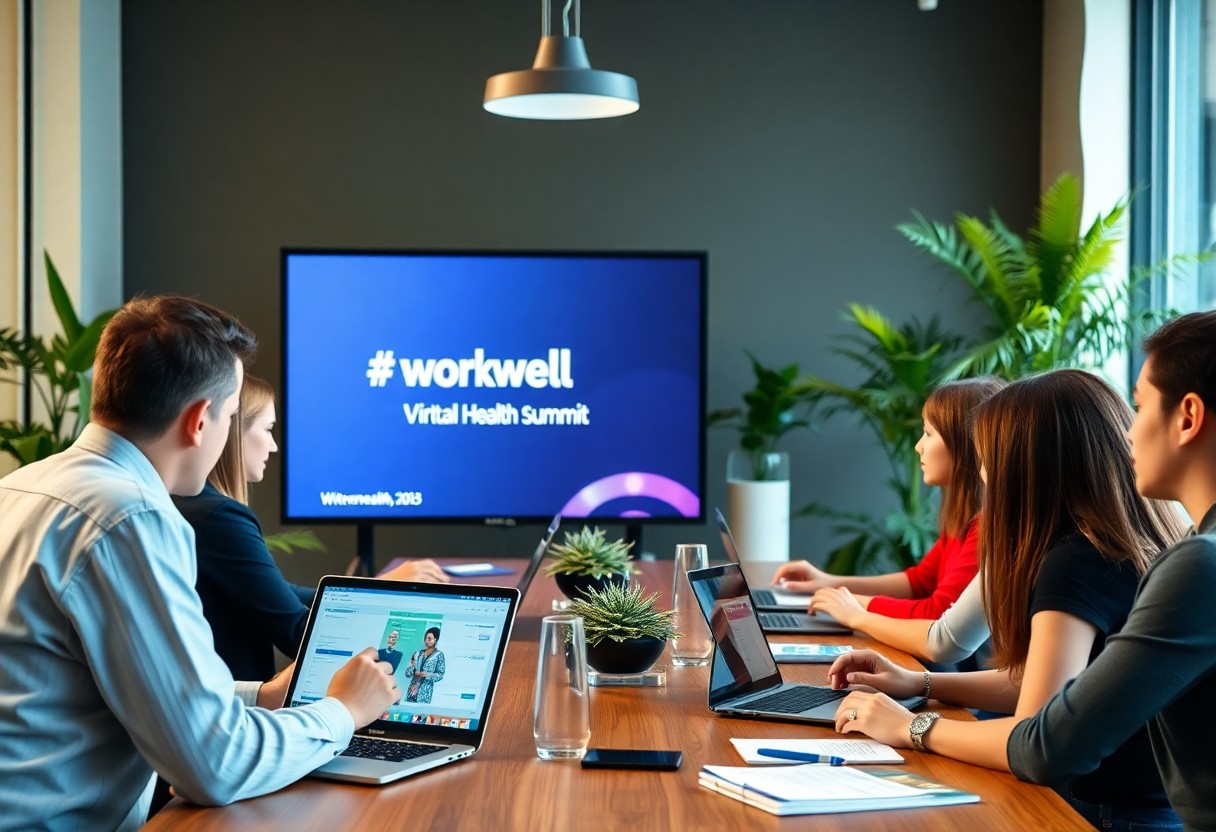
Workplace mental health is vital for your organization’s success and employee well-being. By participating in the Virtual Mental Health Summit hosted by WorkWell, you gain access to expert insights and practical strategies that can enhance your workplace culture. This summit focuses on addressing prevalent challenges, promoting positive mental health initiatives, and fostering supportive environments that empower your team. Join industry leaders and mental health professionals to explore actionable solutions that benefit both your employees and your organization.
Key Takeaways:
- Emphasis on creating a supportive online environment for mental health discussions.
- Engagement through interactive sessions and expert panels to enhance participant involvement.
- Utilization of various digital platforms to maximize accessibility and reach a wider audience.
Importance of Mental Health in the Workplace
Mental health significantly influences your workplace culture, employee satisfaction, and overall productivity. Neglecting mental health can lead to increased absenteeism, decreased morale, and higher turnover rates. When you prioritize mental well-being, it fosters resilience and engagement among employees, creating a more harmonious and efficient environment. Integrated mental health practices not only enhance individual performance but also strengthen the organization as a whole.
The Impact of Mental Health on Employee Performance
Your employees’ mental health plays a pivotal role in their performance. Studies show that individuals dealing with stress or mental health issues tend to exhibit a 25% decrease in productivity. When mental health challenges are addressed proactively, employees are more likely to demonstrate higher levels of creativity, collaboration, and job satisfaction, directly influencing your organization’s success.
Benefits of Fostering a Healthy Work Environment
Creating a healthy work environment leads to numerous benefits, including improved employee morale and retention. Organizations that value mental health report 33% lower turnover rates and increased loyalty among employees. A supportive atmosphere encourages open communication about mental health, leading to proactive measures that enhance overall well-being and productivity.
Investing in a healthy work environment has tangible benefits for both you and your organization. For instance, companies like Google have implemented comprehensive mental health programs, resulting in higher employee satisfaction and engagement scores. When employees feel valued and supported, studies indicate engagement levels can rise by up to 40%. Additionally, companies may experience a decrease in healthcare costs as employees develop healthier coping mechanisms and resilience. By fostering such an environment, you’re not just supporting individual well-being; you’re actively contributing to the long-term success of your organization.
Overview of Virtual Summits
Virtual summits offer a unique platform for hosting large-scale events focused on specialized topics, such as mental health. They leverage online technologies to connect participants from diverse locations, facilitating discussions and training that might not be possible in-person. By engaging attendees through workshops, panels, and interactive sessions, you create an immersive experience. Consider exploring Practice Mental Health First Aid with Virtual Simulations to enhance engagement and skill-building opportunities.
Definition and Purpose
A virtual summit is an online gathering that brings together experts, influencers, and attendees to share insights, resources, and experiences about specific themes. The primary purpose is to foster connection, education, and collaboration among participants, breaking geographical barriers while providing valuable content aimed at enhancing understanding and support of mental health issues.
Key Components of a Successful Virtual Summit
To ensure your virtual summit’s success, key components include engaging content, expert speakers, interactive formats, effective marketing strategies, and comprehensive follow-up resources. These elements not only attract attendees but also enhance their experience, fostering a community that continues beyond the event itself.
Engaging content should resonate with your audience’s interests and needs, providing real-world insights and actionable strategies. Expert speakers, who are knowledgeable and relatable, elevate the summit’s credibility. Interactive formats encourage participation, such as Q&A sessions or polls, keeping viewers engaged. Marketing strategies, including social media campaigns and email outreach, expand your reach and boost attendance. Lastly, providing follow-up resources deepens the learning experience, allowing participants to apply what they’ve learned and sustain connections built during the summit.
Planning the WorkWell Virtual Mental Health Summit
Effective planning is important for the success of the WorkWell Virtual Mental Health Summit. This process involves defining the summit’s vision, selecting the right speakers, and ensuring that all logistical aspects align with your goals for fostering open discussions about mental well-being. Careful attention to detail will create a seamless participant experience and promote a supportive atmosphere.
Setting Objectives and Goals
Establishing clear objectives and goals sets the foundation for your summit. Consider what you want to achieve, such as raising awareness, providing resources, or creating networking opportunities. These objectives will guide your content, ensuring every session aligns with the overall mission to enhance mental health in the workplace.
Choosing the Right Platform and Technology
Selecting an effective platform and technology is fundamental to your summit’s success. You should prioritize tools that facilitate interactive sessions, such as live Q&As, polls, and breakout rooms. Engaging platforms like Zoom, Hopin, or Remo offer functionalities that enhance participant interaction and foster a sense of community, which is vital for mental health discussions.
Research the capabilities of various platforms before making a final decision. For instance, Zoom is widely used for its stability and ease of use, while Hopin allows for larger audiences and more interactivity. Additionally, assess the support available, integration options with other tools, and how user-friendly the platform is for attendees. Prioritize platforms that can accommodate your expected number of participants while offering excellent streaming quality, as a smooth experience encourages engagement and reinforces your summit’s goals.
Engaging Speakers and Experts
Choosing the right speakers for your virtual mental health summit is crucial for captivating your audience and providing valuable insights. You want to engage individuals who not only possess expertise in mental health but also have the ability to communicate effectively and resonate with attendees. Look for speakers who have real-world experience, unique perspectives, and an ability to connect through their storytelling and personal journeys.
Criteria for Selecting Speakers
Consider a few key criteria when selecting speakers for your event. Assess their credentials, including certifications and professional experience in mental health. Prioritize speakers who have previously engaged with virtual audiences and received positive feedback. Their ability to deliver content in an engaging and relatable manner can significantly enhance the event’s impact.
Creating an Inclusive Panel of Experts
Inclusivity is a vital aspect when forming your panel of experts. Bringing together a diverse range of voices ensures that various perspectives on mental health challenges and solutions are represented, fostering a richer conversation. This should include experts from different cultural backgrounds, genders, and professional experiences, addressing the multifaceted nature of mental health.
A diverse panel allows you to reflect the varied experiences of your audience, making the conversation more relatable. For example, including speakers who specialize in different areas, such as youth mental health, workplace stress, and cultural competency in mental health care, enriches the summit’s content. Additionally, actively seeking speakers from underrepresented groups can help challenge stigma and provide representation, ensuring that all attendees feel seen and heard. This approach not only broadens the discussion but can also lead to innovative solutions tailored to diverse populations.
Promoting the Virtual Summit
Effective promotion is vital to ensure high participation rates at your virtual mental health summit. Start by identifying your target audience and tailoring your messaging to resonate with their specific needs and interests. Create compelling content that highlights the benefits of attending, such as expert insights and practical takeaways. Leverage a variety of platforms—from email marketing to partnerships with organizations that share your mission—to maximize reach and engagement.
Strategies for Effective Outreach
Incorporating diverse outreach strategies amplifies your summit’s visibility. Utilize email campaigns to send personalized invitations, while creating shareable content that encourages attendees to spread the word. Collaborate with partners who can endorse your event, boosting credibility and expanding your audience. Consider hosting pre-summit webinars to generate excitement and provide a taste of what’s to come.
Utilizing Social Media and Networking
Social media is a powerful tool for promoting your virtual summit. Create event pages on platforms such as Facebook, LinkedIn, and Instagram to engage with potential attendees. Use targeted ads to reach specific demographics, and leverage hashtags to increase visibility. Engage with your audience by sharing behind-the-scenes content, speaker highlights, and mental health tips, fostering a community around your event.
Networking plays a crucial role in promoting your summit. Connect with industry influencers and organizations that support mental health initiatives; their endorsement can significantly enhance your credibility. Share your summit in relevant online groups and forums, allowing you to tap into communities already invested in the topic. Actively participate in conversations about mental health to showcase your commitment and expertise, making your summit a must-attend event for professionals seeking knowledge and resources in mental wellness.
Measuring Success and Impact
Evaluating the effectiveness of the summit is necessary to justify the resources invested and to inform future events. Success can be measured through attendance rates, participant engagement, and follow-up surveys that assess how well the summit met its objectives. Gathering data on attendee satisfaction and the changes in attitudes towards mental health topics will also provide insights into the event’s overall impact.
Feedback and Evaluation Strategies
Implementing a robust feedback mechanism allows you to gauge participant perceptions and experiences during the summit. Consider using post-event surveys that include both quantitative ratings and qualitative comments. Engage with attendees through live polls during sessions for immediate feedback, which can also inform the flow of discussions and activities.
Long-term Benefits of the Summit
The benefits of hosting a virtual mental health summit extend far beyond the event itself. Participants who engage with the material often experience increased awareness and improved mental health practices in their daily lives. By creating a community around mental health topics, you cultivate networks that continue to share resources and support each other long after the summit concludes.
Moreover, the summit can lead to long-lasting collaborations between mental health professionals and organizations, fostering initiatives that address community needs. For instance, following a successful event, many attendees have launched support groups, aimed at implementing new coping strategies and enhancing overall mental well-being. These initiatives not only cement relationships formed during the summit but also promote ongoing conversations about mental health in your community, encouraging a culture of support and understanding.
Conclusion
Presently, hosting a virtual mental health summit through WorkWell serves as a vital platform for you to engage, educate, and support your community. By prioritizing mental wellness and fostering open discussions, you contribute to a culture that values emotional well-being. Embrace this opportunity to connect with experts, share resources, and empower yourself and others in navigating mental health challenges. Your involvement can make a significant difference in fostering a healthier, more resilient community.
FAQ
Q: What topics will be covered during the WorkWell Virtual Mental Health Summit?
A: The summit will explore a range of topics including stress management, work-life balance, mental health support resources, coping strategies for remote workers, and the importance of mental well-being in the workplace.
Q: How can I register for the WorkWell Virtual Mental Health Summit?
A: Registration can be completed through our website where you can find the registration form. Simply fill out the required information, and you will receive a confirmation email with further details.
Q: Will there be opportunities for networking during the summit?
A: Yes, the summit will include dedicated networking sessions where attendees can connect with speakers, mental health professionals, and other participants to share insights and experiences.
Leave a Reply