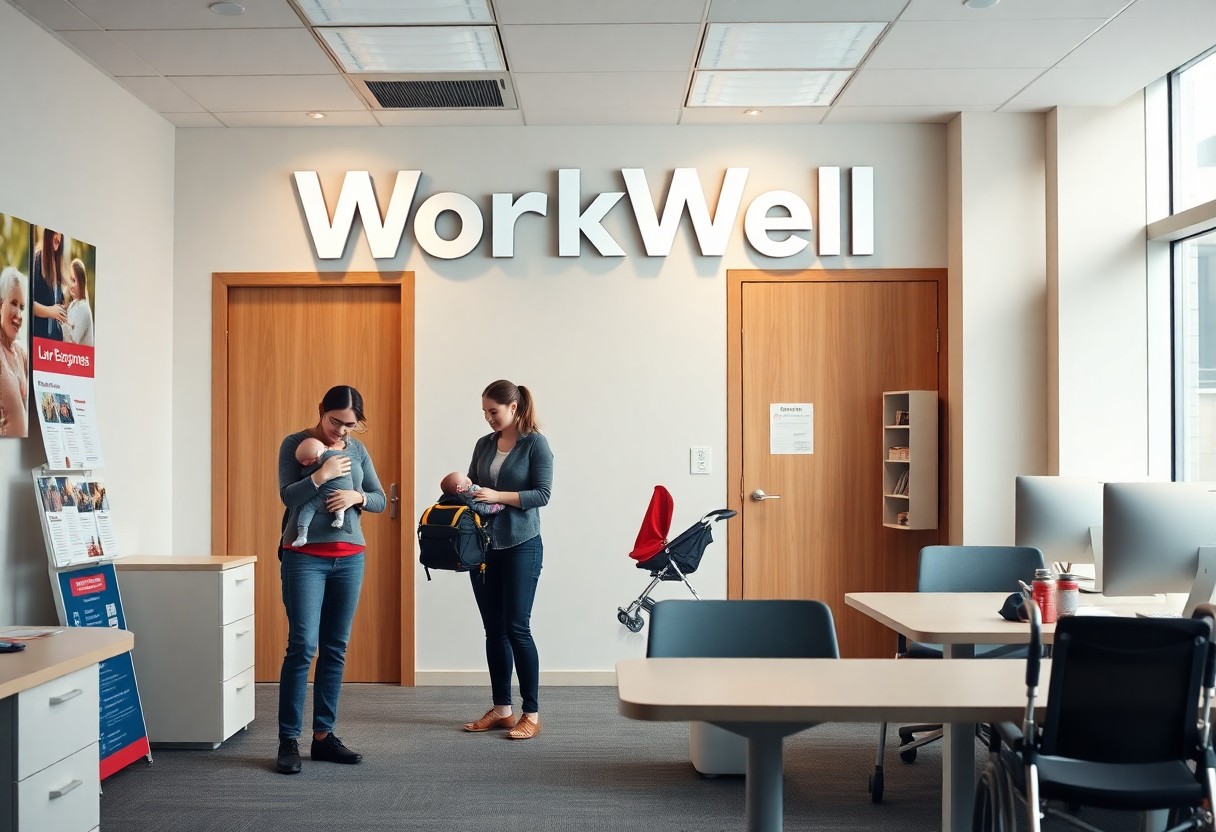
Many caregivers juggle employment and family care, so you must implement policies that reduce burnout and job loss while offering flexible scheduling and paid leave to protect health and retention.
Key Takeaways:
- Workplace policies that include flexible schedules, caregiver leave, and financial assistance lower turnover and absenteeism among employees with caregiving responsibilities.
- Supervisor training on caregiving challenges and clear accommodation processes improves employee productivity and mental well-being.
- Centralized caregiver resources, peer support groups, and access to counseling simplify help-seeking and reduce caregiver stress.
The Economic and Social Reality of Working Caregivers
Caregiving’s economic toll affects your income, career progression and retirement savings; you face higher out-of-pocket costs and lost hours. Many employers lack supportive policies, leaving you at risk of income loss and career setbacks that have long-term social consequences.
Defining the modern caregiver demographic
Demographics show you often balance mid-career work with caring for children or aging relatives; many are women aged 30-64, while rising numbers of men and millennials report caregiving duties, affecting your need for flexible schedules and tailored benefits.
Identifying the primary stressors of dual responsibilities
Stressors include conflicting schedules, unpredictable emergencies and chronic time pressure that force you into unpaid overtime, increasing risk of burnout, missed work and negative health impacts.
Workplaces that lack predictable schedules and clear leave policies leave you balancing urgent care needs against job demands, driving financial strain, reduced productivity and higher turnover; chronic pressure increases your risk of depression and long-term health decline. Employers offering paid leave, flexible hours and caregiver coaching reduce these harms and improve retention for you and your coworkers.
Strategic Advantages of Caregiver Support Programs
Companies offering caregiver support help you manage work and care, easing stress and improving loyalty; explore Work-Life Harmony resources to align benefits with needs and reduce turnover.
Enhancing employee retention and talent acquisition
Retention programs show you are an attractive employer, so candidates prioritize roles with caregiver benefits and you can retain skilled staff more effectively during competitive hiring cycles.
Mitigating productivity loss and presenteeism
Reducing caregiver strain helps you stay focused at work, cuts the frequency of costly presenteeism, and protects overall productivity.
Programs offering flexible schedules, paid leave and caregiver counseling help you reduce unplanned absences and lower presenteeism, preserving team capacity. Research shows such measures can save thousands per employee annually by cutting lost hours and rehiring costs, so you maintain dependable performance and staffing.
Designing Flexible Work Frameworks
Policy should set clear eligibility, core hours, and review cycles so you can balance caregiving and work. Pilot rules to reduce ad hoc decisions, lower burnout, and protect staffing reliability.
Implementing asynchronous schedules and remote options
Asynchronous schedules and remote options let you shift hours around caregiving windows while keeping deliverables visible; use clear response-time policies and expected availability to avoid hidden overtime.
Navigating legal compliance and equitable flexibility
Compliance requires that you align flexible arrangements with employment law, ADA and FMLA obligations, and fair treatment; document decisions to reduce risk of discrimination claims and inconsistent accommodations.
Documentation of offers, denials, and performance metrics helps you defend decisions; regular audits and manager training lower exposure to fines and reputational harm, so keep a written policy and audit trail.
Essential Benefits and Resource Allocation
Benefits should prioritize supports so you access workplace programs; see Supporting caregivers in the workplace for practical models. Offer flexible scheduling, paid leave, and emergency care subsidies to reduce financial and staffing strain.
Paid family leave and emergency care subsidies
You should get clear policies that guarantee paid family leave and accessible emergency care subsidies, so you can manage urgent caregiving without losing income or job security.
Mental health support and specialized counseling services
Access confidential counseling, caregiver-focused EAPs, and crisis lines that provide specialized support to lower your burnout risk and maintain workplace performance.
Counseling offerings should combine short-term therapy, peer support groups, and clinician referrals so you receive targeted help for grief, chronic stress, or behavioral challenges; employer-funded teletherapy and confidential specialized counseling reduce stigma, enable timely crisis response, and protect your wellbeing and job stability.
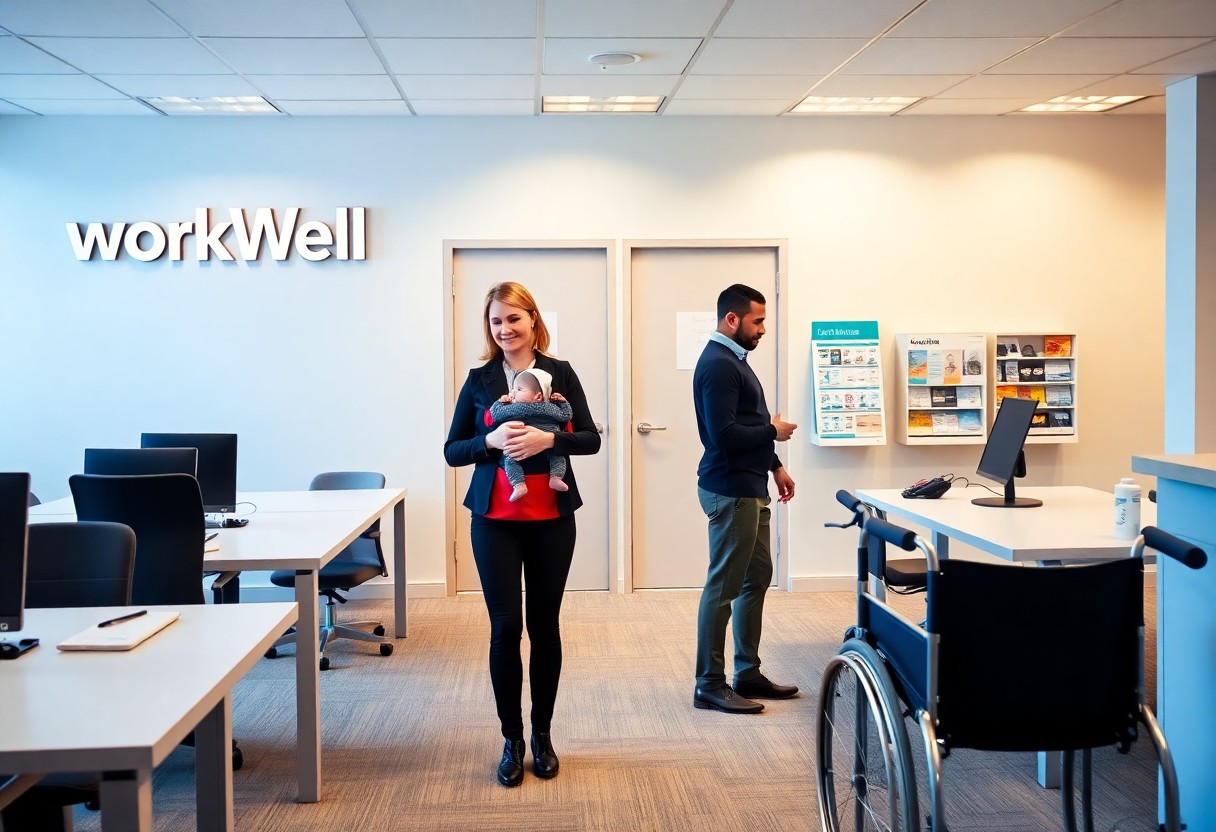
Building a Care-Inclusive Organizational Culture
Culture shifts when you adopt policies that normalize caregiving, provide flexible options, and train leaders to respond with empathy, prioritizing psychological safety and clear leave policies to reduce stigma, improve retention, and lower burnout.
Leadership advocacy and manager sensitivity training
Managers who complete sensitivity training make practical adjustments so you can balance work and care without penalty while emphasizing consistent communication and responsive policies that reduce stress and cut turnover.
Establishing Caregiver Employee Resource Groups (ERGs)
ERGs connect you with colleagues facing similar challenges, offering peer advice, resource sharing, and advocacy channels that create safe spaces to improve morale and reduce isolation.
Membership in ERGs gives you access to mentorship, curated benefits information, and emergency caregiving plans; you can propose policy changes, track outcomes with HR, and join subcommittees for communication, events, and legal guidance to ensure confidential support and measurable wins that lower absenteeism and protect career progression.
Evaluating Program Success and Long-term ROI
Measuring success connects caregiver support to reduced turnover, lower absenteeism and clear cost savings, letting you demonstrate long-term ROI and target resources where outcomes and employee wellbeing improve.
Key performance indicators for caregiver engagement
Track participation rates, utilization of services, caregiver retention and productivity changes so you can quantify impact; prioritize KPIs like service uptake and reduced absenteeism to show program value.
Utilizing employee feedback to refine support strategies
Ask caregivers for regular feedback on services, barriers and outcomes so you can adjust programs; prioritize actions tied to reduced stress and clear participation gains.
Collect detailed feedback through surveys, focus groups and exit interviews, analyze trends by caregiver role and caregiving intensity, then you prioritize and implement high-impact suggestions-such as flexible scheduling or expanded counseling-to deliver measurable wellbeing gains and reduce the risk of burnout.
Conclusion
Presently you can use WorkWell’s flexible schedules, paid leave options, and manager training to manage caregiving without sacrificing career progress, ensuring predictable support, reduced stress, and clearer expectations for both you and your employer.
FAQ
Q: What is WorkWell – Supporting Caregivers at Work?
A: WorkWell is a workplace program that helps employees who provide unpaid care to children, aging relatives, or adults with disabilities. The program combines flexible scheduling, caregiver-specific leave policies, benefits navigation assistance, short-term counseling, and referrals to vetted community services. The offer includes manager training on common caregiver issues, access to a dedicated caregiver support coordinator, and a digital resource portal with checklists, how-to guides, and local service directories. Employers can choose modular service levels-examples include employer-funded backup care, paid caregiver leave, virtual consultations with care specialists, and subsidized respite options.
Q: Who is eligible for WorkWell services and how do employees access them?
A: Eligibility is typically open to all employees who are primary or secondary caregivers for family members, including parents, partners, children, or adult dependents with chronic conditions. Employees access services by self-enrolling through the WorkWell portal, contacting the caregiver support coordinator by phone or email, or requesting a referral from HR or a benefits administrator. Scheduling options support both during-work adjustments and after-hours consultations, and supervisors receive clear protocols for approving flexible schedules and leave requests. Cost models vary by employer and can include fully sponsored services, partial subsidies with employee co-pays, or integration with existing benefit dollars and external reimbursement programs.
Q: How does WorkWell protect employee privacy and integrate with existing HR policies?
A: WorkWell stores caregiving-related records separately from general personnel files and applies applicable health privacy and employment-law safeguards. Caregiver conversations with counselors and coordinators remain confidential and are only disclosed to HR or managers with explicit employee consent or when legally required. Integration with HR covers mapping caregiver leave to paid time-off systems, aligning eligibility with benefit plans, and providing managers with written procedures for accommodations and approvals. Program reporting is delivered as anonymized aggregate metrics-examples include changes in absence rates, caregiver retention, and employee-reported work-life balance-so employers can measure impact without exposing individual identities.
Leave a Reply