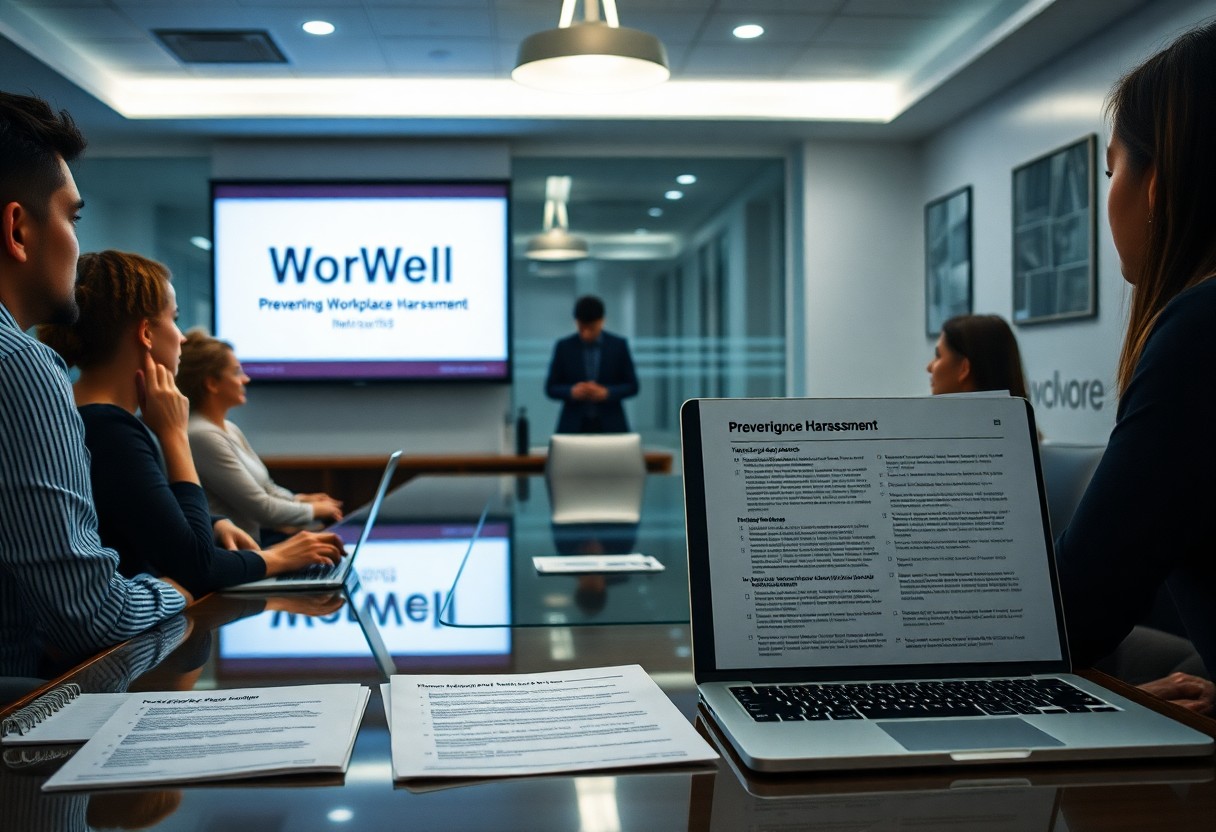
There’s clear guidance to help you recognize and stop workplace harassment, highlighting danger signs, legal risks, and reporting steps so you can protect colleagues and enforce a zero-tolerance policy.
Key Takeaways:
- Clear anti-harassment policies and regular scenario-based training define unacceptable conduct and outline reporting procedures.
- Multiple confidential reporting channels and prompt, impartial investigations with anti-retaliation protections increase reporting and trust.
- Visible leadership commitment and consistent enforcement of consequences hold individuals accountable and reinforce respectful workplace behavior.
Defining Workplace Harassment: Legal and Ethical Frameworks
You must apply legal definitions and ethical duties to distinguish harassment by assessing intent, effect, context, and repeated conduct; prioritize the harmful impact on safety and dignity when deciding response and policy.
Distinguishing Harassment from Performance Management
Managers should separate harassment from performance issues by documenting behavior, using objective standards, and communicating expectations; you must avoid treating conflicts or feedback as harassment without evidence to prevent unnecessary escalation.
Protected Characteristics and Regulatory Compliance
Laws require you to protect protected characteristics such as race, sex, disability, religion, and age; ensure your policies meet regulatory compliance and reporting duties to reduce legal risk and uphold workplace equality.
Employers must audit policies to identify gaps protecting protected groups, train staff on reporting procedures, and maintain timely investigations; you should track compliance metrics, document accommodations, and consult legal counsel when claims implicate multiple statutes or carry high litigation risk.
The Organizational Impact of Workplace Misconduct
Misconduct drains budgets and morale, forcing you to absorb lost productivity, higher turnover, and disrupted teamwork that undermine performance and growth.
Psychological and Professional Costs to Employees
Employees who endure harassment suffer anxiety, missed promotions, and reduced engagement, leaving you to address higher absence rates and declining retention.
Liability Risks and Corporate Reputation
Companies facing misconduct allegations attract lawsuits, regulatory probes, and public backlash, exposing you to reputational damage and financial penalties that harm customer trust.
Legal consequences can include class actions, punitive damages, and protracted investigations, costing you large settlements, mounting legal fees, and lost business while media scrutiny amplifies reputational harm.
Response Mechanisms and Investigative Procedures
Response systems must give you clear reporting channels, confidentiality, and prompt action; ensure every report triggers a documented, timebound investigation with trained staff and a guarantee of no-retaliation.
Ensuring Impartiality and Due Process
Investigations must protect your rights by using impartial, evidence-based procedures, giving both parties access to evidence, clear timelines, and a structured appeal process to preserve fairness and credibility.
Remedial Actions and Victim Support Systems
Support should connect you to medical and counseling resources, safety planning, workplace adjustments, and swift disciplinary measures when warranted to restore safety and trust.
Follow-up should include ongoing case monitoring, clear return-to-work plans, and options for legal referrals or paid leave; you must receive regular updates, confidentiality protections, and access to restitution or corrective training to prevent recurrence and reinforce organizational accountability.
Cultivating a Culture of Respect and Inclusivity
You model inclusivity by enforcing clear policies, addressing misconduct promptly, and rewarding respectful behavior, creating a workplace where harassment is unacceptable and psychological safety guides daily interactions.
Leadership’s Role in Modeling Professionalism
As a leader, you set the tone through consistent conduct, transparent decisions, and swift action on complaints; your visible adherence to professional standards reduces risk and models acceptable behavior.
Promoting Active Allyship and Bystander Intervention
Practice active allyship by intervening safely, documenting incidents, and reporting patterns; your actions signal that harassment will be challenged and protect colleagues.
When you witness misconduct, choose safe interventions-distract, delegate, delay, or directly address behavior when safe-and document details for reporting. Report through confidential channels, support affected colleagues, and escalate to HR or security if you perceive threats; your documented action can prevent recurrence and reduce legal risk.
Summing up
You rely on WorkWell to prevent workplace harassment; hence the program provides clear policies, staff training, confidential reporting, and swift enforcement to protect staff and maintain a respectful workplace.
FAQ
Q: What is WorkWell – Preventing Workplace Harassment and who does it apply to?
A: WorkWell is a company-wide program that defines harassment, sets behavioral expectations, and outlines reporting and response procedures to maintain a safe workplace. The policy covers all forms of prohibited conduct, including sexual harassment, unwelcome verbal or physical conduct, bullying, and harassment based on protected characteristics such as race, sex, religion, age, disability, or national origin. The program applies to employees at every level, contractors, interns, volunteers, vendors, clients, and visitors while they interact with the organization or its representatives in person, online, or at work-related events. The policy includes examples of misconduct, clarifies the difference between joking and harassment when conduct is unwelcome, and states that retaliation against anyone who reports or participates in an investigation is prohibited and will result in discipline.
Q: How do I report harassment under WorkWell and what happens after I report?
A: Employees may report concerns through multiple channels: direct supervisor, HR, a designated hotline or email, or an anonymous reporting portal if available. Reports should include dates, times, locations, names of involved parties, witnesses, and any supporting evidence such as messages or photos. Upon receipt, the organization will assess the report, implement interim measures if needed to protect parties and witnesses, and open a fair, timely, and impartial investigation led by trained investigators. Investigations follow confidentiality protocols to the extent possible while allowing necessary fact-finding, and all parties will be informed of next steps. If the investigation substantiates misconduct, corrective action will be applied based on policy, ranging from mediation and training to discipline up to termination. The company enforces a strict no-retaliation policy and will investigate and discipline retaliatory behavior against reporters or witnesses.
Q: What prevention steps does WorkWell recommend for managers and employees, and how does the company measure program effectiveness?
A: Managers must communicate the policy clearly, model respectful behavior, respond promptly to reports, and ensure complainants and witnesses receive appropriate support and interim protections. The organization schedules regular training for all staff with role-specific modules for supervisors, includes scenario-based exercises, and provides resources such as bystander intervention guidance and access to counseling or employee assistance programs. HR conducts periodic risk assessments, reviews incident trends, and updates policies to reflect legal changes and workplace realities. Program effectiveness is measured through metrics such as training completion rates, number and outcomes of reports, time-to-resolution, results from anonymous climate surveys, and follow-up checks after corrective actions. The company uses these indicators to adjust prevention strategies, close gaps in reporting channels, and improve trust in the process.
Leave a Reply