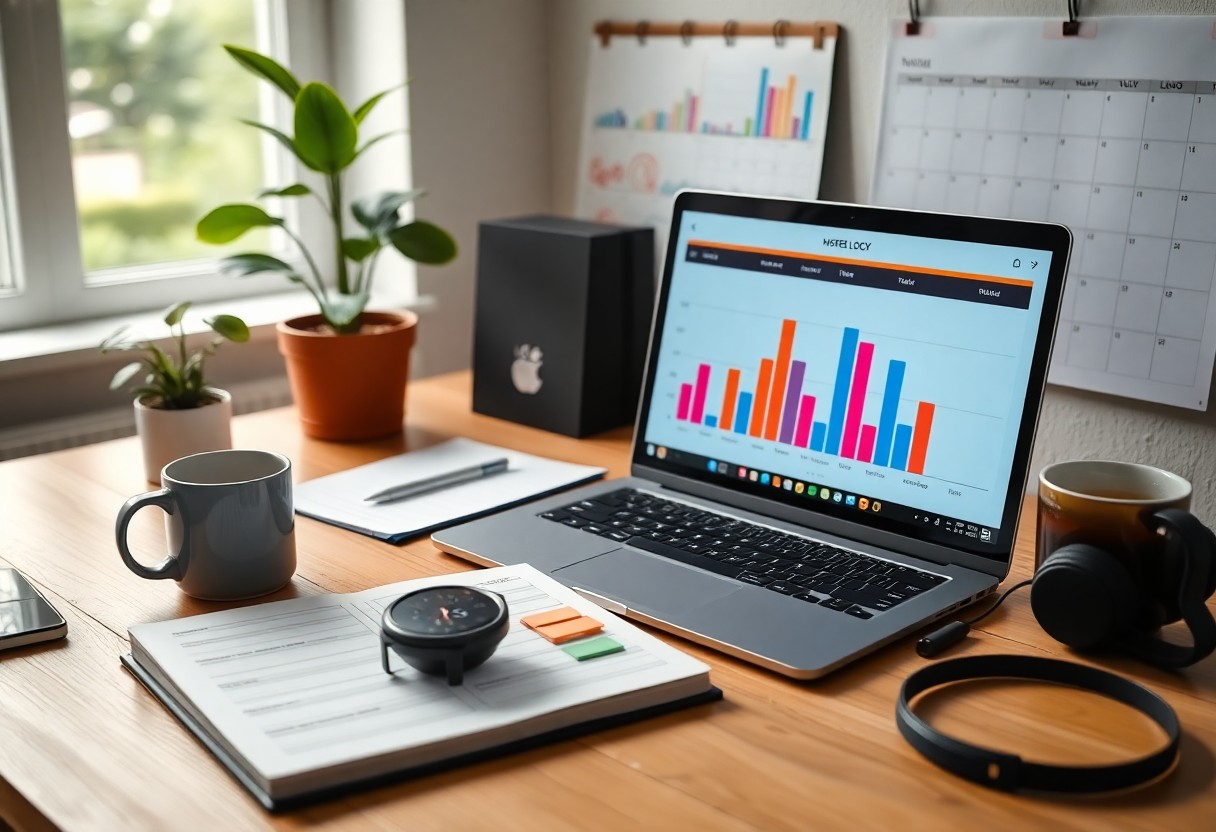
Many people treat calendars as solutions, but you get better results when you manage your energy, not just your time, aligning tasks to natural peaks so your best work happens when you’re most alert; neglecting this invites burnout, reduced creativity, and errors, while deliberate energy management delivers sustained focus and higher-quality output so you work smarter, not longer.
Key Takeaways:
- Manage energy instead of just time: schedule high-focus work for peak energy periods and save routine tasks for low-energy windows.
- Prioritize recovery rituals-short breaks, movement, sleep, and nutrition-to restore capacity and sustain performance throughout the day.
- Design work around biological rhythms and clear boundaries: batch similar tasks, delegate when energy is low, and set explicit start/stop routines.
Understanding Energy Management
When you map your work to biological rhythms, you exploit predictable patterns: 90-120 minute ultradian cycles, the mid-afternoon dip around 1-3 pm, and sleep-driven circadian highs. Research shows your brain consumes about 20% of resting metabolic energy, so cognitive effort depletes resources faster than routine tasks. Use these facts to plan high-focus work during your top windows, reserve low-energy slots for administrative duties, and protect recovery with brief breaks or naps.
The Science of Energy Levels
Research on sleep and performance gives precise levers: a 26-minute nap improved pilot performance by ~34% in NASA studies, while shorter breaks restore vigilance more effectively than extended, unfocused downtime. Neurochemistry shifts-glucose availability and neurotransmitter recycling-drive attention; drops impair decision quality. You can track objective markers (sleep hours, hydration, blood glucose trends) and subjective ratings to predict when your cognitive capacity will peak or crater.
Distinction Between Time Management and Energy Management
Time management treats hours as equal; energy management treats them as variable currency. Instead of forcing a 9-5 rhythm, you schedule analytical tasks during your top 90-120 minute peaks and routine email during troughs. For example, swap the typical Pomodoro 25/5 for focused 90-minute blocks when tackling complex modeling, then use short recovery breaks to replenish. That alignment reduces errors and preserves stamina across the day.
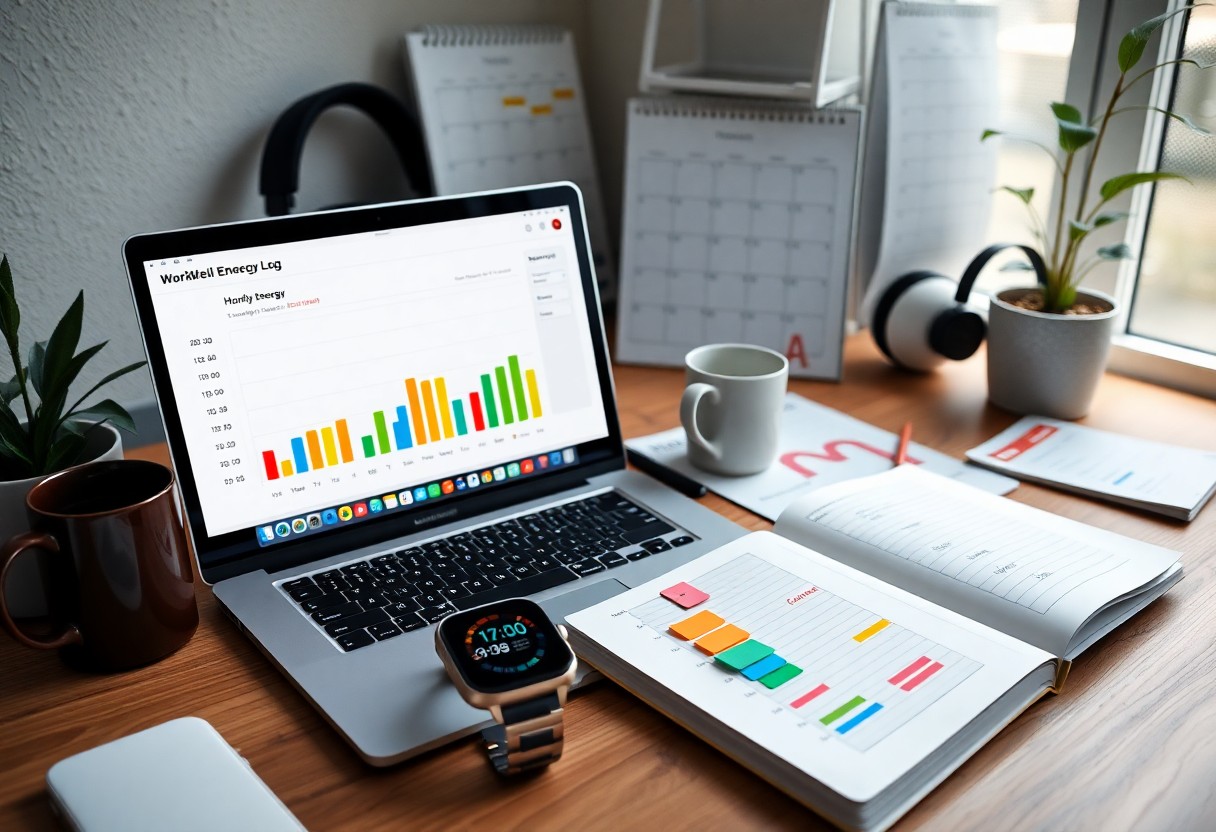
To implement, track your energy for 14 days by rating it hourly on a 1-5 scale and noting task types; then assign your top 2-3 daily tasks to the highest-rated hours. Build recovery into the plan: 20-30 minute breaks, micro-exercise, or a brief nap after a long focus block. Ignoring cycles elevates risk of mistakes and burnout, so treat energy signals as scheduling data rather than excuses.
Identifying Personal Energy Patterns
You can map your energy by logging daily peaks and valleys for at least 14 days, noting sleep, meals, and task types; many people show 90-minute ultradian cycles and common peaks around 9-11am or 4-6pm, but your pattern may differ. Use that data to align demanding tasks with high-energy windows and schedule breaks before drops to reduce burnout risk, turning raw observations into a predictable weekly plan.
Self-Assessment Techniques
You should rate energy on a 1-10 scale each hour or after major tasks, combine subjective mood notes with objective markers like sleep hours and caffeine intake, and perform a 15-minute daily reflection to improve accuracy. Try short prompts-time, activity, energy level-to collect consistent data; over two weeks you’ll start seeing correlations between task types and performance that you can act on immediately.
Tools for Tracking Energy Levels
You can use apps (Daylio, RescueTime, Exist), wearables (Oura, Apple Watch) for sleep and heart-rate trends, or simple spreadsheets; include HRV and sleep duration where possible since physiological metrics often precede subjective drops. Protect sensitive data and prefer tools that export CSV so you control analysis; combine at least two sources-self-ratings plus a wearable-for the most reliable picture.
One practical workflow is pairing Oura HRV/sleep data with Daylio mood entries and a weekly spreadsheet: columns for date, time, energy (1-10), activity, sleep hours. After 2-3 weeks, run simple averages by time block; for example, an engineer who shifted deep work to 9-11am reported a 20% productivity increase. Small, repeatable routines like this reveal actionable patterns fast.
Strategies for Energy Optimization
You should align tasks to energy: map your week by tracking focus levels for two weeks, block deep work during consistent peaks, and reserve shallow tasks for low-energy periods. Use the 90-minute ultradian rhythm to structure sprints and breaks, experiment with 10-20 minute naps or movement breaks, and review outcomes weekly so you can refine what boosts your output and wellbeing.
Scheduling Around Energy Peaks
If you’re a morning type, block 9-11 AM for your hardest work; night owls may reserve 7-10 PM for creative tasks. Track your focus on a 1-5 scale for 14 days to identify patterns, then protect those windows by muting notifications and declining meetings. Many people experience an early-afternoon dip-so schedule collaborative or routine tasks around 2-4 PM rather than demanding cognitive work.
Incorporating Rest and Recovery
You’ll benefit from short, regular recovery: take 5-10 minute microbreaks every 60-90 minutes, a 10-20 minute nap when needed, and prioritize 7-9 hours of sleep nightly. Chronic under-recovery raises error rates and burnout risk, so build these pauses into your calendar as non-negotiable appointments rather than optional pauses.
For deeper recovery, try a 15-minute post-sprint ritual: stand, hydrate, and do light movement or breathing for 3-5 minutes, then disengage from screens. Implementing a weekly longer recovery-like a 30-60 minute low-intensity activity or social time on Sundays-helps reset your baseline energy. Consistent recovery practices prevent escalating fatigue and sustain high-quality performance over months, not just days.
Environmental Factors Impacting Energy
- Lighting
- Noise
- Temperature
- Air quality
- Ergonomics
- Biophilia
You feel immediate shifts in energy when lighting, noise and air quality change; for example, task illuminance of 300-500 lux improves focus, while sustained noise above 45 dB degrades concentration and raises stress hormones. Adjusting temperature to the 20-24°C band and adding plants can cut perceived fatigue and boost alertness; see research summarized in Manage Your Energy, Not Your Time. Recognizing how small environmental tweaks compound over a day helps you protect peak performance.
Workplace Design and Atmosphere
You benefit from design that matches tasks: allocate quiet zones for deep work and collaborative areas for meetings, use 300-500 lux at desks and 4,000 K lighting for alertness, and keep ambient noise under 45 dB. Ergonomic chairs and sit-stand desks cut musculoskeletal fatigue, and adding natural elements or daylight increases reported productivity by noticeable margins; when you control sightlines and glare, interruptions and eye strain fall sharply.
The Role of Nutrition and Hydration
You get measurable cognitive returns from steady fuel: the brain consumes about 20% of resting energy, and losing 1-2% body water impairs attention and working memory. Favor a breakfast with 20-30 g protein and low-GI carbs, hydrate before long meetings, and avoid high-sugar spikes that lead to postprandial dips within 30-90 minutes.
Practical steps you can apply: start your day with 20-30 g protein (eggs, Greek yogurt, a protein shake), snack every 3-4 hours combining protein and fiber (nuts, hummus with veg), and aim for 1.5-2 L water daily or ~30-35 ml/kg body weight. Limit caffeine to about 200-300 mg before mid-afternoon to avoid sleep disruption, prefer whole-food carbs to steady glucose, and schedule short hydration breaks-these habits reduce afternoon errors and sustain vigilance during long tasks.
Balancing Work and Life for Energy Sustainability
You should align tasks to your natural energy: use 90-minute ultradian cycles for deep work, reserve low-energy windows for email, and protect at least one 2-hour daily recovery like exercise or meditation. Applying a 25-minute Pomodoro pattern for focused bursts plus a 10-15 minute break helps sustain attention across the day, and avoiding work past eight hours most days prevents the steep drop in decision quality many studies note.
Setting Boundaries and Priorities
Start each week by selecting three MITs and blocking two uninterrupted deep-work periods for them; place meetings only in your low-energy slots and create a visible end-of-day cutoff on your calendar. Use the 80/20 rule to eliminate tasks that deliver little value, say no to non-necessary meetings, and communicate clear response windows so colleagues know when you’re available versus charging your battery.
Leveraging Support Systems
You should offload routine work by delegating or automating roughly 20-30% of your tasks, tapping teammates for specific deliverables and using tools like shared templates, calendar assistants, or EAP and telehealth benefits. Engaging family for evening childcare swaps or subscribing to grocery delivery directly frees predictable time blocks, reducing evening cognitive drain and lowering your personal risk of prolonged burnout.
Perform a 7-day task audit to identify delegatable items, label each as “keep,” “delegate,” or “automate,” and set an immediate goal to delegate one repeatable task per week until you reach that 20-30% threshold. Train a backup with a 30-minute SOP video, schedule a weekly 20-minute triage meeting to redistribute work, and use shared dashboards so you can reclaim focused energy without losing oversight.
Measuring Success in Energy Management
You quantify progress by combining subjective logs and objective outputs: use a daily 1-10 energy rating, map it to 90-minute ultradian peaks, and compare focused-work minutes week-to-week; teams that align tasks to peaks often see a 20-30% output increase. Use tools like timers and calendars, and consult visual summaries such as Manage Your Energy, Not Your Time: A Visual Summary of Key Shifts to spot patterns and avoid scheduling deep work in low-energy windows.
Setting Goals and Metrics
You set concrete targets: aim for three 60-90 minute focused sessions per day, reduce reactive email time to under 45 minutes, and increase uninterrupted deep-work hours by 2 per week. Track error rates, task completion counts, and subjective energy scores; a baseline of 2 weeks, then monthly reviews, reveals if a 15-25% improvement in output is realistic for your role.
Adapting Strategies Over Time
You run short experiments: swap meetings to mornings for 2-4 weeks, measure changes with a 4-week rolling average, and A/B test routines to see what raises your energy mean. Emphasize small wins-if a change reduces context switches by 30% or adds 90 focused minutes weekly, scale it and label less effective tactics as low-return.
To iterate, document a 14-day baseline of energy and output, implement one change for 28 days, then compare metrics: focused minutes, task completion rate, and subjective energy mean. For example, a marketing lead moved all status meetings to Mondays and regained 1.5-2 hours of deep work weekly, while errors dropped ~35%; replicate with clear hypotheses, one variable at a time, and stop changes that increase fatigue or lower your peak-time productivity.
Conclusion
Taking this into account, you should shift focus from tracking hours to tuning your energy with WorkWell – Managing Energy, Not Just Time; by aligning tasks to your peaks, balancing rest, and setting boundaries you increase productivity sustainably, improve your wellbeing, and make better decisions about workload and priorities, enabling you to perform consistently rather than merely fill time.
FAQ
Q: What is “WorkWell – Managing Energy, Not Just Time” and how does it differ from traditional time management?
A: WorkWell shifts the focus from filling calendar slots to aligning work with fluctuating physical, mental and emotional energy. Instead of assuming a steady attention supply, it maps personal energy rhythms (circadian and ultradian cycles) and task energy demands, then matches high-focus, creative or high-stakes tasks to peak-energy windows while scheduling routine or administrative work for lower-energy periods. The result is higher-quality output, fewer errors, less fatigue and lower burnout risk because tasks are performed when capacity to do them well is highest rather than only when a time slot exists.
Q: How do I assess and track my energy levels with WorkWell?
A: Start with an energy audit over 7-14 days: log time of day, task type, perceived energy before and after each task (simple 1-5 scale), sleep duration/quality, meals, movement and stressors. Optionally integrate wearable or phone metrics (heart rate variability, step count, sleep stages) and calendar events. After collecting data, identify recurring peaks and troughs, energy drains (long meetings, heavy multitasking) and boosts (short walks, focused sprints). Use those patterns to define daily energy windows-e.g., morning creative peak, midafternoon slump-and create a template schedule that places demanding work in peak windows and recovery or low-cognitive tasks in troughs.
Q: What practical strategies does WorkWell recommend to boost and conserve energy for sustained productivity?
A: Use short evidence-based habits: 1) Align tasks to energy type-creative/problem-solving in peaks, admin in lows; 2) Work in 60-90 minute focused sprints followed by 10-20 minute recovery breaks to respect ultradian rhythms; 3) Build micro-recovery practices-hydration, 3-5 minute stretching, deep breathing, natural light exposure; 4) Manage sleep, nutrition and movement-prioritize consistent sleep, protein-rich meals spaced to avoid energy crashes, and brief activity breaks every hour; 5) Limit stimulants late in the day and time caffeine to avoid rebound fatigue; 6) Create rituals to signal deep work (single-task mode, phone on Do Not Disturb, ambient cues); 7) Optimize environment-reduce cognitive friction (minimal notifications, clear workspace) and use tools that batch notifications; 8) Delegate or outsource tasks that disproportionately drain energy; 9) Build an energy budget for the week with at least one recovery day or half-day; 10) Track outcomes (task quality, subjective energy, focus duration) and iterate the schedule every 1-2 weeks to refine alignment between tasks and energy patterns.
Leave a Reply