
There’s clear evidence that when you train managers to recognize stress and provide support, you prevent burnout, reduce absenteeism, and improve retention and productivity while lowering legal and safety risks.
Key Takeaways:
- Program trains managers in practical skills to recognize signs of distress, hold supportive conversations, and connect employees to Employee Assistance Programs or mental health services.
- Manager participation reduces stigma, increases early intervention, and helps improve employee wellbeing, engagement, and attendance.
- Includes policy guidance, confidentiality best practices, and measurement tools to monitor outcomes and guide ongoing improvements.
Identifying Behavioral Indicators of Distress
Observe shifts in mood, social withdrawal, erratic attendance, or sudden irritability; you should note patterns since isolated incidents differ from persistent distress. Offer private check-ins and document observations to support timely help.
Recognizing Performance Fluctuations and Withdrawal
When you spot falling output, missed deadlines, or social withdrawal, ask privately-performance dips can signal distress, not laziness. Track patterns and offer clear accommodations to reduce harm.
Distinguishing Between Acute Stress and Chronic Burnout
Acute stress brings sudden anxiety, sleep disruption, or short-term performance dips; burnout reflects prolonged exhaustion, cynicism, and reduced efficacy. You should treat persistent patterns as high-risk and escalate supports.
Compare timelines: acute stress often eases after rest or a private check-in, while burnout requires workload changes, sustained support, and sometimes clinical referral. You should monitor recovery time and adjust interventions accordingly.
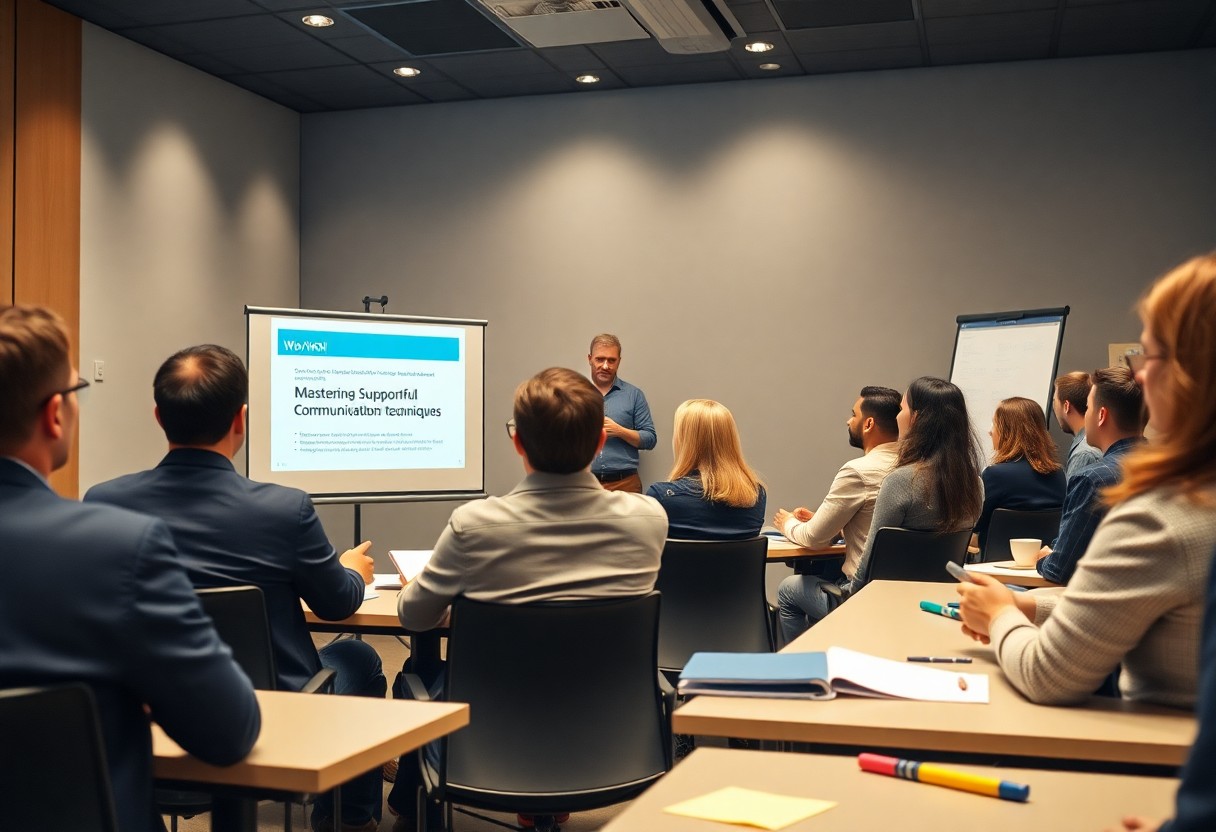
Mastering Supportive Communication Techniques
Practice concise, empathetic phrasing when addressing mental health; you should use clear, nonjudgmental questions, offer confidential next steps, note risk indicators, and avoid assumptions that undermine trust.
Frameworks for Initiating Sensitive Conversations
Use scripted frameworks like Ask-Listen-Support to open sensitive conversations; you should state observations, ask open questions, and propose concrete next steps to protect well-being.
Active Listening and De-escalation Strategies
Listen without interrupting, reflect feelings, validate experience, and ask clarifying questions; you should monitor signs of acute distress and secure immediate help when risk appears.
Focus on paraphrasing, mirroring, calibrated silence, and grounding prompts to lower arousal; you should maintain a calm tone, neutral body language, and short sentences. Watch for suicidal ideation or threats of harm and act quickly-activate emergency or HR protocols if danger is present. Balance support with boundaries: set follow-up steps, document concerns, and connect the person to licensed professionals to protect emotional safety and trust.
Implementing Practical Workplace Adjustments
Managers should offer timely changes so you can maintain performance and wellbeing, such as adjusted schedules, temporary duties, or remote days to reduce stress and prevent burnout.
Tailoring Workloads and Flexible Arrangements
Adjusting workloads lets you match tasks to capacity; offer flexible hours, reduced deadlines, or job-sharing so you can manage stress and preserve productivity.
Navigating Disclosure and Confidentiality Protocols
Protecting sensitive disclosures requires you to get explicit consent, limit access to records, and follow HR policies so privacy and legal risk are managed.
Clarify how you will handle information, specifying who sees what, obtaining written permission, and keeping clear logs; training supervisors on confidential procedures reduces the chance of accidental exposure.
Cultivating a Resilient Team Culture
Teams thrive when you model openness and set psychological safety, lowering burnout risk. Use practical tools like A Toolkit for City of New York Managers and Supervisors to guide conversations and policies that build lasting trust.
Normalizing Mental Health Advocacy in Daily Operations
Daily routines should include brief check-ins so you normalize help-seeking and reduce stigma; visible resources and micro-habits create consistent support and lower barriers to care.
The Importance of Managerial Self-Care and Boundaries
Setting clear limits lets you sustain leadership and model healthy behavior; protecting downtime reduces overload and preserves decision quality for your team.
You can schedule protected focus blocks, delegate nonimperative tasks, and set explicit after-hours communication rules so expectations are clear; these steps reduce chronic stress, improve your judgment, and make you a credible advocate for team wellness. Seek peer supervision or EAP resources when signs of burnout appear to address risks early.
Summing up
The WorkWell program gives you clear guidance, practical tools, and measurable steps to support team mental health so you can spot signs early, respond appropriately, and sustain consistent manager-led care.
FAQ
Q: What is WorkWell – Manager Support for Mental Health?
A: WorkWell is a manager-facing program that provides training, tools, and protocols to help managers identify and respond to team mental health needs. The program includes on-demand training modules, conversation scripts, risk-assessment checklists, referral pathways to EAP and clinical services, guidance on reasonable accommodations, and dashboards that show anonymized team wellbeing indicators. Content is customizable for industry, role, and local legal requirements. The program also contains crisis response procedures, manager coaching sessions, and materials for group-level interventions such as team check-ins and workload reviews.
Q: How should managers implement WorkWell with their teams?
A: Managers begin by completing a short mandatory orientation that covers signs of distress, how to open supportive conversations, and immediate safety actions. Follow-up consists of weekly microlearning modules, coached role-play, and access to templated conversation guides and documentation forms for one-on-ones. Integrate WorkWell into recurring 1:1 agendas and performance conversations, establish clear private pathways for disclosures, and use the program’s step-by-step referral workflow when clinical support or accommodations are needed. HR and program administrators should run quarterly reviews of usage metrics, case outcomes, and training completion to refine local procedures.
Q: What privacy, legal, and measurement practices are built into WorkWell?
A: The program stores sensitive information in accordance with applicable privacy laws such as GDPR, HIPAA, or relevant local statutes and restricts access to authorized personnel only. Aggregate analytics are shared with managers without identifiable employee data; individual case notes remain with HR or clinical partners under confidentiality rules and are shared only with employee consent or when required by law. Managers must follow duty-to-warn protocols and consult legal or HR immediately if there is imminent risk of harm. Recommended metrics for evaluating impact include manager training completion, frequency of supportive conversations, referral uptake, short-term absence rates, anonymous employee psychological safety scores, and time-to-resolution for accommodation requests. A quarterly review cycle with employee feedback supports program adjustment and cost-benefit assessment over a 6-18 month period.
Leave a Reply