
Over time you set clear, actionable goals to improve wellbeing at work: define measurable targets, mitigate burnout risks, and track progress to sustain balance and productivity.
Key Takeaways:
- WorkWell aligns individual goals with wellbeing metrics, promoting balanced objectives across mental, physical, and social domains.
- The framework emphasizes short-term micro-goals, measurable targets, and regular check-ins to track progress and sustain habit change.
- Manager coaching and peer support increase accountability and create a psychologically safe environment for wellbeing conversations.
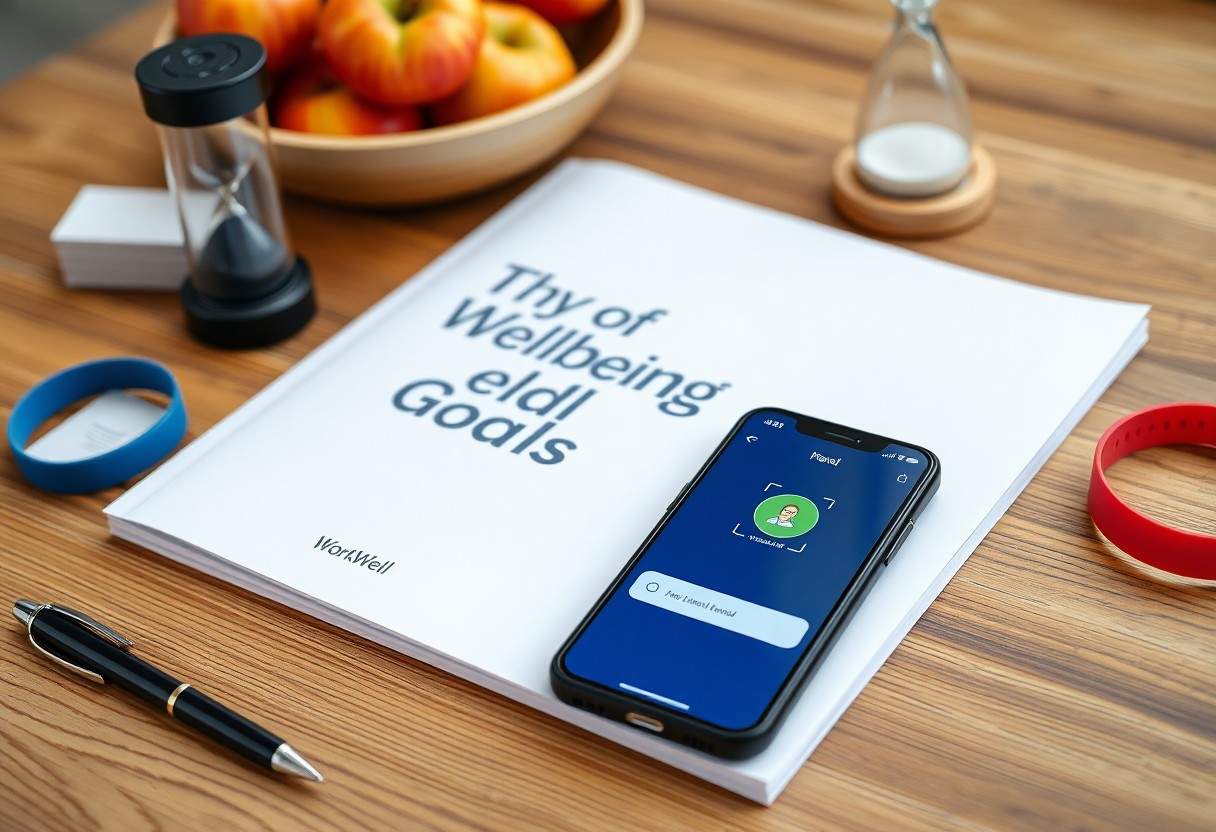
The Psychology of Wellbeing Goals
Goals tied to your values increase consistency and reduce reactive stress; set specific, attainable targets to build momentum, since misaligned goals can raise burnout risk while aligned goals boost sustained wellbeing.
Linking Purpose to Emotional Resilience
Connecting your work to why you care strengthens your ability to handle setbacks; you reframe challenges and maintain focus, while loss of purpose increases reactivity and emotional exhaustion, so keep purpose visible to preserve wellbeing.
The Impact of Intrinsic Motivation on Habit Formation
Intrinsic motivation makes you more likely to repeat activities for their own satisfaction, turning actions into habits; internal drive sustains routines more than external rewards.
You strengthen intrinsic drive by matching tasks to interests, increasing small wins, and tracking progress; prioritize autonomy and immediate satisfaction to make habits stick, because over-reliance on external rewards often collapses and sustained internal interest reduces relapse.
Defining Core Pillars of Professional Wellness
You identify four pillars-physical, cognitive, social, and organizational-that guide your daily choices; prioritize sleep, address ergonomics, monitor burnout risk, and set measurable goals to protect wellbeing while pursuing performance.
Physical Vitality and Ergonomic Optimization
Set your workstation for neutral posture, schedule micro-movements, and protect energy with consistent breaks to reduce strain and prevent chronic pain that undermines long-term productivity.
Cognitive Clarity and Stress Management Strategies
Prioritize focused work blocks, short mindfulness pauses, and clear task lists to reduce rumination, sharpen decision-making, and lower stress during peak demands.
Practice short, scheduled resets-breathing, eye breaks, and 10-20 minute walks-to interrupt stress cycles and restore attention; use single-tasking, clear priorities, and email windows to limit decision fatigue, and watch for signs of burnout so you can act before performance and health decline.
Strategic Goal Setting Frameworks
Use small, measurable goals that align with wellbeing and work priorities; you can follow research-backed tips at Set goals that support wellbeing; it’s worth a shot. Focus on behavioral clarity and tracking to keep progress steady.
Adapting SMART Criteria for Holistic Health
Adapt SMART to include sleep, stress, and recovery: make goals specific, measurable, realistic, timebound so you and your team can track both output and wellbeing.
Implementing Micro-Habits for Long-term Success
Build micro-habits that require minutes daily; you’ll compound small wins into lasting routine, with consistent tiny actions reducing burnout risk and improving wellbeing.
Track micro-habits with a simple habit scorecard so you can measure progress, adjust intensity, and avoid overcommitment; prioritize one small change at a time to secure long-term adoption.
Integrating Wellbeing into the Corporate Workflow
Embed wellbeing into daily workflows by aligning short, measurable goals with projects; use regular micro-checks and Living Purposefully – SMART Goals for templates. You should protect breaks and brief stretch prompts and track outcomes to sustain performance.
Establishing Boundaries and Digital Detox Periods
Set clear communication hours and mandatory ‘no-email’ periods so you can recharge; encourage managers to model them. Protecting off-time with consistent digital detox windows lowers stress and improves focus.
Leveraging Team Support and Social Accountability
Use small peer groups for goal-sharing so you can commit publicly; schedule brief, honest check-ins and praise progress. Public accountability increases follow-through and creates shared responsibility for wellbeing.
Build team rituals like weekly micro-retros, buddy systems, and rotating ‘wellbeing leads’ so you can sustain mutual support. Establish clear norms to avoid public shaming and overload; instead use private coaching and action steps. Consistent recognition and simple metrics increase engagement, while transparent roles keep accountability humane and effective.
Monitoring Progress and Measuring Impact
Track progress regularly so you can spot trends, address setbacks, and celebrate wins; combine short surveys and objective indicators to assess real change. Flag declining wellbeing early and record measurable improvements to justify ongoing investment.
Utilizing Qualitative and Quantitative Success Metrics
Use simple surveys, focus notes, and productivity data to pair feelings with facts. You should weight both types: qualitative feedback reveals morale shifts while quantitative metrics show hard outcomes, helping you refine goals and allocate time where impact is strongest.
The Role of Reflective Reviews in Sustaining Growth
Schedule brief reviews to examine outcomes, parse what helped or harmed your wellbeing, and reset priorities; consistent reflection reduces habit relapse and reinforces sustained practices that keep you moving forward.
Analyze review sessions by using targeted questions, journaling outcomes, and assigning one small action each time. When you document wins and setbacks, you reduce habit relapse and create a record of progress; that record shows which practices deliver lasting wellbeing so you can scale what works.
Navigating Obstacles and Maintaining Momentum
When obstacles arise, you should pause, reassess goals, and protect regular rest; focusing on small wins preserves momentum while avoiding burnout. Set micro-deadlines and drop noncrucial tasks to keep progress visible and sustain wellbeing.
Strategies for Resilience During High-Pressure Periods
Plan realistic short-term targets, schedule restorative breaks, and signal boundaries to colleagues so you can offload nonurgent tasks; these moves protect mental health and sustain performance when demands spike.
Cultivating a Growth Mindset Toward Self-Care
Adopt curiosity about setbacks, treat self-care as practice, track small improvements, and celebrate consistent actions; this trains you to act with compassion and build sustainable habits that boost wellbeing and performance.
Practice daily micro-steps-short walks, three deep breaths, a hydration check-and log how they affect mood and output; tracking helps you spot patterns. If you ignore self-care, risk of burnout rises; prioritize small, consistent rituals to build consistency, maintain energy, and protect long-term wellbeing without sacrificing goals.
To wrap up
Upon reflecting, you can see how WorkWell – Goal Setting for Wellbeing clarifies targets, tracks progress, and aligns daily actions with personal health and performance, helping you set realistic objectives, monitor outcomes, and sustain balanced work habits.
FAQ
Q: What is WorkWell – Goal Setting for Wellbeing and who is it for?
A: WorkWell – Goal Setting for Wellbeing is a mobile and web application designed to help individuals and teams create, track, and sustain wellbeing goals at work and in daily life. The app combines brief baseline assessments with SMART-style goal templates adapted for wellbeing, habit trackers, short guided reflections, and visual progress reports to support behavior change. Employers can offer WorkWell as part of a wellbeing program while individuals can use it independently to set goals around sleep, stress management, movement, social connection, and purposeful work.
Q: How do I create effective wellbeing goals and keep progress on track with the app?
A: The app guides users through a goal-setting flow that includes a quick wellbeing assessment, suggested goal templates, and the option to create custom goals with clear milestones and timelines. Users choose tracking methods such as daily check-ins, measurable metrics (steps, minutes, mood ratings), calendar tasks, or integrations with health apps. Built-in nudges, adaptive difficulty that adjusts targets based on recent performance, and weekly summaries help maintain motivation. Optional accountability features let users invite peers or coaches for private feedback or set team goals with aggregated progress views.
Q: How does WorkWell handle privacy, data security, and integrations?
A: WorkWell encrypts data in transit and at rest, supports secure authentication options including SSO and two-factor authentication, and provides user controls for what is shared with teams or managers. Team-level reports are aggregated and anonymized by default unless explicit consent is given for more detailed sharing. Integrations include calendar apps, Apple Health/Google Fit, Slack, and common HR platforms; each integration requires user approval. The platform offers compliance options for GDPR and HIPAA where applicable and provides data export and account deletion tools for users and administrators.
Leave a Reply