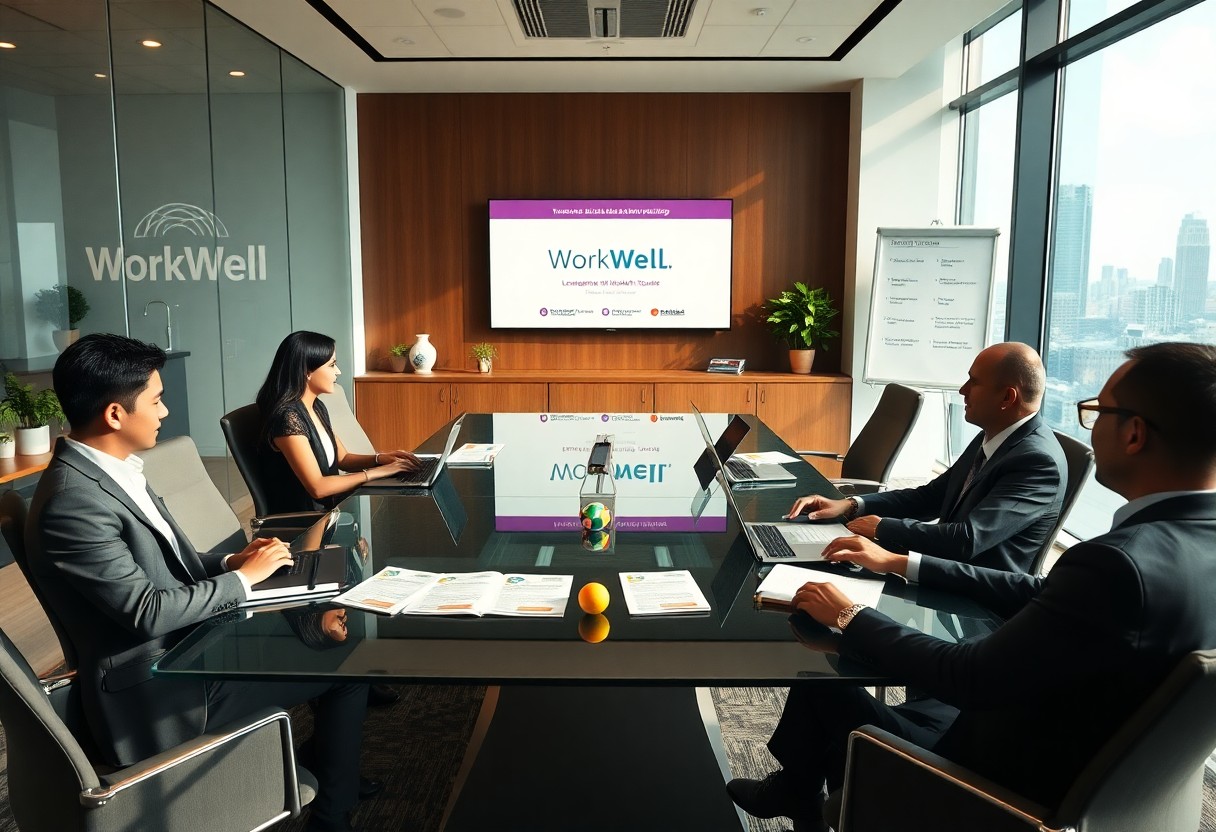
It’s your leadership role that increases your burnout risk and worsens decision fatigue. You must address stress early and adopt proven mental-health practices to protect performance and wellbeing.

Key Takeaways:
- High-pressure executive roles carry elevated risk of burnout, anxiety, depression, disrupted sleep, and impaired decision-making that undermine both personal health and organizational performance.
- Confidential, timely mental health support combined with workload adjustments and clear boundaries reduces absenteeism and sustains executive effectiveness.
- Leaders who model vulnerability, set realistic expectations, and normalize help-seeking reduce stigma, improve team psychological safety, and support retention.
The Strategic Imperative of Executive Mental Health
You should treat executive mental health as strategy: when you prioritize leaders’ wellbeing, decision quality, retention, and legal risk improve, protecting culture and shareholder value.
Correlation Between Leadership Wellness and Organizational Performance
Data shows that when you support leadership wellbeing, productivity and profitability rise while turnover and costly errors fall.
Addressing the Stigma in High-Pressure Corporate Environments
Culture shifts require that you normalize seeking help, train peers to spot distress, and protect confidentiality to reduce career risk fears.
Practical measures you can implement include confidential executive coaching, mandatory mental-health education for senior teams, and rapid-response protocols for signs of burnout. You should revise performance metrics that punish vulnerability and create clear HR protections so seeking help doesn’t equate to career penalty. Visible leader disclosure and consistent policy enforcement reduce stigma and lower reputational and legal risk.
Identifying Modern Stressors in the C-Suite
Leaders like you confront relentless expectations, 24/7 access, and shifting accountability, which create chronic stress that erodes focus and sleep while increasing error risk; targeted boundaries and coaching can restore clarity and sustain performance.
Decision Fatigue and the Burden of Constant Connectivity
Relentless connectivity forces you into endless micro-decisions, producing decision fatigue that depletes judgment and raises mistakes; set firm inbox rules, scheduled deep-work blocks, and trusted deputies to protect focus and reduce risk.
Navigating Isolation and the “Lonely at the Top” Phenomenon
Solitude at the top can make you doubt choices, cut off candid input, and amplify burnout; implement structured peer groups, executive coaching, and confidential check-ins so you regain perspective and sustain performance.
When you feel disconnected, watch for indecision, irritability, or secrecy-those are early warning signs that isolation is costing judgment and relationships; schedule regular honest feedback sessions, rotate a trusted advisor, and protect time for non-work bonds to rebuild perspective and reduce burnout risk.
Building Resilient Leadership Frameworks
Strong leadership frameworks ensure you respond to stress, implement clear policies, and measure outcomes; consult research like Why prioritizing employee well-being is good for business to back decisions and protect against burnout while driving reduced turnover.
Integrating Emotional Intelligence into Executive Development
You can train emotional awareness through coaching, role-play, and feedback loops so your team notices emotional blind spots, reduces conflict, and strengthens decision-making.
Establishing Sustainable Work-Life Integration for Senior Management
Senior managers should set boundaries, model time off, and normalize flexible schedules so you maintain energy, protect teams from burnout risk, and sustain long-term performance.
Implement non-negotiable boundaries, protected recovery blocks, and workload caps so you signal that rest is policy; track overtime and reassign tasks when metrics rise to cut burnout and preserve strategic focus. Encourage use of mental health days, mandate delegation training, and publicly model downtime so teams accept rest before stress becomes severe.
Transforming Corporate Culture Through Vulnerability
Vulnerability among leaders shows you that admitting struggle is acceptable, which reduces stigma and deepens trust; it can transform norms but can expose staff to retaliation unless clear protections and reporting channels are in place.
Leading by Example: Transparency in Mental Health Advocacy
You should model openness by sharing boundaries and resources, signaling that mental health conversations are allowed; visible actions like policy changes and regular check-ins create psychological safety and demonstrate that advocacy isn’t performative.
Fostering Psychological Safety Across All Tiers of Management
Your daily decisions set the tone: encourage candid feedback, protect confidentiality, and address misconduct swiftly so teams feel safe to raise concerns; silence breeds risk, while clear escalation paths protect employee wellbeing.
Consider instituting manager training, anonymous climate surveys, and a written non-retaliation policy so you can surface issues safely. Coach managers to respond to disclosures, track incident resolutions, and publish outcomes to build trust. Measure progress with engagement and safety metrics; unaddressed complaints often lead to turnover and legal risk, so assign clear accountability and timelines.
Institutionalizing Well-being in Governance
Boards should weave psychological safety into policy, giving you direct accountability and access to resources like WorkWell Neurofeedback & Coaching in Minneapolis, MN to support sustained leader resilience and reduce burnout risk.
Incorporating Mental Health Metrics into Boardroom Agendas
Committees should require clear, repeatable wellbeing metrics so you can monitor trends, allocate resources, and detect rising risk before executive health crises emerge.
Redefining Success Beyond Traditional Financial KPIs
Directors must add wellness indicators to fiscal KPIs so you measure retention, innovation, and team health, giving a fuller picture of long-term performance.
You should adopt a dashboard tracking turnover, absenteeism, engagement, psychological safety, and cognitive readiness, with quarterly board reviews that tie these indicators to strategy and executive incentives; this reduces hidden liability, improves retention and decision quality, and ensures you can act on early warning signs rather than scramble during crises.
The ROI of Mental Health Investment
Investing in executive mental health yields measurable returns: lower absenteeism, higher decision quality, and cost savings from avoided burnout, showing clear financial impact when programs reduce crises and protect leadership capacity.
Impact on Talent Retention and Executive Longevity
Retention improves when you prioritize executive wellbeing: reduced turnover and longer tenures cut recruitment costs and keep strategic knowledge in-house, preserving organizational continuity.
Strengthening Brand Identity and Stakeholder Trust
Brand perception strengthens when you publicly support executive mental health: increased stakeholder trust and reduced reputational risk attract investors, clients, and talent who value humane leadership.
Visible commitment to executive mental health signals to markets and employees that you prioritize sustainable leadership. By implementing clear policies, transparent reporting, and rapid crisis support, you mitigate reputation damage and legal exposure, while boosting investor confidence and customer loyalty, creating a measurable advantage in competitive bids and long-term stakeholder relationships.
Final Words
Upon reflecting, you recognize that sustaining executive performance requires attention to mental health through clear policies and regular support, so you model wellbeing, limit burnout, and preserve strategic judgment.
FAQ
Q: What is WorkWell – Executive Leadership and Mental Health, and what services does it provide?
A: WorkWell is a specialized program for senior leaders that combines clinical mental health support with leadership development and organizational consulting. The program offers confidential one-on-one executive coaching, clinician-led psychotherapy options, group workshops on stress management and decision fatigue, and assessments such as burnout inventories and executive functioning screens. The team works with HR and C-suite sponsors to design personalized care plans, specify measurable goals, and set timelines for interventions ranging from short-term support to multi-month leadership resilience tracks. Reporting to organizational stakeholders uses aggregated, de-identified data while individual care remains private. Typical delivery formats include virtual sessions, on-site intensives, and integrated follow-up sessions to support sustained behavioral change.
Q: How does WorkWell measure outcomes and demonstrate return on investment for executive mental health initiatives?
A: WorkWell uses a mixed-methods measurement approach combining validated clinical scales (for example, PHQ-9, GAD-7, Maslach Burnout Inventory), 360-degree leadership feedback, and organizational metrics such as absenteeism, presenteeism estimates, retention rates, and performance indicators. Baseline data are captured before program start and compared with periodic follow-ups at 3, 6, and 12 months. Statistical analysis and case-level qualitative interviews identify trends in symptom reduction, decision-making clarity, and team engagement. Financial ROI models translate changes in turnover, productivity, and healthcare utilization into dollar savings, with typical reports showing program costs versus estimated savings and productivity gains. Data privacy is preserved through aggregation and anonymization before any executive summary is shared with stakeholders.
Q: How does WorkWell protect confidentiality and reduce stigma so executives will use the program?
A: WorkWell enforces strict confidentiality protocols, including clinician-client privilege where applicable, HIPAA-compliant platforms, and written data-use agreements that specify what information may be shared with HR or leadership. The program separates clinical records from organizational reporting and only provides aggregated, de-identified metrics for employer review. Leadership-focused communication plans highlight confidentiality, practical benefits for decision-making, and available nonclinical options such as coaching and peer cohorts to increase uptake. Emergency protocols and mandatory reporting obligations are clearly disclosed during intake, along with informed consent procedures. WorkWell also offers training for senior leaders on modeling help-seeking behavior and on structuring performance processes so mental health care does not trigger punitive consequences, which improves program acceptance and sustained participation.
Leave a Reply