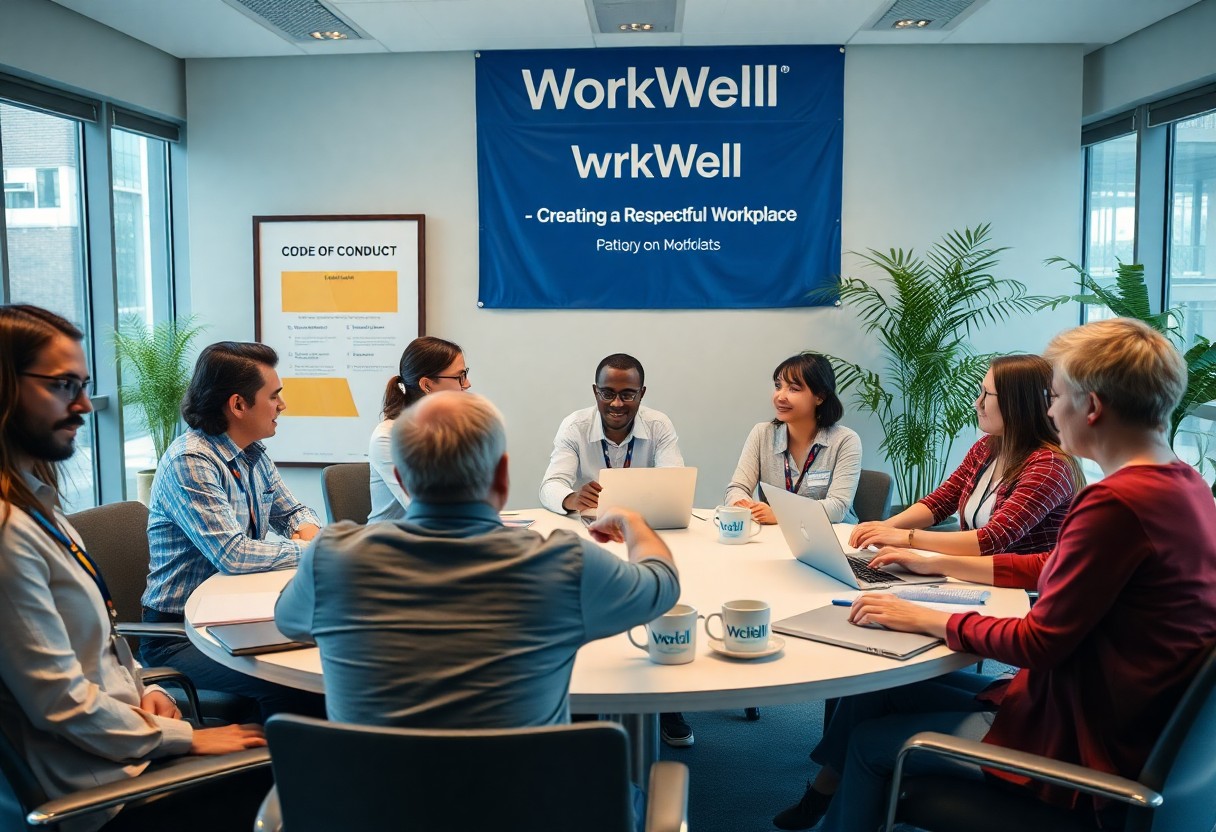
Just you can shape a workplace where respect is nonnegotiable: clear policies stop harassment risks, timely reporting protects victims, and consistent leadership delivers higher retention and productivity you can measure.
Key Takeaways:
- Clear anti-harassment and anti-discrimination policies outline unacceptable conduct, reporting procedures, and consequences.
- Managers model respectful behavior, address complaints promptly, and apply policies consistently.
- Regular training, open feedback channels, and inclusive practices increase awareness and help prevent misconduct.
Defining the Respectful Workplace Culture
You model daily conduct by using respectful language, enforcing boundaries, and supporting peers so everyone can contribute without fear; prioritize psychological safety and shared expectations to reduce conflicts and maintain steady collaboration.
Core Values and Professional Ethics
Integrity should guide your choices, with transparent policies, equal treatment, and ethical conduct; enforce standards that deter harassment and favoritism while rewarding accountability and respect.
The Impact of Mutual Respect on Productivity
Mutual respect shortens decision cycles and reduces rework, letting you allocate time to value-added work; clear norms drive higher output and lower turnover.
Research links respectful teams to measurable gains: when you maintain predictable feedback and fair conflict resolution, engagement scores climb, absence drops, and projects finish faster. Expect reduced absenteeism, lower turnover, and a noticeable uplift in innovation as people share ideas without fear. Allowing unchecked hostility risks lost clients and legal exposure, so you must track behaviors and apply consistent corrective action.
Identifying and Mitigating Workplace Misconduct
You should detect misconduct early, document incidents, and consult resources like Creating a Respectful & Professional Work Environment to align policies with professional standards and limit harm.
Recognizing Harassment and Microaggressions
Recognizing subtle slights and explicit abuse helps you respond swiftly; watch for patterns, listen to affected staff, and treat reports with seriousness.
Establishing Clear Reporting Channels
Create multiple, accessible reporting options so you and colleagues can report safely, expect timely action, and access confidential support.
Ensure your reporting system allows anonymous and named submissions, defines clear steps and response timelines, assigns trained investigators, and implements measures that prevent retaliation. You must track cases, provide timely updates to reporters, document outcomes, and analyze trends to close gaps and strengthen trust in the process.
Communication Strategies for Conflict Resolution
Communication strategies reduce escalation and restore focus quickly; you should prioritize clear, respectful exchanges, agreed signals for pausing, and timebound problem-solving steps. Use private channels for sensitive issues and set expectations for follow-up to prevent repetition.
Active Listening and De-escalation Techniques
Listening with intent lets you spot triggers, mirror concerns, and ask clarifying questions; use calm tone and pauses to lower tension. Address abusive language privately and apply agreed de-escalation signals so conflicts don’t escalate.
Constructive Feedback Loops
Structure feedback so you focus on behavior, not character, using specific examples and clear outcomes; schedule follow-ups to track changes. Make timely, balanced comments and avoid public criticism to reduce resentment.
Follow-up creates accountability: you document agreed actions, set measurable checkpoints, and coach for skill gaps. Combine corrective notes with recognition for improvement, and escalate repeated violations to HR to address policy breaches.

Inclusive Leadership and Diversity Management
Leaders who practice inclusive leadership help you see diverse perspectives, set clear expectations, and address bias; consult Preventing Workplace Harassment – WorkWell – WorkWell for policies and training that reduce harassment and protect psychological safety.
Promoting Equity in Decision-Making
Policies should require you to include diverse voices in hiring, promotions, and budgeting, with transparent criteria and regular audits to reduce systemic bias and ensure fair outcomes.
Cultivating a Sense of Belonging
Every inclusive habit you model-acknowledging contributions, addressing microaggressions, and celebrating diverse backgrounds-builds trust and increases retention by strengthening belonging.
You can embed belonging through concrete actions: set regular feedback loops, train managers to spot and stop exclusion, create clear reporting channels for microaggressions and harassment, and publicly recognize diverse contributions. Tracking inclusion metrics and responding to complaints preserves trust; visible consequences for hostile behavior protect staff and reinforce psychological safety, while consistent recognition builds long-term engagement.
Policy Frameworks and Legal Compliance
Policy frameworks guide how you align workplace rules with law, set expectations, and reduce risk. Include clear reporting channels, defined responsibilities, and regular reviews to avoid legal penalties.
Developing a Comprehensive Code of Conduct
You should draft a concise code that sets behavioral standards, conflict-of-interest rules, and clear consequences. Highlight zero-tolerance areas and provide accessible examples so employees know expectations and reporting steps.
Adhering to Labor Laws and Human Rights Standards
Compliance requires you to map applicable laws to daily practices, monitor wages and hours, enforce anti-discrimination measures, and keep accurate records. Prioritize worker rights and swift remediation to avoid fines and reputational harm.
Audit your policies quarterly, engage legal counsel for jurisdictional updates, train managers on accommodation and harassment response, and implement anonymous reporting. Enforce corrective action quickly; non-compliance can trigger lawsuits, fines, and operational shutdowns that threaten employee safety and business continuity.
Training and Continuous Professional Development
Training programs keep you current on policies, sharpen interpersonal skills, and reduce incidents; consistent professional development improves morale and lowers legal risk.
Sensitivity and Awareness Workshops
Workshops teach you to recognize microaggressions, respect differences, and intervene safely; compliance gaps become visible so you can act before harm occurs.
Measuring Cultural Improvement Through Analytics
Analytics give you measurable signals-surveys, incident trends, and participation rates-so leadership tracks progress and targets weak areas; data-driven change reduces recurrence of misconduct.
Metrics let you slice data by team, tenure, and manager to spot hotspots and repeat issues. You combine surveys, incident rates, and behavioral indicators to quantify cultural shifts; early warning signals cut escalation risk and guide targeted training that improves retention and rebuilds trust.
Final Words
Taking this into account, you must implement clear policies, consistent training, and accountable leadership to maintain a respectful workplace where communication and safety are prioritized.
FAQ
Q: What is WorkWell – Creating a Respectful Workplace?
A: WorkWell is a comprehensive workplace program that defines expected behaviors, establishes clear anti-harassment and anti-discrimination policies, and provides ongoing education for all staff. The program includes mandatory training on respect, unconscious bias, and bystander intervention; written procedures for reporting and investigating concerns; accessible support services for affected employees; and leadership commitments to model respectful conduct. WorkWell also sets measurable goals, assigns accountability to managers, and integrates respectful-behavior expectations into hiring, performance reviews, and promotion decisions to make respect part of everyday operations.
Q: How do employees report incidents and what protections are available?
A: Employees can report incidents through multiple channels such as direct contact with HR, a designated manager, an anonymous hotline, or a third-party reporting portal. The organization documents reports promptly, evaluates immediate safety needs, and begins confidential investigations according to published timelines. Witnesses and reporters receive protections against retaliation, and accommodations are offered to minimize contact between complainant and respondent during the process. Confidentiality is maintained to the extent possible while allowing a fair investigation, and employees receive status updates and access to support services such as counseling and workplace adjustments.
Q: How can managers implement WorkWell and measure its effectiveness?
A: Managers implement WorkWell by communicating policies clearly, completing required training, addressing concerning behavior when observed, and applying consistent consequences for violations. Practical actions include setting team norms, reviewing respectful-conduct expectations at meetings, and including behavior metrics in performance conversations. Effectiveness is measured through leading and lagging indicators: training completion rates, frequency and nature of reports, results of employee climate surveys and pulse checks, retention and promotion data for underrepresented groups, and time-to-resolution for complaints. Managers review these metrics regularly, use findings to adjust practices, and report progress to senior leadership.
Leave a Reply