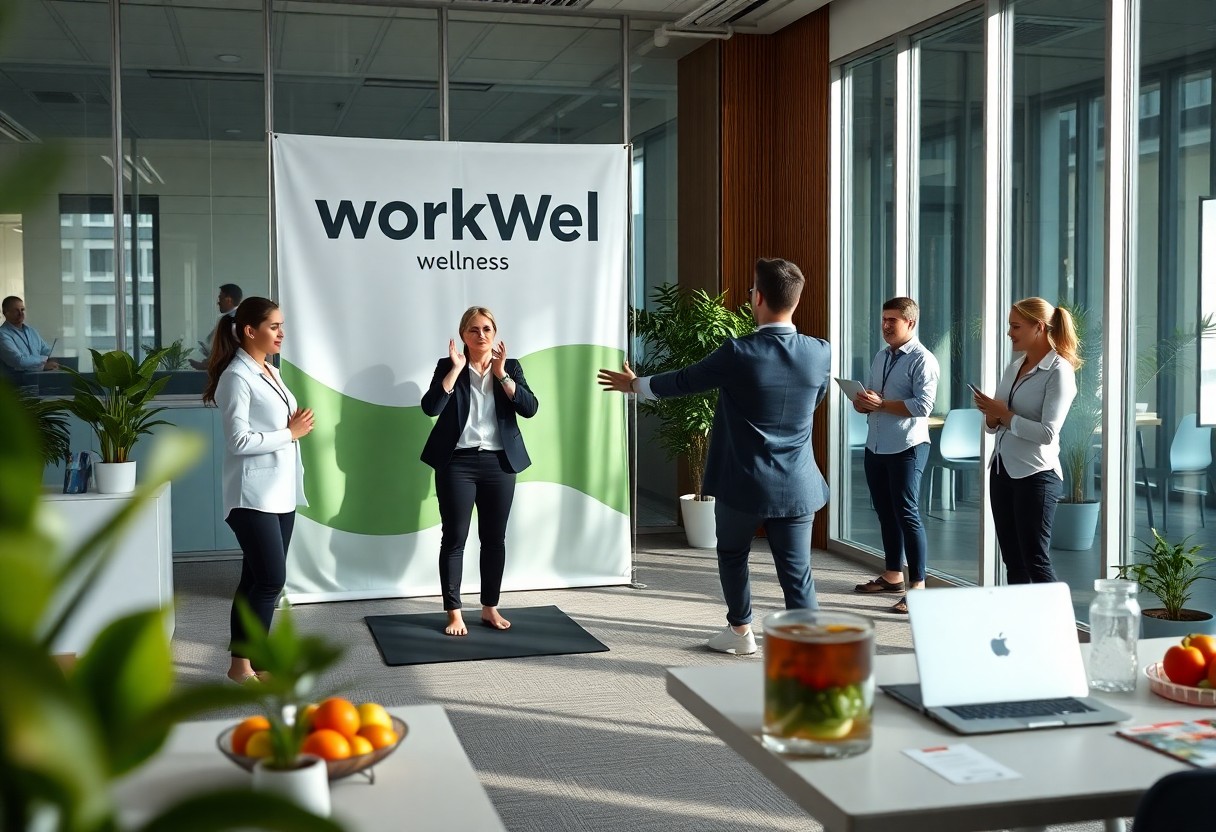
Wellness programs guide you to cut burnout, lower healthcare costs, and boost productivity; you gain measurable ROI and reduced absenteeism when leadership aligns benefits with participation.
Key Takeaways:
- WorkWell delivers measurable ROI by lowering absenteeism and healthcare costs and tracking participation and health outcomes.
- Programs integrate physical fitness, mental health resources, nutritional counseling, and flexible scheduling to support employee well-being.
- Tailored plans, manager training, and data-driven adjustments increase participation, sustain engagement, and align offerings with company needs.
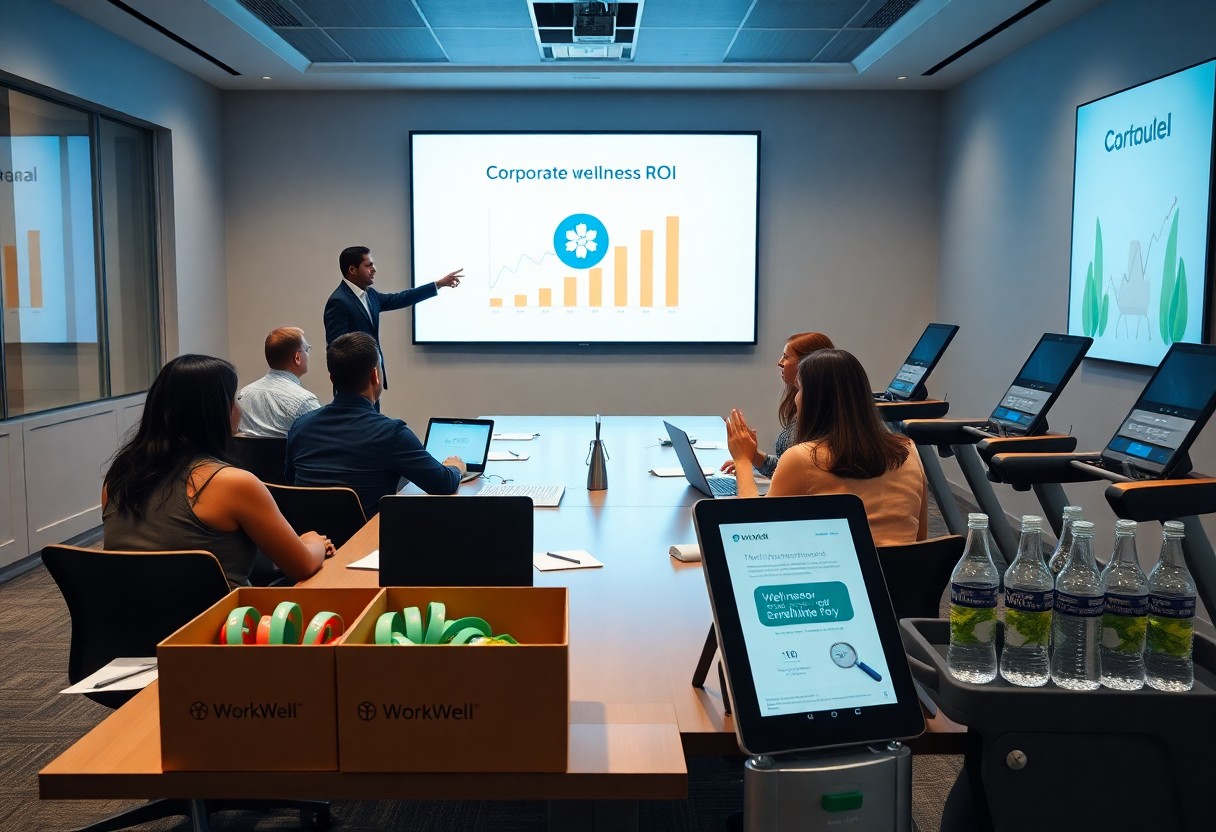
The Business Case for Corporate Wellness
Consider how well-designed wellness programs reduce healthcare spending and increase productivity for you, delivering measurable returns through lower claims and improved presenteeism; reduced medical costs and higher engagement directly strengthen your financial performance.
Quantifying ROI through Reduced Absenteeism
Reduced sick days save you labor costs and protect deadlines, translating into clear ROI when tracked against program expenses; fewer absences mean lower temporary staffing costs and steadier productivity.
Enhancing Employee Retention and Recruitment
Offering targeted wellness options helps you retain top talent and attract candidates who value wellbeing, which reduces churn-related expenses; lower turnover improves continuity and hiring ROI.
Research indicates you recoup program costs via saved recruitment fees and faster onboarding, with higher retention preserving knowledge and cutting operational disruption.
Core Pillars of an Effective Wellness Strategy
Organizations should align benefits, on-site care, and data-driven programs so you see measurable outcomes; explore Workplace Solutions | Corporate Wellness Programs For … for tailored support.
Comprehensive Physical Health and Nutrition
Physical wellness programs give you regular screenings, fitness options, and personalized nutrition counseling to reduce absenteeism and boost energy.
Prioritizing Mental Health and Stress Management
Mental health services offer confidential counseling, resilience training, and practical stress tools so you can maintain focus and reduce burnout with measurable support.
You benefit when mental health efforts combine on-demand therapy, manager coaching, peer support groups, and clear crisis pathways, with analytics tracking usage and outcomes so leadership can spot trends early and prevent costly turnover.

Customizing Programs for Diverse Workforces
Customization helps you match offerings to age, role and needs; use the Corporate Wellness Programs to design tailored benefits that boost participation and reduce health risks.
Assessing Organizational Needs and Culture
Assessment guides you to survey employees, analyze absenteeism rates and align initiatives with culture while setting measurable goals for ROI and wellbeing.
Inclusive Solutions for Remote and Hybrid Teams
Remote teams require flexible access; you should offer virtual coaching, asynchronous challenges and privacy-protected telehealth to increase reach and retention.
You can design asynchronous programs, time-zone-friendly live sessions and on-demand content that respect schedules while offering accessible options for different abilities and languages. Plan manager training, strict data privacy controls and targeted incentives to keep participation high while tracking outcomes with equity-focused metrics.
Strategic Implementation and Leadership
Leadership sets clear goals, assigns roles, and models healthy behavior so you can sustain programs. Secure leadership commitment, define metrics, and protect budgets to prevent program drift and lost impact.
Securing Executive Buy-in and Advocacy
Executive sponsors give you visible support; tie wellness goals to business metrics and present clear ROI. Emphasize cost savings and reduced absenteeism to gain advocacy.
Building a Network of Wellness Champions
Colleagues acting as champions increase participation; recruit diverse volunteers, provide brief training, and offer recognition so you can scale efforts. Watch for champion burnout and spotlight top performers to keep momentum.
Champions should get structured support: short trainings, clear scripts, scheduled check-ins, and a small recognition budget so you can maintain consistency. Track referrals and feedback, prevent inconsistent messaging by giving standard materials, and monitor for burnout while celebrating measurable wins.
Driving Engagement and Participation
Engagement demands clear goals, simple access, and visible manager support; you must track usage, address barriers, and spotlight wins to avoid low participation and secure measurable results.
Designing Effective Incentive Structures
Incentives should be tiered, attainable, and tied to health outcomes; you should balance cost with impact and avoid costly incentives that don’t drive change while promoting meaningful rewards.
Gamification and Social Connectivity Tools
Games and team challenges boost participation by tapping into friendly competition and peer support; you should integrate leaderboards, badges, and opt-in social features while safeguarding against privacy risks to sustain increased participation.
Design short, varied challenges, team sprints, and micro-badges that keep you engaged daily; you should enable opt-in sharing, strict privacy controls, and data-minimization to prevent health-data exposure while maximizing peer motivation.
Measuring Success and Program Optimization
Metrics should target participation, health outcomes, and cost savings so you can refine offerings; prioritize ROI and reduced sick days while monitoring privacy risks and engagement trends.
Tracking Key Performance Indicators (KPIs)
Choose KPIs like participation rate, engagement, biometric improvements, and healthcare cost changes so you can measure impact and report outcomes to stakeholders quickly.
Utilizing Data Analytics for Continuous Improvement
Use analytics to spot trends, segment populations, and test interventions so you can iterate programs; surface data-driven recommendations and close feedback loops.
Analytics should integrate enrollment, program activity, clinical metrics, survey feedback, and claims data so you can build predictive models that identify at-risk employees, run A/B tests, and scale effective interventions; ensure data security and compliance to protect privacy while turning signals into actionable insights for sustained improvement.
Final Words
Conclusively you will find WorkWell delivers measurable wellness outcomes through targeted programs, clear metrics, and ongoing support that reduce absenteeism, improve productivity, and strengthen employee well-being.
FAQ
Q: What is WorkWell and how does it deliver measurable results?
A: WorkWell is a comprehensive corporate wellness program that combines personalized health assessments, targeted behavior-change programs, mental health support, ergonomic consulting, and manager-led wellness training. The program begins with employee health risk assessments and organizational needs analysis to create tailored tracks for nutrition, physical activity, stress management, chronic condition support, and return-to-work planning. Clients receive a mix of on-site workshops, virtual coaching, and asynchronous digital content to meet diverse schedules and locations. Independent case studies and client reports show improved participation, with many organizations reporting higher engagement and reductions in absenteeism and health-related productivity loss; outcome metrics include participation rate, biometric risk improvement, absence days, and self-reported presenteeism. WorkWell uses continuous monitoring and iterative program adjustments to keep interventions aligned with measurable goals and changing workforce needs.
Q: How is WorkWell implemented and what timeline, resources, and costs should my company expect?
A: Implementation follows a five-step process: discovery and baseline assessment, program design, pilot deployment, companywide rollout, and ongoing evaluation. Discovery includes benefits data review, employee surveys, and leadership interviews and typically takes 2-4 weeks. A pilot run with a target cohort usually spans 8-12 weeks to validate engagement tactics and measure early outcomes. Full rollout timelines range from 3-6 months depending on company size and integration complexity. Internal resources required include a benefits lead or HR point person, an IT contact for systems integration, and a designated wellness champion network to support engagement. Pricing models are modular and may include setup fees plus a per-employee-per-month subscription, tiered services for coaching and on-site care, and optional à la carte services such as biometric screening events. Clear scoping during discovery produces a detailed proposal with expected ROI assumptions and break-even timelines based on your claim and absence baseline.
Q: How does WorkWell measure outcomes, demonstrate ROI, and protect employee privacy?
A: WorkWell measures outcomes using a combination of engagement metrics, health risk scores from aggregated biometric and survey data, healthcare claim trend analysis, absence and disability days, and validated presenteeism instruments. ROI calculations compare program costs against reductions in claims, lower absence rates, and productivity gains, with reporting tailored to finance and benefits stakeholders. Employee privacy protections include opt-in consent for health data collection, de-identified and aggregated reporting to employers, secure storage in encrypted systems, and third-party data processing options when requested. WorkWell is designed to comply with HIPAA and applicable regional privacy regulations and provides clear data-retention and access policies so individual medical information is never disclosed in employer-facing reports.
Leave a Reply