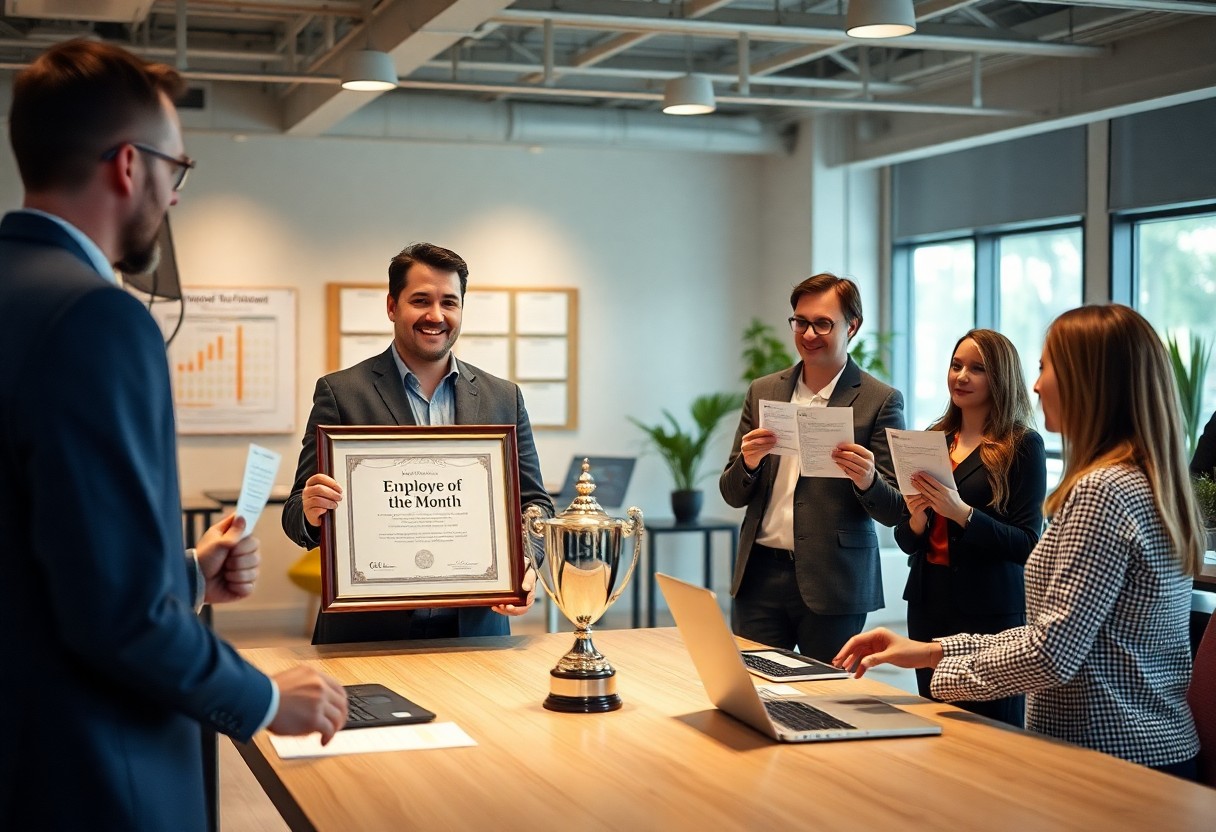
Workplace recognition lowers stress and burnout risk, raises engagement and wellbeing, and improves retention; you see measurable gains when praise is timely, specific, and consistent.
Key Takeaways:
- Employee recognition strengthens belonging and self-worth, reducing loneliness and boosting morale.
- Regular positive feedback lowers stress and burnout by validating effort and clarifying purpose.
- Recognition increases engagement and job satisfaction, improving mental health, productivity, and retention.
The Psychological Foundations of Recognition
You feel more valued when managers recognize contributions; that recognition reduces turnover and boosts morale-see Why is employee recognition important? You should note that consistent, sincere recognition improves engagement and mental wellbeing.
Neurological Impacts of Positive Reinforcement
Your brain releases dopamine when you receive praise, which increases motivation and learning; repeated recognition strengthens memory of productive behaviors, so you repeat them and sustain higher performance.
Reducing Cortisol and Workplace Stress Through Validation
Validation lowers your cortisol levels, decreasing physiological stress and improving focus; when you feel seen, absenteeism drops and health-related risks diminish.
Studies show that when you receive timely, specific recognition your HPA-axis activity drops and cortisol falls, lowering burnout risk and improving sleep, mood, and cardiovascular health, so you sustain productivity and face fewer medical absences.
Fostering Social Connection and Belonging
Recognition strengthens connections by publicly validating contributions, making you feel a sense of belonging and boosting team engagement.
Strengthening Interpersonal Bonds and Team Cohesion
Acknowledging teammates publicly helps you build trust, encourage collaboration, and reinforce shared goals, increasing psychological safety and consistent performance.
Building a Supportive Community in Remote Environments
Peer recognition bridges distance by creating rituals that let you celebrate wins, reducing isolation and maintaining team morale.
Create scheduled peer shout-outs, virtual coffee chats, and informal channels so you maintain connection across time zones; these practices provide regular micro-recognition, enable quick praise, and reduce isolation and burnout risk, keeping remote teams engaged and resilient.
Mitigating Occupational Burnout
Recognition reduces emotional strain and lowers burnout rates, giving you clearer recovery time and sustained performance. Citing research, The impact of recognition, fairness, and leadership on … – PMC shows that regular acknowledgement correlates with reduced exhaustion and improved engagement.
Recognition as a Protective Factor Against Emotional Exhaustion
Praise that is timely and specific helps you resist emotional exhaustion by signaling value and restoring energy; regular recognition reduces exhaustion and strengthens recovery.
Enhancing Employee Resilience During High-Pressure Periods
Support through targeted recognition during deadlines preserves resilience, letting you maintain focus and decrease error rates; visible appreciation helps you rebound faster under pressure.
You can structure quick rituals-public shout-outs, targeted notes, brief manager check-ins-to sustain morale and keep stress-related absenteeism low. When leaders model frequent, specific recognition, you see clearer performance gains, faster recovery after peak workloads, and lower turnover.
Enhancing Purpose and Professional Identity
Recognition helps you see how work matters, clarifies your role, and strengthens professional identity. When leaders acknowledge achievements you feel more connected to goals, which increases engagement and reduces turnover and burnout risk. Small, consistent praise aligns daily tasks with a bigger mission.
Aligning Individual Contributions with Organizational Values
Alignment makes you see how your work supports values; recognition ties tasks to purpose, guiding behaviors and decision-making. Public acknowledgment signals which actions matter, encouraging consistency and boosting morale; expect higher trust and clearer expectations when recognition reflects core values.
Cultivating a Sense of Mastery and Achievement
Skill recognition shows you that progress matters, motivating continuous learning and constructive risk-taking. Celebrating milestones gives actionable feedback and signals growth pathways, which raises confidence and reduces stagnation and attrition.
You improve mastery by setting clear, measurable goals and giving timely, specific feedback; recognition tied to demonstrable outcomes signals which competencies matter. Pair praise with targeted development-mentoring, stretch projects, training-to convert acknowledgment into skill growth. Beware of generic praise that masks poor performance; misaligned recognition can entrench bad habits, while well-targeted praise accelerates competence and retention.
The Role of Peer-to-Peer Appreciation
You notice peer recognition boosts morale and trust quickly; giving and receiving timely, specific praise strengthens connections and lowers burnout, so you feel more supported at work.
Decentralizing Recognition for Greater Authenticity
Peer-driven systems let you offer genuine praise without managerial filters, so appreciation feels authentic, more meaningful, and more likely to motivate repeat positive behavior.
Encouraging a Reciprocal Culture of Gratitude
Colleagues who practice mutual thanks train you to spot contributions, increasing morale and creating a positive feedback loop that sustains healthier team dynamics.
Systems that let you both give and receive brief public thanks make recognition habitual, expose hidden effort, identify high-impact contributors, and reduce the risk of overlooked effort, protecting wellbeing and trust across teams.

Strategic Implementation for Maximum Impact
Planning your recognition rollout helps you align rewards with objectives, set clear timelines, and define transparent criteria so recognition consistently improves morale and measurable performance.
Ensuring Consistency and Equity in Reward Systems
Fairness in reward systems means you apply documented standards, hold calibration sessions, and perform regular equity audits to prevent bias and maintain trust across teams.
Integrating Recognition into Daily Operational Workflows
Routine recognition tied to daily tasks encourages you to use quick shout-outs, badges, and notifications so positive feedback is immediate and visible.
Embedding recognition into everyday work requires you to place prompts where work happens: praise buttons in project tools, a brief recognition slot in standups, and automated reminders so managers act promptly. You should provide templates, train managers in specific feedback, enable peer nominations with clear criteria, and track adoption with engagement and wellbeing metrics. Guard against tokenism by rewarding observable contributions and allocate steady budgets to create measurable wellbeing gains.
Conclusion
Upon reflecting you see that consistent employee recognition boosts morale, reduces stress, increases engagement, and helps you retain talent while promoting trust and wellbeing across your team.
FAQ
Q: How does employee recognition affect mental health and stress levels?
A: Employee recognition reduces stress and anxiety by signaling that contributions are valued and noticed. Praise activates reward pathways in the brain, releasing dopamine and oxytocin while lowering cortisol levels associated with chronic stress. Frequent, sincere acknowledgment creates a predictable pattern of positive reinforcement that supports emotional stability and resilience. Clear recognition expectations reduce uncertainty and help employees manage workload-related pressure.
Q: In what ways does recognition influence engagement, productivity, and retention?
A: Recognition increases engagement because employees see a direct link between effort and appreciation. Higher engagement leads to better focus, creativity, and productivity, with measurable declines in absenteeism and error rates. Public and private acknowledgment both contribute to stronger job satisfaction, which improves retention and reduces recruiting costs. Fair, consistent recognition practices reduce perceptions of favoritism and increase trust in leadership.
Q: What recognition practices most effectively improve workplace wellbeing?
A: Timely, specific recognition works better than vague or delayed praise. Peer-to-peer systems complement manager-led recognition by widening sources of feedback and creating social support. Training managers to give clear, authentic recognition helps ensure messages feel deserved rather than scripted. Linking recognition to wellbeing initiatives, such as mental-health days or flexible scheduling, reinforces the practical benefits of acknowledgment. Regular measurement through pulse surveys and turnover metrics helps organizations adjust their approach and demonstrate impact.
Leave a Reply