
With clear communication, you prevent misunderstandings that damage morale, spot stress early, and build trust and engagement; see research at Communication Is Key In Supporting Employee Well-Being for guidance.
Key Takeaways:
- Clear, consistent communication reduces role ambiguity and stress by aligning expectations, priorities, and deadlines.
- Open feedback channels and active listening increase psychological safety, encourage help-seeking, and surface early signs of burnout.
- Transparent updates about change and workload enable managers to adjust resources, prevent overload, and support employee mental wellbeing and retention.
The Psychology of Transparent Leadership
Transparent leadership shows you what to expect, reduces ambiguity, and strengthens engagement; explore Pros Of Communication For Employees to see practical benefits.
Building Organizational Trust through Open Dialogue
Dialogue invites you to ask questions, voice concerns, and receive candid responses, which builds trust and aligns expectations across teams.
Reducing Employee Anxiety via Information Sharing
Information shared promptly helps you reduce anxiety, lower stress, and maintain focus, enabling steadier performance during change.
Clear communication gives you timely context about upcoming changes, helping you plan and manage workload; when leaders withhold details you face confusion, mounting stress, and higher error rates, so regular updates, Q&A sessions, and open channels restore confidence and practical clarity.

Feedback Mechanisms and Psychological Safety
Psychological safety determines whether you can share concerns and accept feedback; a lack of it creates fear of retaliation, while established feedback systems build trust and engagement.
The Impact of Regular Performance Dialogues
Regular performance dialogues let you address issues early, lessen anxiety, and clarify expectations; timely conversations confirm your progress and prevent disengagement.
Creating Effective Channels for Two-Way Communication
Open channels ensure you can speak up and get timely responses; clear norms and optional anonymity reduce retaliation risk and raise the chance your input leads to change.
Designing multiple channels-scheduled one-on-ones, anonymous forms, and moderated forums-helps you pick the safest path to speak. Train managers to listen, set response SLAs, and publish action summaries so you see follow-through. Monitor for punitive replies or repeated silence, since those patterns drive harmful turnover and erode wellbeing.
Non-Verbal Communication and Emotional Intelligence
Body language shapes how you are perceived; attending to eye contact, tone, and posture helps you read emotions. Non-verbal signals often carry more weight than words, so misreading them can damage trust. Practice noticing faces and gestures to support team wellbeing.
Interpreting Cues in Hybrid and Remote Environments
Video interactions remove many facial and posture cues, so you must focus on tone, pauses, and timing to interpret feelings. Missed signals can cause misunderstanding across locations, so set norms for clear check-ins and feedback.
Cultivating Empathetic Listening Skills among Management
You can model empathetic listening by asking open questions, mirroring emotions, and pausing to validate concerns. Active listening lowers tension and builds trust when you reflect feelings and follow up with practical support.
Practice regular coaching sessions where you receive feedback on listening habits, run role-plays to sharpen responses, and integrate short pulse surveys to measure impact. Poor listening increases turnover risk, while consistent empathetic responses improve engagement, reduce burnout, and create safer spaces for reporting concerns. You must model this behavior daily.
Conflict Resolution and De-escalation Strategies
Clear conflict resolution gives you tools to reduce stress and prevent escalation; use active listening, set boundaries, and apply agreed processes to keep teams safe.
Mitigating Interpersonal Friction through Clarity
Clarity in expectations and feedback helps you avoid misunderstandings that spark friction; document roles, confirm intent, and pause conversations before tensions rise.
Implementing Restorative Communication Practices
Restorative dialogues ask you to address harm, listen without judgment, and agree on reparative actions so relationships heal and trust is rebuilt.
You can implement restorative communication by first creating a safe space where participants agree to speak and listen. Begin sessions with a clear outline: each person states impact, the other acknowledges harm, and you jointly decide reparative steps. Allow a neutral or trained facilitator to guide to prevent re-traumatization. Set follow-up checkpoints so trust is rebuilt and agreements are enforced.
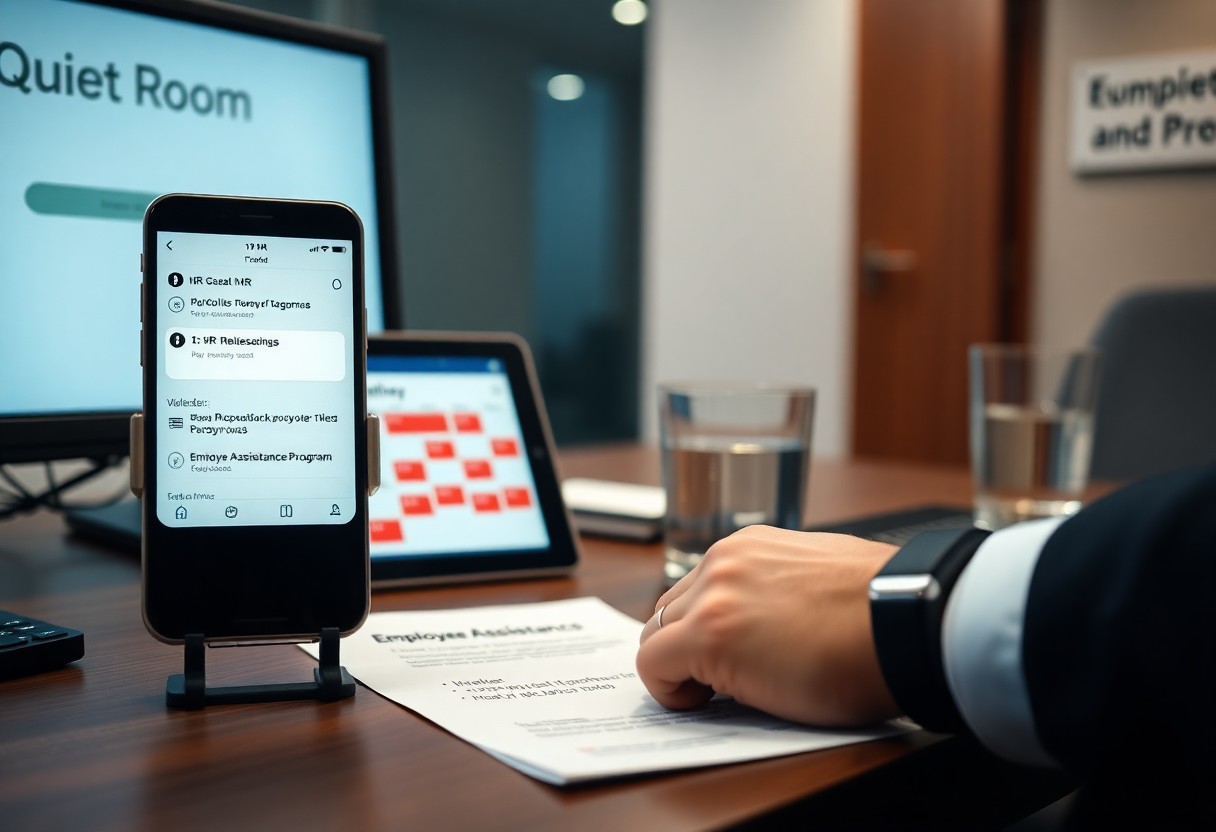
Digital Communication and Mental Health
You can protect workplace wellbeing by observing how constant digital messages affect your mood and focus; persistent connectivity increases stress, fragments attention, and disrupts sleep when unchecked.
Addressing Information Overload and Notification Fatigue
Notifications and endless feeds can overwhelm your capacity to concentrate; configure alerts, mute channels, and schedule focused work so notification fatigue doesn’t erode your productivity and mental energy.
Establishing Healthy Digital Boundaries and Protocols
Create team agreements on response expectations, off-hour silence, and tool usage so you preserve downtime; clear rules reduce anxiety and set predictable rhythms for work and rest, with defined boundaries supporting resilience.
Define specific practices you and your team will follow: set core work hours, designate daily no-message windows, and specify which platforms suit urgent versus asynchronous tasks so expectations are concrete. Ask leaders to model after-hours disconnects and provide short training on async tools. Monitor wellbeing indicators and adjust policies when stress or errors rise to prevent always-on expectations.
Inclusive Communication and Workplace Belonging
Inclusive communication ensures you feel seen and included by reducing microaggressions, clarifying expectations, and building psychological safety so teams can collaborate with trust.
Utilizing Language that Promotes Diversity and Equity
Using inclusive terms helps you avoid assumptions, respect identities, and reduce microaggressions, which improves engagement and fair treatment across roles.
Fostering a Culture of Collaborative Social Support
Building peer networks encourages you to give and receive help, increasing resilience and lowering burnout through peer support.
Practical steps help you create regular check-ins, peer mentoring programs, and clear channels for asking help so you can reduce social isolation and increase psychological safety. You should train managers to model empathetic listening and set norms for mutual aid; visible manager modeling and structured peer mentoring lower stigma around seeking support and improve retention.
Final Words
Taking this into account, clear and honest workplace communication reduces stress, resolves conflicts quickly, boosts morale, and helps you maintain better mental and physical health while improving team performance.
FAQ
Q: How does communication affect workplace wellbeing?
A: Clear, consistent communication reduces uncertainty about roles, priorities, and job security, which lowers stress and decreases burnout risk. Open two-way communication builds psychological safety, so employees speak up about workload, mistakes, or mental health without fear of retribution. Regular feedback and recognition increase engagement and help workers align daily tasks with meaningful goals. Social interactions and informal check-ins strengthen belonging and social support, which buffer against anxiety and improve resilience. Transparent decision-making and visible leadership behavior increase trust and limit rumor-driven anxiety, improving overall morale and retention.
Q: What practical steps can leaders take to use communication to support wellbeing?
A: Establish predictable communication rhythms such as weekly team updates, one-on-ones, and quarterly reviews to create stability. Practice active listening in meetings and individual conversations by summarizing what was heard, asking clarifying questions, and following up on actions. Make mental health conversations routine by training managers to recognize distress, offer reasonable adjustments, and point to professional support. Use clear written messages that state decisions, rationale, and next steps to reduce ambiguity. Set norms for meeting lengths, response expectations, and after-hours contact to protect boundaries. Collect anonymous pulse survey data and share findings plus planned actions to model transparency and continuous improvement. Provide targeted training on feedback, conflict resolution, and inclusive language to raise communication skill levels across the organization.
Q: What communication barriers harm wellbeing and how can organizations address them?
A: Mixed messages and frequent priority changes create stress and erode trust; ensure leaders coordinate communications and publish finalized priorities. Lack of feedback leaves employees uncertain about performance and career paths; implement structured feedback cycles and documented development conversations. Poor conflict handling and avoidance of difficult topics escalate tension; introduce conflict resolution protocols, mediation options, and manager coaching. Information overload and always-on expectations increase fatigue; consolidate channels, summarize key points, and enforce communication windows. Stigma around mental health prevents help-seeking; run awareness campaigns, share leadership experiences, and guarantee confidentiality for support services. Remote teams face isolation; schedule intentional social check-ins, use video selectively, and create cross-team buddy systems. Measure progress with engagement surveys, absence and turnover metrics, and qualitative check-ins, then iterate on communication practices based on those results.
Leave a Reply