
Workplace psychological safety determines whether you can speak up without fear; absence drives dangerous silence, costly turnover, while presence enables innovation and trust that raise performance and well-being.
Key Takeaways:
- Psychological safety promotes open communication and honest error reporting, enabling faster problem solving and continuous learning.
- Psychological safety increases innovation and productive risk-taking by allowing employees to propose ideas and test solutions without fear of blame.
- Psychological safety supports mental well-being and retention, reducing burnout and turnover while preserving institutional knowledge.
Defining Psychological Safety in the Modern Era
You experience psychological safety when you can speak up without fear of punishment; research like Psychological safety at work is crucial-especially amid … links it to well-being and sustained team performance.
The Evolution of Interpersonal Security at Work
History shows how you moved from rigid hierarchy to expectations of candid dialogue, increasing open feedback and accelerating learning across teams.
Distinguishing Safety from Lack of Accountability
Teams that protect speaking up still require you to meet standards; psychological safety allows risk without shielding poor results, enforcing clear accountability.
Managers should set explicit expectations, coach after setbacks, and apply consequences so you learn from failure while avoiding moral hazard.
The Catalyst for Innovation and Risk-Taking
Psychological safety lets you propose bold ideas without penalty, increasing experimentation and rapid iteration; when you remove fear of retribution, creative breakthroughs and calculated risk-taking become common, not rare.
Reducing the Social Cost of Failure
Fear of blame stops you from reporting errors, raising the social cost of failure and allowing small issues to become dangerous; by ensuring you can admit mistakes without ostracism, teams detect problems earlier and recover faster.
Encouraging Radical Candor in Research and Development
Candor pushes you to give direct, respectful feedback so errors are caught early and experiments iterate faster; creating space where honest critique is protected yields faster learning and fewer costly repeats.
You must set clear norms: require precise, compassionate critiques, run blame-free postmortems, and train managers to model direct feedback; these practices surface hidden risks, reduce wasted cycles, and make radical candor an operational habit that accelerates safe, ambitious R&D outcomes.

Impact on Organizational Performance and ROI
Psychological safety drives measurable outcomes: when you feel safe to speak up, teams deliver more innovation, faster problem-solving, and higher revenue growth, improving ROI across projects and products.
Linkages Between Inclusivity and Profitability
You notice that inclusive teams produce broader ideas, attracting customers and reducing blind spots, which translates into improved market share and stronger margins when you prioritize psychological safety.
Mitigating the High Costs of Employee Turnover
Reducing turnover protects your budget by cutting recruiting and lost-productivity expenses; when you invest in safety, you lower replacement costs often amounting to tens of thousands per hire.
Calculating the full impact shows that when you cut annual turnover by even 10%, you save recruiting fees, onboarding time, and lost institutional knowledge – often equalling $30,000-$50,000 per senior hire. You should track exit reasons, frontline manager behavior, and psychological-safety indicators, then target training and feedback loops to reduce risk. Those moves produce measurable savings and steadier productivity for the entire organization.
The Role of Leadership in Modeling Vulnerability
Leaders who admit uncertainties and ask for input teach you that openness builds trust and sustained psychological safety; without visible vulnerability you risk silence, reduced learning, and stalled improvement.
Shifting from Command-and-Control to Supportive Coaching
You respond better when leaders replace directives with curious questions, targeted feedback, and mentoring, creating safer teams where development outpaces fear.
Normalizing Error as a Tool for Institutional Growth
When errors become shared data instead of personal blame, you can iterate faster and prevent repeat failures by making transparent postmortems routine.
Accepting mistakes as information means you institutionalize practices like blameless postmortems, clear reporting channels, and near-miss reporting; these let you identify systemic fixes, prioritize remediation, and apply immediate corrective action where risks are highest, reducing hidden dangers and accelerating organizational learning.
Navigating Safety in Remote and Hybrid Environments
Remote and hybrid teams demand explicit norms so you feel safe to speak up; set clear behavioral expectations, watch for isolation risks, and reward open feedback to sustain psychological safety.
Overcoming Digital Barriers to Authentic Connection
Video calls help, but you must build rituals and written cues so collaborators know when it’s safe to dissent; flag tone ambiguity and create asynchronous check-ins to reduce miscommunication.
Building Trust Across Asynchronous Communication Channels
Asynchronous workflows require clear context so you can respond confidently; document decisions, share rationale, and use timely acknowledgments to counter distrust.
Clarity about response windows and preferred channels helps you avoid mistaken assumptions; publish expected reply times, label messages by urgency, and attach contextual summaries so teammates can act. Include brief synchronous check-ins for high-stakes items and train people to use explicit markers (e.g., “Action needed”) to prevent unresolved silence, while keeping a transparent decision log for accountability.
Strategies for Measuring and Sustaining Culture
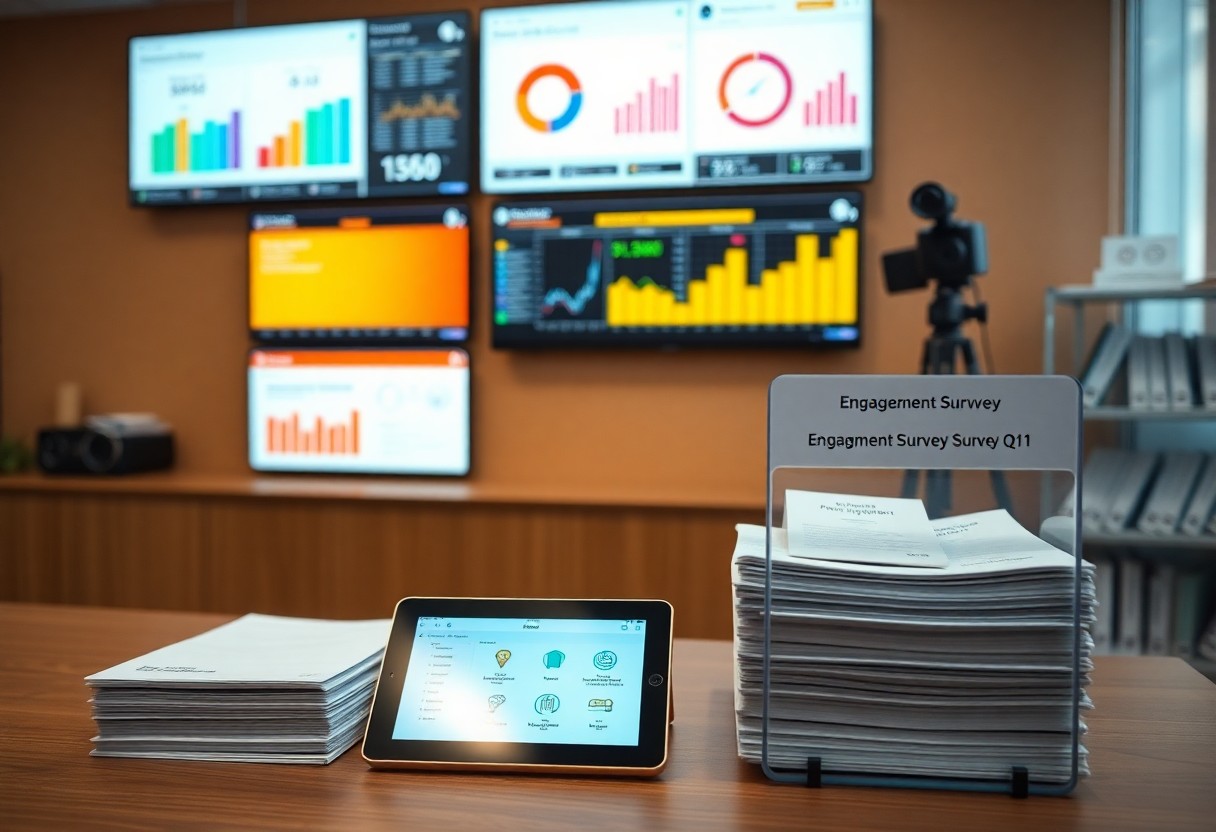
Measure culture with clear metrics so you can spot trends, flag toxic signals, and track progress toward psychological safety.
Utilizing Feedback Loops and Sentiment Analysis
Monitor real-time feedback and sentiment analysis to surface concerns early, protect against silence or retaliation, and validate initiatives through anonymous pulse surveys you can act on.
Implementing Long-term Behavioral Change Frameworks
Establish ongoing behavioral frameworks that set norms, reward safe communication, and lock in consistent respectful behaviors across teams you lead.
Embed change by training leaders in observation and coaching, creating rituals that reward speaking up, and applying measurable behavioral indicators you review quarterly. Use peer-led accountability, role modeling, and transparent consequences to reduce recurring harmful conduct while reinforcing desired practices so you sustain gains over years.
Summing up
Following this, you recognize that psychological safety lets team members speak up, report errors, and propose ideas without fear, which improves learning, retention, and performance while reducing costly mistakes.
FAQ
Q: What is psychological safety and why does it matter in the modern workplace?
A: Psychological safety means team members feel safe to take interpersonal risks, speak up about concerns, ask questions, and admit mistakes without fear of humiliation or retaliation. Research from Amy Edmondson and Google’s Project Aristotle shows teams with high psychological safety learn faster, share information more openly, and deliver better outcomes. Teams that encourage open dialogue catch errors earlier, accelerate improvement cycles, and sustain higher employee engagement and retention.
Q: How does psychological safety affect performance, innovation, and wellbeing?
A: High psychological safety increases learning behaviors, creative problem solving, and willingness to experiment, which raises team performance and innovation. When people report problems or suggest ideas, teams identify and fix issues before they escalate, reducing costly failures and shortening delivery times. Psychological safety also lowers stress and burnout by removing the constant need for impression management and by enabling constructive feedback and peer support.
Q: What practical steps can leaders and organizations take to create psychological safety?
A: Leaders should model vulnerability by admitting uncertainty and owning mistakes, and then invite input and questions. Establish meeting norms that require listening, no interruptions, and explicit credit for contributions. Respond to concerns with curiosity and problem-solving instead of punishment, and follow up so people see action on issues they raise. Train managers to give specific, growth-focused feedback and run regular reflection rituals such as after-action reviews. Measure climate with brief pulse surveys, act on the findings, and align recognition and promotion criteria to reward learning and candid communication.
Leave a Reply