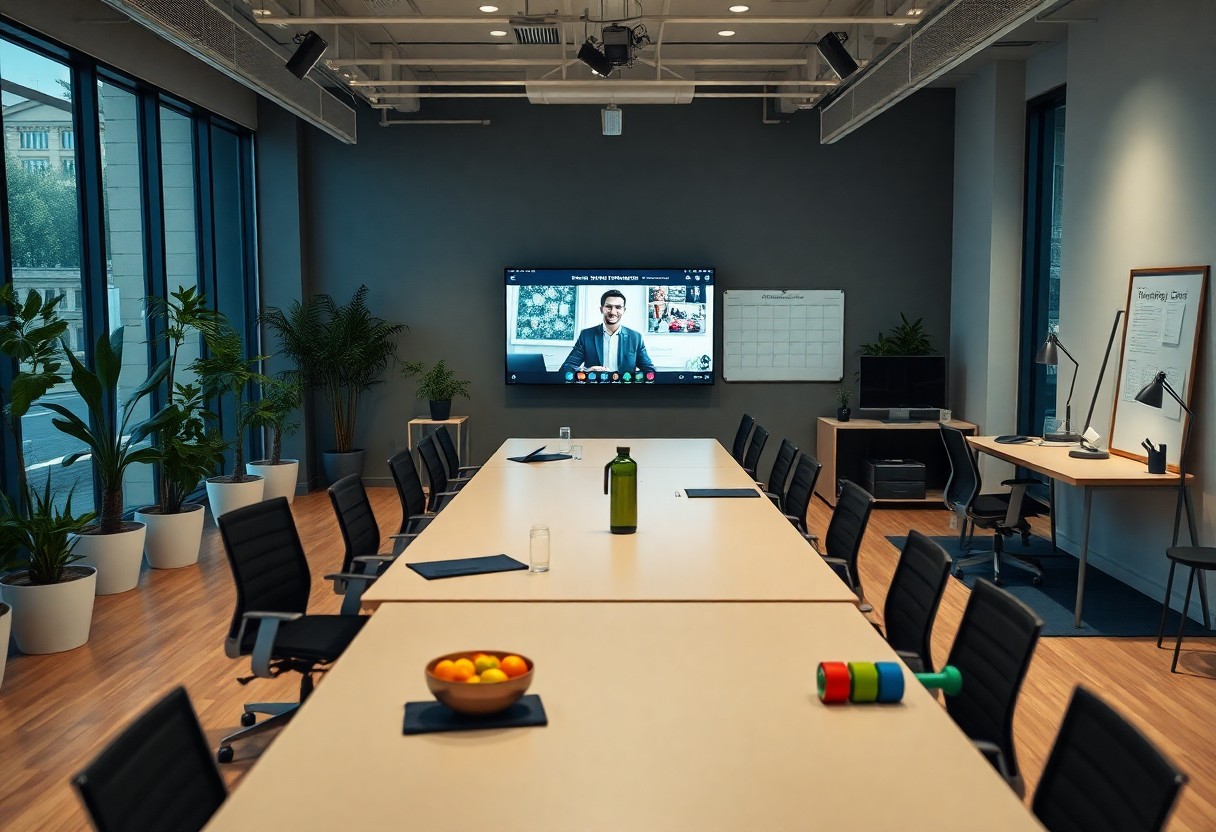
Workplaces that mix remote and office staff demand intentional supports so you can reduce burnout, limit isolation, and increase well-being through clear schedules, ergonomic setups, mental-health access, regular check-ins, and measured expectations.
Key Takeaways:
- Set clear expectations and protect boundaries: define core hours, support asynchronous workflows, and enforce time-off policies to reduce burnout.
- Train managers and build connection: offer manager coaching, mental health benefits, regular one-on-ones, and brief team rituals to sustain belonging and psychological safety.
- Invest in physical and digital wellbeing: provide home-office stipends, ergonomic assessments, reliable IT support, and short pulse surveys to monitor and improve wellbeing.
Establishing Digital Boundaries and Communication Protocols
Set clear digital boundaries by defining working hours, response expectations, and preferred channels so you avoid constant interruptions. Use policies that allow the right to disconnect and flag after-hours messages. Encourage managers to model breaks to reduce burnout risk.
Defining Availability and the “Right to Disconnect”
Clarify your availability by publishing consistent hours, expected response times, and preferred tools. Give everyone a formal right to disconnect after work and restrict non-urgent notifications, reducing the risk of burnout and preserving recovery time.
Transitioning to Asynchronous Workflows to Reduce Fatigue
Shift team routines toward asynchronous workflows so you can prioritize deep work, limit meetings, and manage notifications. Document decisions in shared spaces and use clear deadlines to maintain momentum while lowering meeting-related fatigue and preserving focused time.
Adopt asynchronous practices by shifting meeting culture, using concise written updates, and centralizing knowledge in searchable spaces. You must set clear SLAs for expected responses and schedule weekly touchpoints to resolve complex issues. Without firm guidelines, asynchronous systems can create unseen overload or slow decision-making; mitigate this with priority queues, visible status indicators, and regular review to keep work flowing and reduce context switching and burnout risk.
Enhancing Physical Health in Distributed Environments
You can reduce musculoskeletal strain by promoting adjustable desks, proper monitors, and regular movement; consult 12 Strategies for Hybrid-Remote Employee Well-Being for practical, tested policies that support long-term health.
Implementing Ergonomic Support and Equipment Stipends
Offer targeted stipends so you can purchase chairs, keyboards, and monitor arms; pair funds with setup guidance to reduce posture-related pain and sick days.
Promoting Movement and Screen-Break Culture
Encourage short breaks each hour, standing meetings, and stretch prompts so you minimize eye strain and fatigue while sustaining focus.
Schedule policies that require micro-breaks, have managers model movement, and integrate reminders into calendars; when you reduce prolonged sitting-which raises cardiovascular and metabolic risk-you also lower burnout and improve concentration, measurable via quick wellbeing surveys and activity metrics.
Fostering Social Connection and Psychological Safety
You should set clear norms so you can share ideas safely; schedule short social rituals, enforce psychological safety, and watch for signs of burnout to reduce isolation.
Strategies to Combat Professional Isolation
Implement regular 1:1s and peer check-ins so you spot isolation early; rotate meeting formats, encourage short nonwork chats, and set boundaries to protect well-being.
Building Virtual Community and Peer Support Networks
Design recurring interest groups and mentorship circles so you connect purposefully; use async channels for praise, host casual drop-ins, and highlight peer support wins.
Encourage cross-team mentorship programs, structured onboarding buddies, rotating hosts for social events, clear moderation rules, scheduled low-pressure drop-in hours, recognition rituals in channels. Track engagement metrics and survey feelings of belonging; intervene when isolation or burnout spikes, and celebrate peer support successes to keep connection visible.
Prioritizing Mental Health Resources and Support
Offer clear pathways to mental health care so you and your team access support quickly; provide training, EAPs, an easy guide, and consult 6 Ways to Support Mental Health in the Hybrid Workplace for actionable steps.
Integrating Digital Wellness Tools and Telehealth Services
Adopt privacy-first wellness apps and 24/7 telehealth so you can schedule therapy, track stress trends, and access crisis lines; ensure clear reimbursement and strong data protections.
Destigmatizing Mental Health Discourse in the Workplace
Encourage open conversations and manager-led trainings so you and colleagues normalize help-seeking, reduce shame, and set psychological safety expectations across teams.
Train managers to respond to disclosures with confidentiality, offer timely accommodations, and signpost clear referral paths so you reduce harm from delays in care; implement anonymous pulse surveys, leadership storytelling, and peer-support groups to track progress and make help reliably safe for everyone.
The Manager’s Role in Cultivating a Healthy Culture
Managers shape daily norms; you set expectations, model breaks, and reinforce psychological safety so teams can speak up. Watch for signs of burnout and enforce clear boundaries between work and personal time.
Training Leaders for Empathetic Remote Oversight
You should train leaders in active listening, bias awareness, and remote feedback rhythms so they spot distress early. Prioritize consistent check-ins and measurable skills that reduce missed signals and prevent hidden silences.
Modeling Work-Life Integration at the Executive Level
Lead by example: you block visible calendar time for rest, decline after-hours meetings, and signal that taking breaks is standard; this reduces overwork pressure and models balance.
Provide concrete policies: give your team protected no-meeting blocks, enforce predictable work hours, and set firm guidelines for acceptable response times. Model visible time off and regularly use PTO so people see rest as permitted; when you demonstrate limits, you lower burnout risk and build sustained productivity.
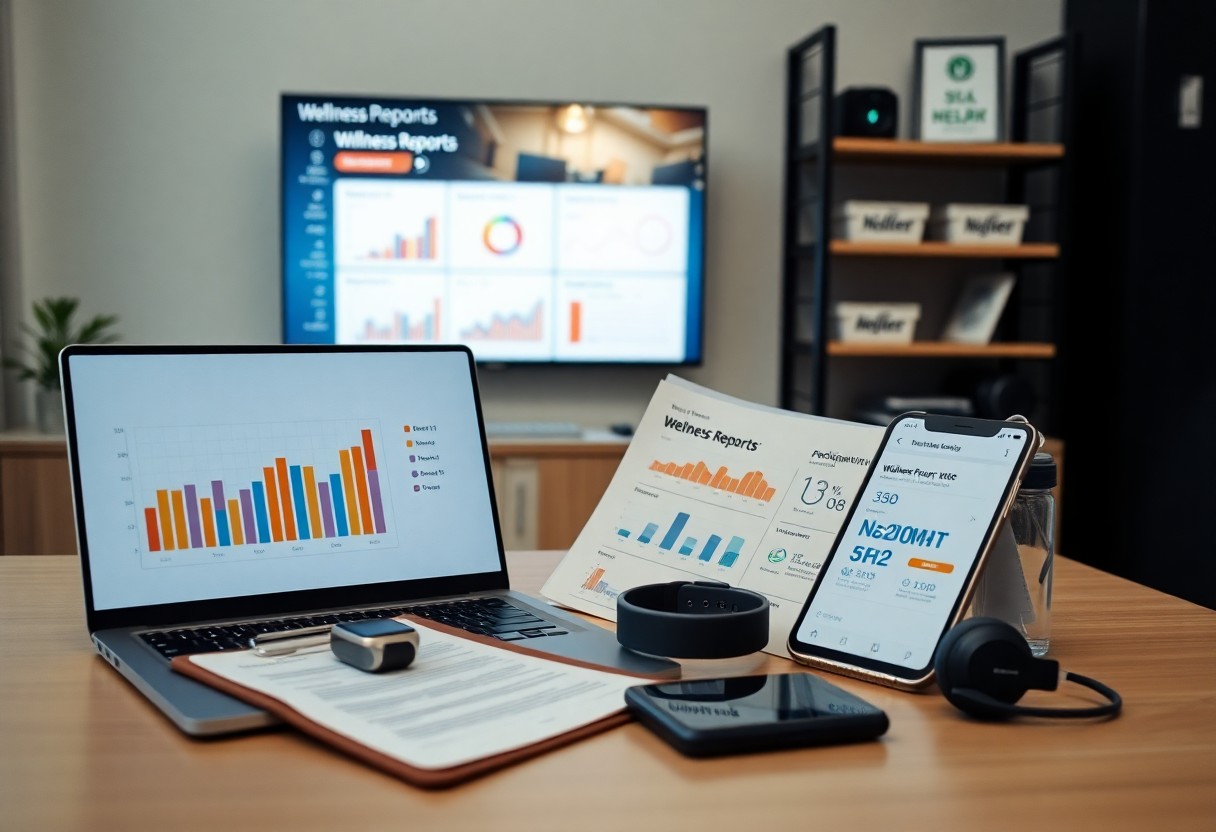
Measuring the Efficacy of Wellness Initiatives
Measuring your wellness initiatives means defining clear KPIs and scheduling regular reviews; track engagement rates, participation, self-reported stress, and absenteeism to judge impact.
Utilizing Data-Driven Employee Feedback Loops
Gather regular, anonymous feedback so you can spot burnout spikes, measure program relevance, and adjust offerings quickly using quantitative and qualitative inputs.
Correlating Wellness Programs with Retention and Productivity
Analyze participation alongside retention, performance scores, and output metrics so you can link programs to outcomes; emphasize reduced attrition and higher productivity when correlations appear.
Track cohorts over time and compare similar groups so you can estimate program effects; use regression, difference-in-differences, or matched controls, report statistical significance, and watch for confounders like role and workload. Protect anonymity and compliance to avoid privacy risks while attributing gains such as lower turnover and improved performance.
Conclusion
With this in mind, you must set clear boundaries, schedule regular check-ins, provide ergonomic resources, support mental-health days, and offer flexible routines so your team stays healthy, engaged, and productive in hybrid and remote work.
FAQ
Q: How can organizations help employees set boundaries and maintain work-life balance in hybrid and remote setups?
A: Organizations should set clear policies on core hours, expected response times, and guidelines for after-hours communication. Managers must model boundary-respecting behavior by avoiding messages outside agreed work windows and by honoring employees’ off time. Teams should use shared calendars for focus blocks and establish meeting-free days or designated no-meeting hours to protect deep work. Provide training on time management and prioritization, and encourage regular use of paid time off and mental health days.
Q: What practical steps improve mental and physical health for remote and hybrid employees?
A: Employers can offer ergonomic assessments, stipends for home-office equipment, and simple setup guides to reduce strain. Managers should hold regular one-on-ones that include explicit check-ins about workload and stress, with clear referral paths to confidential support. Teams can schedule short movement breaks, promote walking meetings, and add calendar reminders for screen breaks to reduce sedentary time. Provide access to counseling, mental health apps, and training so leaders can spot early signs of burnout and connect people to resources.
Q: How do teams maintain connection and inclusion across distributed and hybrid work models?
A: Create meeting norms that give equal voice to remote and in-person participants by using shared agendas, inviting input from quieter members, and defaulting to video when practical. Design onboarding and social rituals that include virtual options, such as mentorship pairings, small-group check-ins, and mixed-format social events. Rotate meeting times to accommodate different time zones and record sessions with clear summaries for those who cannot attend. Implement regular pulse surveys and transparent recognition systems so contributions are visible, and train managers to allocate learning and advancement opportunities fairly.
Leave a Reply