
Many workers like you face constant pressure; manage stress by taking short breaks, setting clear boundaries, prioritizing tasks, and using breathing techniques to reduce burnout risk and achieve improved focus.
Key Takeaways:
- Task prioritization and time-blocking reduce overwhelm and improve productivity.
- Short, regular breaks plus brief stretching or walks restore energy and lower stress.
- Clear boundaries about availability and candid conversations with managers allow workload adjustments and delegation.
Identifying Workplace Stressors
Identify common workplace stressors by listing tasks, deadlines, and interpersonal conflicts so you can spot patterns and set priorities; focusing on tight deadlines and toxic interactions helps you reduce chronic pressure.
Recognizing Physical and Emotional Indicators
You should note headaches, fatigue, irritability, sleep changes, or persistent worry so you can act early; flag rapid heartbeat and sudden anger as warning signs that need attention.
Analyzing Environmental and Situational Triggers
Review your workspace setup, workload spikes, unclear expectations, and team dynamics; mapping time-of-day stress lets you anticipate triggers and mark deadline overload as especially risky.
Consider keeping a concise stress log noting task type, duration, interruptions, noise, and involved people so you can spot repeating patterns; use that evidence to request schedule changes, shift meeting times, delegate tasks, or suggest environmental fixes that reduce exposure to constant interruptions and ambiguous roles.
Strategic Task Management
You manage workloads by breaking tasks into focused blocks, using quick triage and batching to reduce context switching. Use priority lists and schedule protected time. For techniques see How to Deal With Stress at Work: Practical Strategies …
Prioritization Frameworks for Peak Performance
Organize tasks with a simple urgent-versus-important matrix and tackle the top quadrant first to cut overload and boost clarity, so you complete higher-impact work with less stress.
Establishing Sustainable Professional Boundaries
Set clear limits on availability, communicate core hours, and protect breaks; saying no to extra tasks prevents gradual burnout and preserves your focus.
Boundaries you enforce reduce interruptions and set expectations; consistent follow-through, delegation, and calendar protected time keep workloads manageable. Use scripted responses to say no, log repeated requests, and discuss patterns with your manager before burnout erodes output and wellbeing.
Workspace Optimization
Optimize your workspace by keeping surfaces clutter-free, placing frequently used items within reach, and ensuring natural light and ventilation. Small adjustments help reduce stress and keep you focused during busy periods.
Ergonomics and Mental Clarity
Adjust your chair height so feet rest flat, set monitor top at eye level, and use a supportive wrist position; these moves prevent neck and back pain and clear mental clutter so you can concentrate.
Minimizing Digital and Sensory Distractions
Silence nonimportant notifications, schedule focused blocks, and tidy your screen so visual noise doesn’t break momentum; these steps protect your attention and sustain deep focus.
Consider creating specific routines: enable Do Not Disturb during focus sessions, batch-check email twice daily, use app timers, and reduce ambient stimuli like harsh lighting or strong scents. Avoid letting constant notifications trigger cortisol spikes that erode concentration; these changes preserve your energy and boost productivity over the long term.
Psychological Resilience Techniques
Practice brief resilience habits-micro-breaks, focused breathing, and clear boundaries-to lower acute stress and prevent burnout. You can reclaim control by tracking triggers and scheduling short resets that stop escalation before it harms performance.
Cognitive Reframing of Stress Responses
Reframe stress signals as cues to act, not threats; you reduce anxiety by naming thoughts, testing assumptions, and replacing catastrophizing with concrete next steps.
Cultivating a Growth Mindset Under Pressure
Adopt a growth mindset under pressure by viewing setbacks as feedback; you build resilience when you treat errors as learning opportunities and run small experiments to improve performance.
Recognize that pressure narrows focus and amplifies fear of failure; you can counter this by breaking tasks into tiny, testable steps, asking for targeted feedback, and celebrating micro-wins to reinforce progress. Over time those habits lower reactivity and turn stress into controlled learning-use small experiments and rapid feedback to protect against burnout.
Communication and Social Support
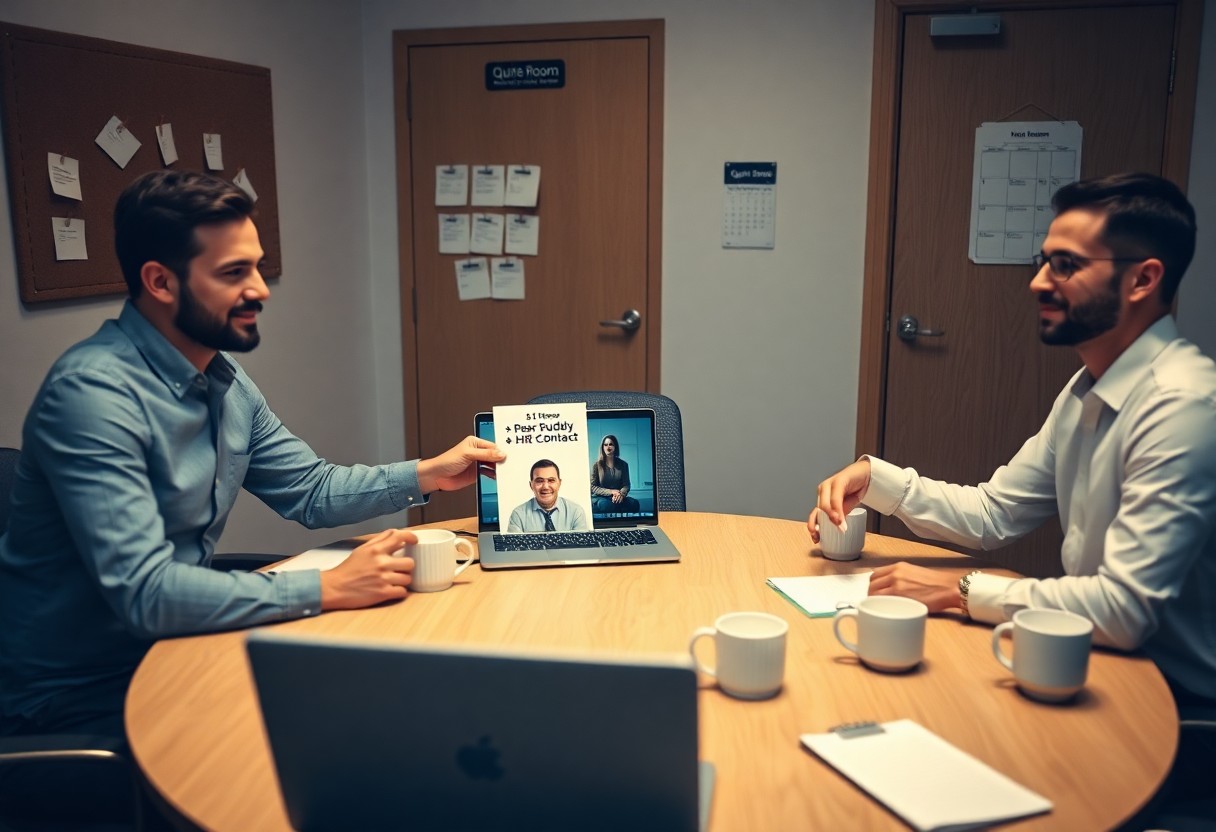
Open communication reduces stress; you should share workload concerns early, set clear boundaries, and ask for support when needed. Avoid uncontrolled venting, which can escalate tensions. Build a trusted support network and schedule regular check-ins to keep pressure manageable.
Navigating High-Stakes Conversations with Management
Plan meetings with concise facts, desired outcomes, and backup solutions; you should state priorities calmly and request timelines. Watch for signs of escalation and pause to regroup if needed. Emphasize implications for team wellbeing and offer actionable next steps to reduce ambiguity.
Leveraging Peer and Professional Networks
Tap peer groups and mentors for perspective, practical tips, and referrals; you should join industry forums or employee resource groups. Be aware of confidentiality risks when sharing sensitive details, and keep interactions focused on solutions. Celebrate small wins with peers to sustain morale and reduce isolation.
Cultivate relationships across functions and levels: you should schedule short check-ins, exchange resources, and offer reciprocal help to strengthen trust. Use external mentors for career perspective and internal allies for immediate problem-solving. Protect confidentiality, set boundaries around time commitments, and use trusted contacts for escalation before stress becomes chronic.
Recovery and Brief Interventions
Recovery strategies help you reset quickly during work; consult Stress relievers: Tips to tame stress for practical ideas. Try 2-5 minute resets-deep breaths, a short walk, or stretching-to lower heart rate and reduce errors.
The Efficacy of Periodic Micro-Breaks
Micro-breaks of 3-5 minutes every hour help you restore attention; stand, stretch, or look away from screens to reduce fatigue and lower mistakes, improving sustained performance across the day.
Practical Mindfulness for the Office Environment
Mindfulness techniques like box breathing or a 60-second body scan let you reset at your desk; use alarms or visual cues to build consistency and sharpen focus.
You can fit short mindfulness into your schedule by scheduling two three-minute sessions-mid-morning and mid-afternoon-and using anchors: breath, posture, or a sticky note. When stress spikes, stop and practice a 4-4-6 breathing cycle; regular repetition will decrease reactivity, improve clarity, and lower chronic tension over time.
Summing up
Taking this into account, you should set clear boundaries, schedule short restorative breaks, prioritize tasks, practice brief breathing exercises, and seek support when needed to reduce stress and sustain focus and productivity at work.
FAQ
Q: How can I manage my workload and prioritize tasks to reduce stress at work?
A: Use a simple to-do list and mark 2-3 top priorities for the day. Apply the Eisenhower matrix to sort tasks into urgent/important categories and focus on high-impact items first. Block specific times on your calendar for focused work and set a timer to protect those periods. Break large projects into smaller, time-bound steps with clear next actions to avoid overwhelm. Group similar tasks to reduce context switching and estimate realistic time budgets for common activities. Discuss deadlines and capacity with your manager when workload grows, and delegate tasks that others can handle while declining low-value requests politely.
Q: What quick stress-relief techniques can I use during the workday?
A: Practice box breathing: inhale for four counts, hold for four, exhale for four, and repeat three to five times to lower heart rate and calm the mind. Take short movement breaks every 60-90 minutes to stretch or walk and release built-up tension. Step outside for five minutes of fresh air and natural light to reset your focus. Use a 5-10 minute guided mindfulness or body-scan exercise during lunch to reduce mental clutter. Mute noncrucial notifications and clear desktop or inbox clutter to lower cognitive load. Stay hydrated and choose balanced snacks to prevent energy dips that increase stress.
Q: How do I set boundaries and maintain work-life balance to prevent chronic stress?
A: Set firm start and end times for your workday and block personal commitments on your calendar as you would meetings. Communicate response expectations and availability to colleagues and clients so boundaries become shared norms. Create a clear end-of-day ritual, such as a short walk or a quick workspace tidy, to mark the transition from work to personal time. Turn off work notifications outside scheduled hours and use an out-of-office or delayed-response message when you need uninterrupted time. Schedule regular exercise, social activities, and short breaks into your week to recharge, and raise persistent workload or scheduling conflicts with HR or your manager for longer-term adjustments.
Leave a Reply