
Workplace safety and trust depend on you to set clear expectations, model respect, and address harassment to avoid harm while promoting well-being; see Leadership for a healthy work environment – a question about …
Key Takeaways:
- Leaders build psychological safety by encouraging open feedback, admitting mistakes, and acting on employee concerns.
- Clear expectations and regular, specific feedback create predictable paths for growth and fair recognition of contributions.
- Visible support for work-life balance, access to mental-health resources, and removal of administrative obstacles boost morale and retention.
Establishing a Foundation of Psychological Safety
Creating clear norms helps you encourage psychological safety by modeling respectful feedback, protecting team members from public blame, and rewarding candid questions. You should set regular rituals where people can speak up without penalty and feel that honest input changes decisions.
Encouraging Vulnerability and Transparent Communication
Invite team members to share doubts and propose solutions; you must model vulnerability first. Make sure transparent communication becomes routine by asking for reflections, celebrating honest updates, and avoiding public shaming when problems surface.
Normalizing Constructive Failure as a Learning Tool
Normalize quick experiments and postmortems so you treat mistakes as data, not sin. You should highlight learning points, shield contributors from blame, and reward deliberate attempts to improve through iteration.
Practice structured debriefs after experiments and setbacks so you extract specific lessons, document what changed, and assign safe follow-ups. You must track recurring issues, reward transparent reporting, and ensure no individual is publicly blamed; this protects psychological safety and turns failures into measurable organizational learning.
Prioritizing Holistic Employee Well-being
You should integrate physical, mental and social supports into daily practice, offering benefits, breaks and access to counseling so teams feel cared for. Emphasize psychological safety and routine check-ins to detect stress early and protect mental health.
Implementing Flexible Work Arrangements and Autonomy
Allow flexible schedules and remote options while setting clear outcomes so you can preserve productivity and trust. Granting measured autonomy reduces stress and supports work-life balance, but monitor performance metrics to spot declining engagement or missed deadlines early.
Proactive Strategies for Burnout Prevention
Monitor workloads, rotate high-stress tasks, and require regular breaks so you limit chronic strain. Train managers to spot burnout signals and act quickly; early intervention prevents long-term absence and preserves team performance.
Create a systematic approach: conduct regular pulse surveys, implement workload caps, schedule recovery periods, and require manager check-ins. Use data to identify teams with rising stress, offer confidential counseling, and adjust priorities. Emphasize rapid response to warning signs and clear return-to-work plans to reduce resignation risk.
Cultivating Growth Through Continuous Development
You schedule regular learning sprints and stretch assignments so teams keep progressing; continuous development with clear feedback prevents stagnation and improves performance.
Structuring Mentorship and Peer-to-Peer Coaching
Design mentorship pairings and peer coaching rhythms that match your team’s skills and learning styles; regular check-ins and short rotations expose you to new approaches while accelerating onboarding.
Aligning Individual Career Paths with Organizational Goals
Map career conversations to your organization’s objectives so every role shows a path to impact; transparent milestones increase motivation and reduce turnover.
Build individual development plans tied to quarterly business objectives, define measurable milestones, and discuss progress in one-on-ones; misalignment risks-such as hidden skill gaps and rising attrition-fall when you map skills to roles, while transparent promotion criteria improve retention, clarity, and overall performance.
Leveraging Recognition to Drive Engagement
Recognition that is timely and specific keeps you connected to your team and boosts morale; use public praise for wins and private feedback for growth to reduce resignation risk and increase retention.
Designing Meaningful and Personalized Reward Systems
Customize rewards so you match recognition to what motivates each person; offer development, time-off, or public acknowledgment to deliver meaningful appreciation and avoid generic, demotivating gestures.
Validating Contributions Beyond Key Performance Indicators
Recognize that not all impact shows in metrics; call out mentoring, culture work, and quiet problem-solving so you credit the full contribution beyond KPIs.
Document examples of non-measured contributions in performance conversations, ask peers for specific instances, and set simple qualitative indicators you track. By doing this you prevent unnoticed effort from becoming a retention problem and signal that you value both outcomes and the behaviors that produce them.
Integrating Emotional Intelligence into Management
Building emotional intelligence into management means you read cues, manage your responses, and set examples that create psychological safety, reduce miscommunication, and prevent escalation.
Practicing Active Listening and Empathetic Leadership
Listening actively lets you validate feelings, clarify needs, and signal respect; use questions, silence, and paraphrase to build trust and defuse tension before it becomes harmful.
Managing Workplace Conflict with Neutrality and Respect
Approach conflict with neutrality so you avoid taking sides, enforce fairness, and keep focus on behaviors and outcomes rather than personalities; that prevents bias and reduces escalation.
Neutrality requires you to establish clear, documented processes: begin with private, equal meetings, ask open questions, summarize each perspective, and avoid assigning blame. Use neutral language, gather facts, and bring in a trained mediator when necessary. Prioritize confidentiality, set clear expectations, and follow up promptly to prevent resentment and potential escalation or legal exposure.
Strengthening Inclusion and Belonging
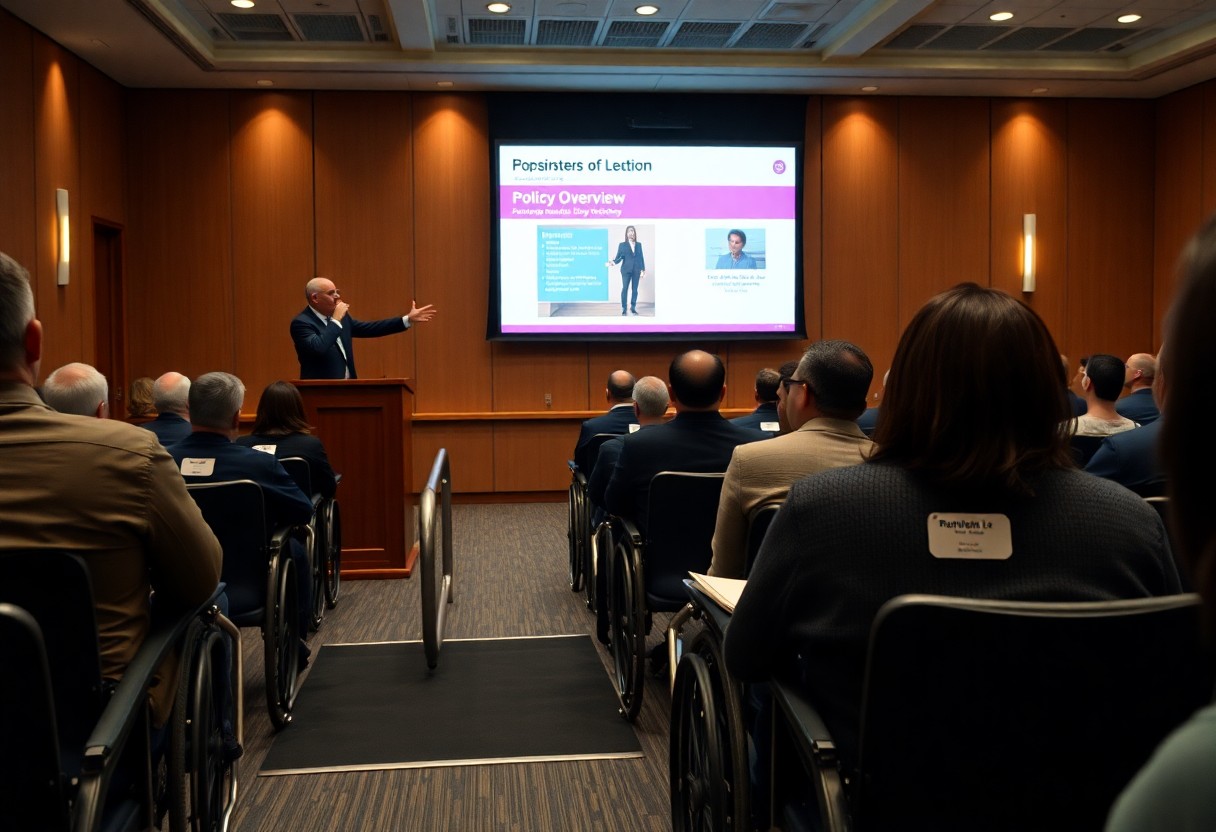
Teams thrive when you prioritize everyday practices that build psychological safety and reduce exclusion; set clear norms, solicit input across levels, and act on feedback to sustain belonging.
Mitigating Unconscious Bias in Decision-Making
Decisions you make shape fairness; implement structured criteria, anonymize resumes, and require diverse panels to minimize unconscious bias and the risk of legal or cultural harm.
Fostering a Culture of Shared Values and Community
Every interaction signals values; when you model inclusion, celebrate diverse perspectives, and align incentives with respect, you reinforce shared values and reduce alienation.
Leaders who deliberately codify behaviors, rituals, and decision principles give you practical tools to make inclusion habitual: publish a clear code of conduct, host cross-team forums, and tie recognition to collaborative contributions. Watch for tokenism as a dangerous sign and amplify stories that reflect real belonging to strengthen alignment with shared values and improve retention.
Conclusion
From above, you can build a supportive work environment by setting clear expectations, modeling respect, offering consistent feedback, and providing growth opportunities; trust and open communication will increase engagement and retention.
FAQ
Q: How can leaders create psychological safety so team members speak up and take healthy risks?
A: Leaders should model openness by acknowledging their own mistakes and asking for input. Establish clear norms that encourage questions and honest feedback, and respond to concerns without blame so people see their voice leads to constructive action. Run regular retrospectives and anonymous suggestion channels to surface issues, and commit to follow-up that demonstrates meaningful change. Train managers in active listening and bias awareness to ensure consistent treatment across the team.
Q: What practical steps can leaders take to support employee well-being and work-life balance?
A: Offer flexible schedules, hybrid options, and clear boundaries about after-hours communications. Set expectations on workload and deadlines, redistribute tasks when teams are overloaded, and encourage use of vacation and personal days by visibly taking time off yourself. Provide access to mental health resources, coaching, or employee assistance programs and deliver training on stress management. Monitor workload through regular 1:1s and adjust priorities when patterns of burnout appear.
Q: How should leaders handle conflict to maintain a supportive environment?
A: Address conflicts early in a private setting and focus the conversation on specific behaviors and impacts rather than personal attributes. Use active listening and open questions to understand all perspectives, and agree on concrete actions and timelines to resolve issues. When mediation is required, involve a neutral HR partner and document agreements to ensure accountability. Offer targeted coaching or communication skill development when conflicts repeat, and follow up to confirm progress.
Leave a Reply