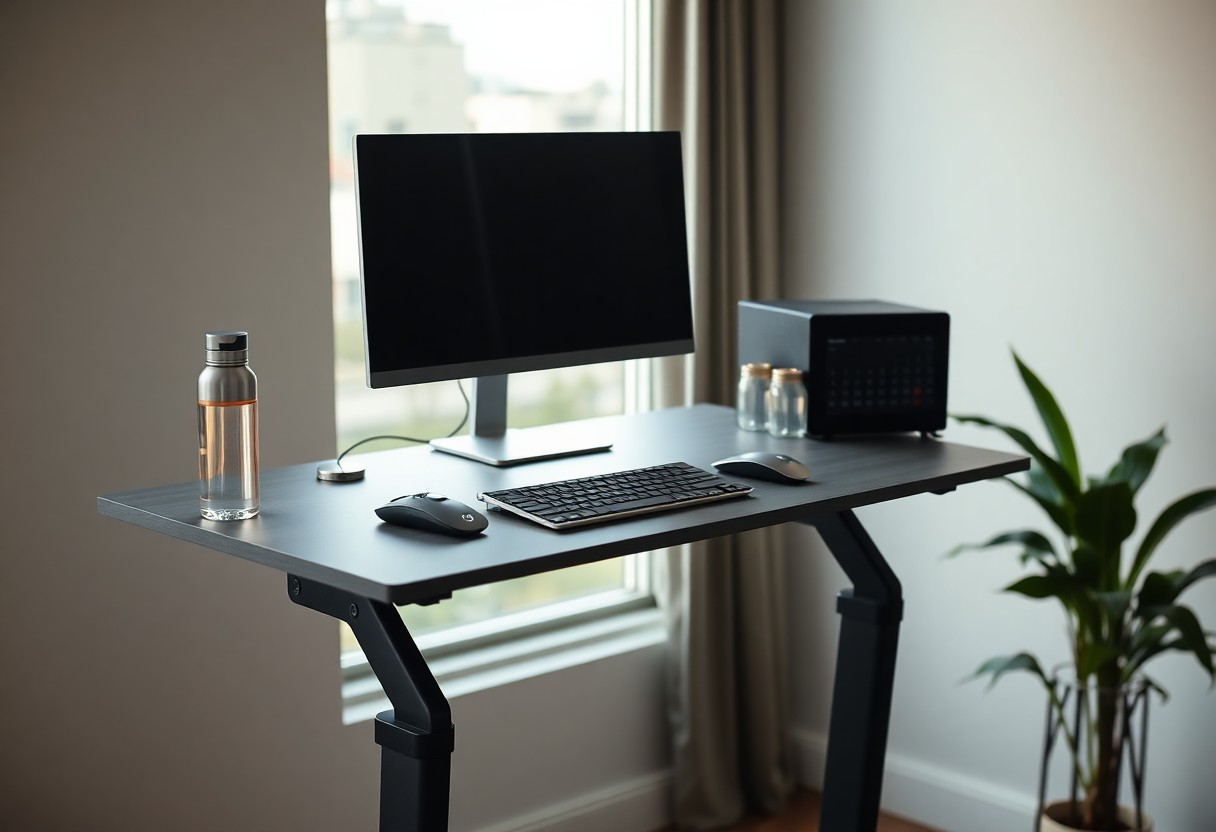
Most days you juggle back-to-back tasks; schedule micro-breaks, maintain ergonomic posture, hydrate, and plan nutritious meals to prevent burnout and repetitive-strain injury while improving energy and concentration.
Key Takeaways:
- Use focused work blocks (25-50 minutes) with 5-10 minute micro-breaks to boost concentration and prevent burnout.
- Set firm boundaries by blocking protected time, muting noncrucial notifications, and communicating availability to colleagues.
- Adopt quick health habits such as ergonomic desk adjustments, hourly standing or short walks, regular hydration, and brief desk stretches to sustain energy.
Ergonomic Optimization for Peak Performance
Adjust your workstation to reduce fatigue: set the monitor at eye level, keep elbows near 90°, and use a chair that supports your lower back. Short breaks and micro-movements prevent stiffness. Avoid forward head posture and prolonged slouching to maintain alertness and reduce injury risk.
Precision Workspace Alignment and Posture
Align your monitor, keyboard, and chair so your wrists remain neutral and your eyes meet the top third of the screen. Sit with feet flat and pelvis supported. Overreaching and craning your neck cause repetitive strain; small daily adjustments prevent chronic pain and preserve productivity.
Essential Tools for Reducing Physical Strain
Use ergonomic keyboards, vertical mice, and an adjustable chair to distribute load and minimize strain on your wrists. Add a monitor arm and footrest to match your posture. Improper tools increase your risk of carpal tunnel and back injury, so invest in quality to sustain long-term comfort.
Choose tools that match your tasks and your body: test keyboard tilt and mouse size, set lumbar support to fill your spine’s natural curve, and try a sit-stand desk to alternate posture. Prioritize devices with adjustable settings and breathable materials. Ignoring fit or forcing fixed positions increases your risk of strain and long-term injury, so trial options and adjust until movements feel effortless.
Nutritional Strategies for Sustained Energy
Balance your plate with protein, fiber, and healthy fats to sustain focus between meetings; choose whole grains and vegetables, and avoid refined sugars to prevent energy crashes. You’ll maintain steady output and fewer afternoon slumps.
Glycemic Management Through Smart Snacking
Snack on nuts, Greek yogurt, or an apple with peanut butter to pair carbs with protein and cut blood sugar spikes. You’ll avoid midafternoon crashes and sustain concentration for longer stretches.
Hydration Protocols for Cognitive Clarity
Hydrate consistently: sip water throughout the day to prevent dehydration-related fog. You should aim for about 8 to 10 cups, increase intake during long meetings or warm offices, and limit excess caffeine that promotes fluid loss.
Aim to carry a refillable bottle and set hourly sips so hydration supports steady cognition; this habit improves focus and reduces headaches. Observe urine color-pale straw is good, dark suggests low intake. Use low-sugar electrolyte mixes during heavy sweating, and avoid excessive plain water that can cause hyponatremia.
Integrating Movement into the Sedentary Workday
Sitting for long periods strains posture and energy; you can interrupt it with micro-breaks and short walks. Stand or move every 30-45 minutes, using timers to enforce consistency. These shifts lower pain risk and sharpen focus.
Desk-Based Mobility and Stretching Routines
Short mobility sets at your desk prevent stiffness: you can do seated hip openers, neck tilts, wrist circles, and standing calf raises. Perform each 30-60 seconds and breathe deeply. Consistent micro-stretches cut tension and boost circulation.
Implementing Active and Standing Meetings
Try converting short check-ins into standing or walking meetings to keep you energized and engaged. Limit sitting meetings under 30 minutes and circulate an agenda so time is efficient. Active meetings increase creativity and reduce sedentary risk.
Standing meetings work best for quick decisions: when you schedule them, set a clear agenda and time limit, and plan walking routes if outdoors. Encourage notes, limit screens, and rotate facilitators so you sustain momentum. Watch for fatigue or balance issues and offer chairs as needed to prevent injury.
Cognitive Recovery and Mental Well-being
Balance your mental energy by scheduling short restorative actions during workdays; you sustain focus and cut prolonged stress. Try two-to-five-minute micro-breaks, breathing exercises, or brief walks to lower the risk of burnout and preserve decision clarity across busy schedules.
The Science of Structured Micro-breaks
Research shows that planned micro-breaks restore attention through brief cognitive unloading; you gain measurable benefits in vigilance and error reduction. Adopt a 50/10 or 90/10 rhythm and monitor how regular pauses improve sustained performance and reduce mental fatigue.
Establishing Digital Boundaries and Focus Time
Turn on Do Not Disturb and disable nonnecessary notifications during focus blocks so you protect deep work from constant interruptions; your attention improves while context switching drops.
Block recurring focus periods in your calendar, mark them busy, and communicate availability; set an emergency escalation method so urgent issues still reach you. Use app timers, website blockers, and a brief twice-daily email check routine to cut interruptions and protect creative cognition.

Digital Wellness and Ocular Health
You can protect your eyes by scheduling regular breaks, adjusting monitor height and brightness, and using an ergonomic setup to reduce strain; short stretches and the 20-20-20 rule prevent headaches and dry eyes from prolonged screen use.
Mitigating Computer Vision Syndrome
Position your monitor about an arm’s length away, set comfortable text size and contrast, blink frequently, and take microbreaks to limit eye strain and blurred vision caused by extended screen sessions.
Managing Blue Light and Screen Exposure
Use blue-light filters, lower color temperature in the evening, and enable night mode to reduce sleep disruption; combine filters with regular breaks to cut overall exposure and ease eye fatigue.
Consider wearing blue-light glasses, dimming screens after sunset, and scheduling warmer tones; reducing evening exposure preserves melatonin cycles and improves sleep quality more than preventing speculative retinal harm.
Stress Mitigation and Psychological Resilience
You can reduce workplace stress by scheduling microbreaks, setting clear boundaries, and tracking triggers; these habits build psychological resilience and lower burnout risk.
Mindfulness Interventions for High-Pressure Moments
Breathe into 60-second grounding exercises during spikes of pressure to steady thinking and cut anxiety; practice short interventions that fit into meetings or commutes.
Cultivating a Restorative Workspace Atmosphere
Design your area to maximize natural light, control chronic noise, and declutter surfaces so you maintain calm focus and fewer interruptions.
Introduce small, practical changes: place a low-maintenance plant for air and mood benefits, set an adjustable monitor height and chair to prioritize ergonomics and avoid poor posture, use soft task lighting to reduce eye strain, and deploy noise-reducing headphones to mask distractions. Rotate tasks to prevent cognitive fatigue, schedule tech-free lunch breaks, and label storage to cut visual clutter so you sustain energy and reduce errors.
Summing up
Drawing together, you prioritize short breaks, ergonomic setup, focused task blocks, healthy snacks, and clear boundaries to sustain energy, reduce stress, and maintain productivity over time.
FAQ
Q: How can I maintain physical health at a desk job?
A: Set up an ergonomic workstation with your monitor at eye level, feet flat on the floor, and keyboard and mouse within easy reach to reduce strain. Take a brief movement break every 30-60 minutes to stand, walk, or perform simple stretches for the neck, shoulders, hips, and lower back. Use the 20-20-20 rule for eye care: every 20 minutes look at something 20 feet away for 20 seconds. Keep a visible water bottle and set gentle reminders to drink throughout the day to sustain energy and concentration. Choose protein-rich, whole-food snacks to avoid mid-afternoon crashes. Try standing or walking meetings and short walks during lunch to boost daily activity. Consider a sit-stand desk or anti-fatigue mat and consult an occupational health professional for persistent discomfort.
Q: How can I manage time and energy effectively when overloaded?
A: Start each week by ranking tasks by impact and deadline, then block calendar time for the top priorities and protect those slots from interruptions. Work in focused intervals of 45-90 minutes followed by short breaks to maintain concentration, assigning high-cognitive tasks to your peak-energy periods. Check email at set times, use canned responses for routine replies, and silence nonimportant notifications to minimize context switching. Batch similar activities such as calls, admin, or creative work to reduce transition costs. Say no, delegate, or suggest shorter meetings with clear agendas when requests do not match your priorities. Close the day with a two-minute plan listing three objectives for tomorrow to reduce morning decision load.
Q: How do I maintain mental well-being and avoid burnout with a heavy workload?
A: Define work hours and communicate availability to colleagues so you have predictable downtime for recovery. Build micro-recovery practices into the day, such as a five-minute breathing exercise, a brief walk outside, or a short stretch break. Keep regular social contact through quick check-ins with coworkers or weekly time with friends to sustain emotional support. Track hours, sleep quality, and stress levels for a few weeks to spot unsustainable patterns early and adjust workload or expectations. Limit after-hours work by setting a hard stop and using a brief transition ritual-changing clothes, a short walk, or a relaxation routine-to separate work from personal time. Reach out to a mental health professional if sleep problems, persistent anxiety, or loss of interest interfere with daily functioning.
Leave a Reply