-

WorkWell – Measuring Employee Wellbeing
It’s imperative you measure employee wellbeing to detect burnout risks, track engagement, and quantify benefits like increased retention and productivity; using regular surveys and analytics gives you actionable insights to protect staff and improve performance. Key Takeaways: WorkWell combines self-reported wellbeing scores with objective metrics (absenteeism, performance, turnover) to create a multi-dimensional measure. Frequent pulse…
-
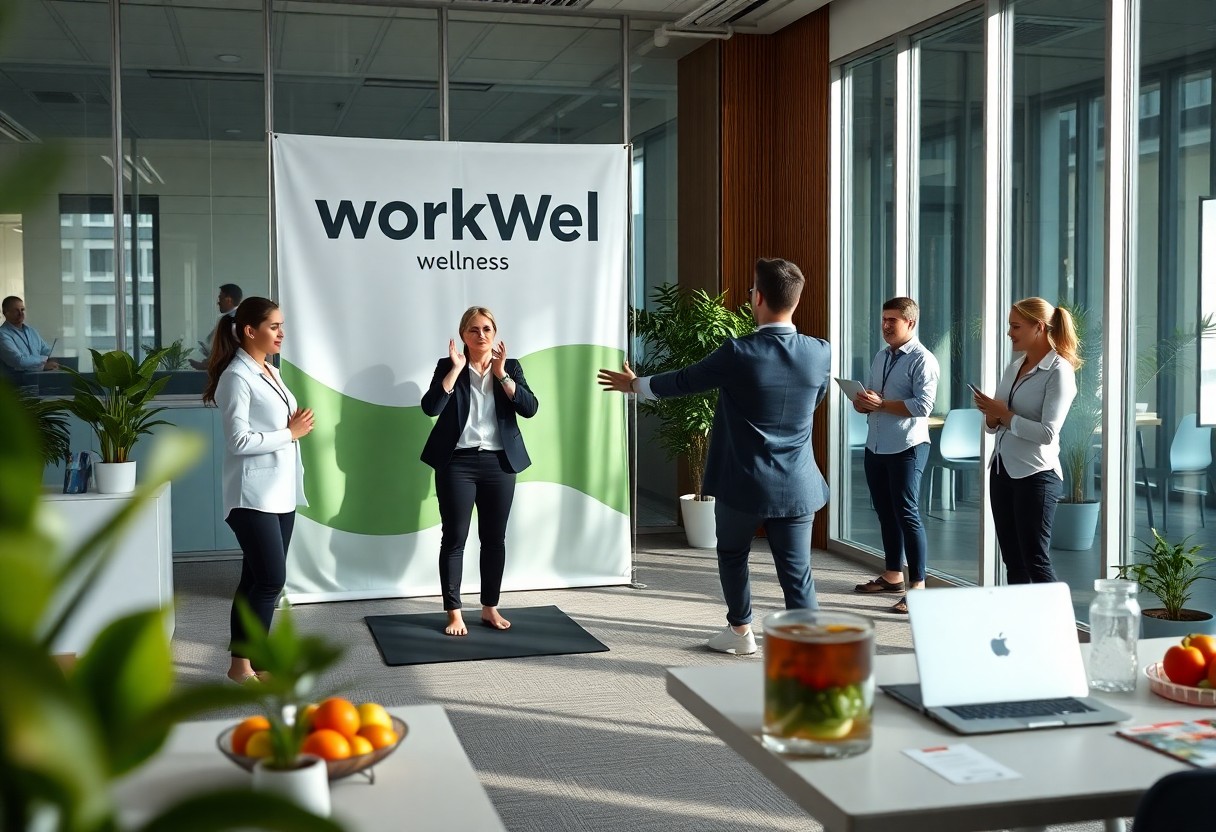
WorkWell – Corporate Wellness Programs That Work
Wellness programs guide you to cut burnout, lower healthcare costs, and boost productivity; you gain measurable ROI and reduced absenteeism when leadership aligns benefits with participation. Key Takeaways: WorkWell delivers measurable ROI by lowering absenteeism and healthcare costs and tracking participation and health outcomes. Programs integrate physical fitness, mental health resources, nutritional counseling, and flexible…
-

WorkWell – ROI of Workplace Wellness
Workplace wellness programs show measurable ROI, helping you cut costs, lessen burnout risks, and boost productivity-providing clear data to justify investment. Key Takeaways: Workplace wellness programs reduce healthcare costs and absenteeism, often delivering a positive ROI within 1-3 years through lower medical claims and fewer sick days. Productivity gains and lower turnover from improved employee…
-

WorkWell – Building a Wellness Strategy
There’s a workplace wellness strategy you can adopt to curb burnout risk, reduce absenteeism, and improve morale; implement clear policies, measurable goals, and leadership support to achieve improved productivity and mitigate mental health hazards. Key Takeaways: Align wellness programs with business goals and employee needs by conducting baseline assessments, defining measurable outcomes, and tying metrics…
-

WorkWell – Executive Leadership and Mental Health
It’s your leadership role that increases your burnout risk and worsens decision fatigue. You must address stress early and adopt proven mental-health practices to protect performance and wellbeing. Key Takeaways: High-pressure executive roles carry elevated risk of burnout, anxiety, depression, disrupted sleep, and impaired decision-making that undermine both personal health and organizational performance. Confidential, timely…
-

WorkWell – Wellbeing and Organizational Culture
Over 60% of employees report stress affecting performance; you must address mental health risks to protect staff and outcomes. You gain higher retention and sustained performance when you align policies with wellbeing and track progress. Key Takeaways: Workplace wellbeing programs that integrate mental, physical and social supports reduce absenteeism, lower healthcare costs and boost employee…
-

WorkWell – Psychological Health and Safety Standards
Workplace exposure to psychological hazards can harm you; WorkWell – Psychological Health and Safety Standards guide you to assess risks and implement controls that protect your mental health and reduce serious harm. Key Takeaways: WorkWell outlines a framework for identifying, assessing, and controlling psychosocial hazards to protect employee mental health and safety. The standard requires…
-
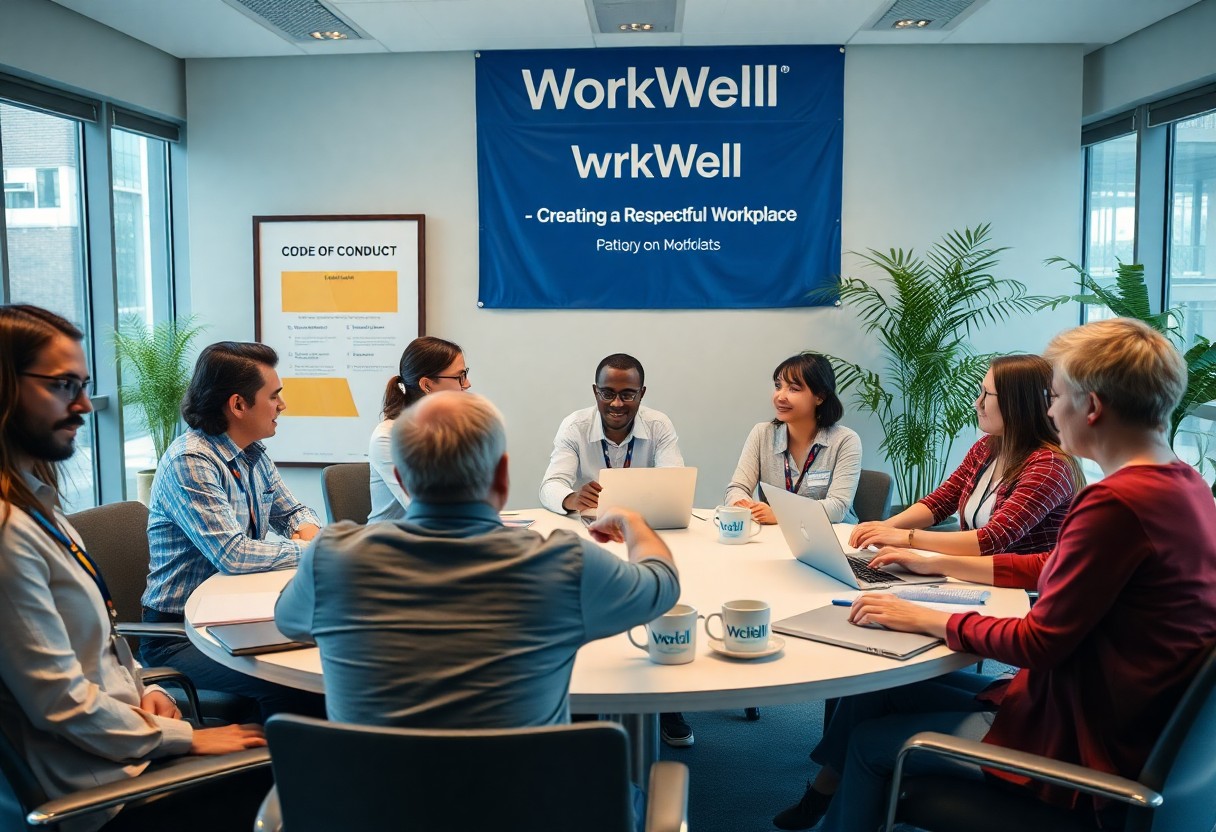
WorkWell – Creating a Respectful Workplace
Just you can shape a workplace where respect is nonnegotiable: clear policies stop harassment risks, timely reporting protects victims, and consistent leadership delivers higher retention and productivity you can measure. Key Takeaways: Clear anti-harassment and anti-discrimination policies outline unacceptable conduct, reporting procedures, and consequences. Managers model respectful behavior, address complaints promptly, and apply policies consistently.…
-

WorkWell – Optimism and Performance
Workplace optimism boosts productivity and morale, but unchecked optimism can create dangerous blind spots; you must balance optimism with critical assessment to sustain performance gains and long-term results. Key Takeaways: Employee optimism correlates with improved performance: optimistic workers show greater persistence, faster recovery from setbacks, higher creativity, and lower burnout, which raises productivity. Manager behaviors…
-

WorkWell – Gratitude and Workplace Morale
Morale collapses without recognition; you must invest in regular thanks to prevent burnout, stop toxic culture, and drive employee retention and higher performance. Key Takeaways: Manager and peer expressions of gratitude raise employee morale, engagement, and retention by signaling appreciation and value. Simple, consistent practices such as public recognition, handwritten notes, and regular peer-to-peer shout-outs…