-

Your People Do Not Need More Resilience Training. They Need Less Avoidable Strain
Just because your team keeps pushing through burnout doesn’t mean they’re strong-it means they’re enduring avoidable strain. Resilience training won’t fix broken systems. Excessive workload, poor communication, and lack of control drain energy faster than any workshop can restore it. You don’t need tougher people. You need safer, fairer, and more humane work. Key Takeaways:…
-
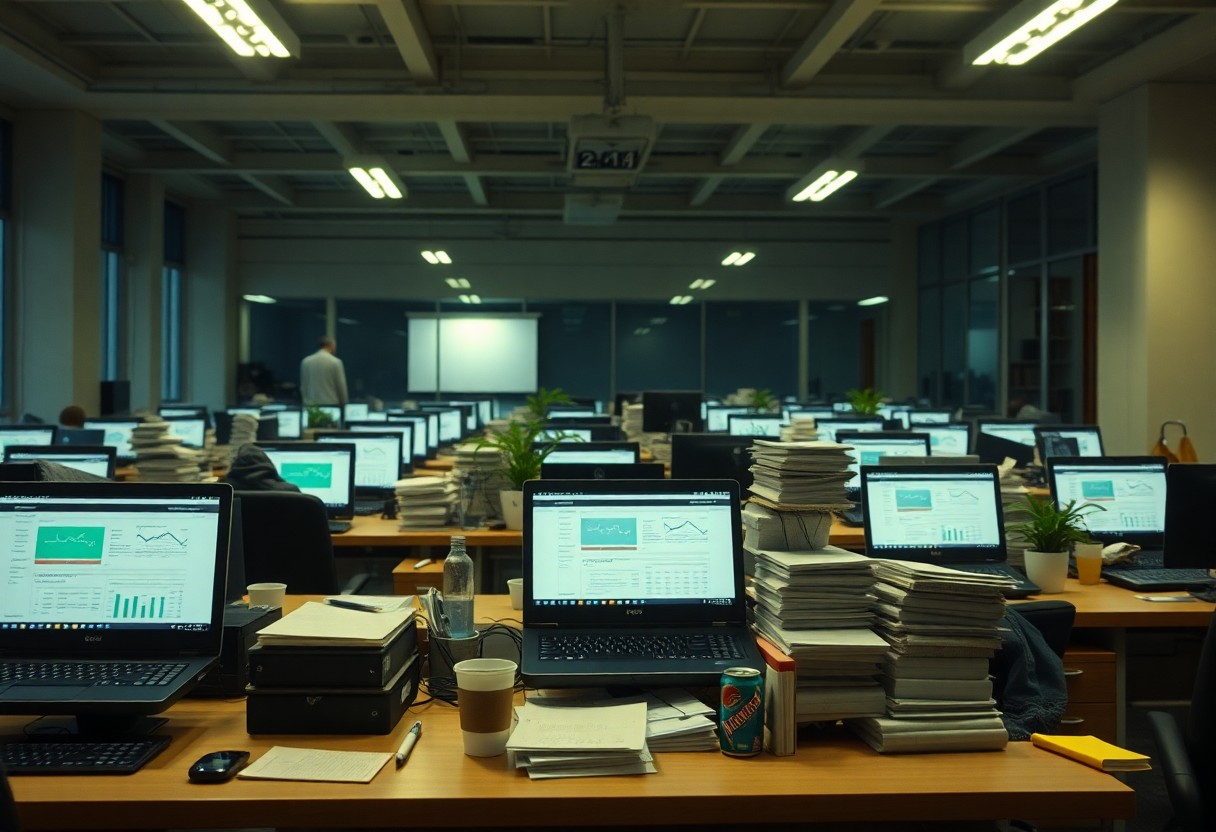
Your Employees Are Not Disengaged. They May Be Depleted
With constant demands and shrinking recovery time, your employees aren’t checked out because they don’t care-they’re running on empty due to chronic depletion. This state mimics disengagement but stems from emotional and mental exhaustion, not lack of motivation. Recognizing the difference allows you to respond with restorative action, not reprimands, and rebuild sustainable performance. Key…
-

The Hidden Cost of Exhausted Employees Is Showing Up in Your Business Results
Over time, exhausted employees erode productivity, increase errors, and weaken customer satisfaction-directly impacting your bottom line. You’re likely seeing slower project completion, higher turnover, and declining team morale, all signs of burnout. The most dangerous cost isn’t just lost hours-it’s lost potential in innovation and engagement that only energized teams deliver. Key Takeaways: Employee exhaustion…
-

You Cannot Incentivize Wellness While Rewarding Overload
It’s impossible to promote true well-being when your culture glorifies burnout. Working late is praised, while rest is stigmatized. You’re told to meditate, yet buried in back-to-back meetings. This contradiction erodes trust and deepens exhaustion. Real change starts when rewards align with recovery, not just output. Key Takeaways: Wellness initiatives fail when workplace culture glorifies…
-
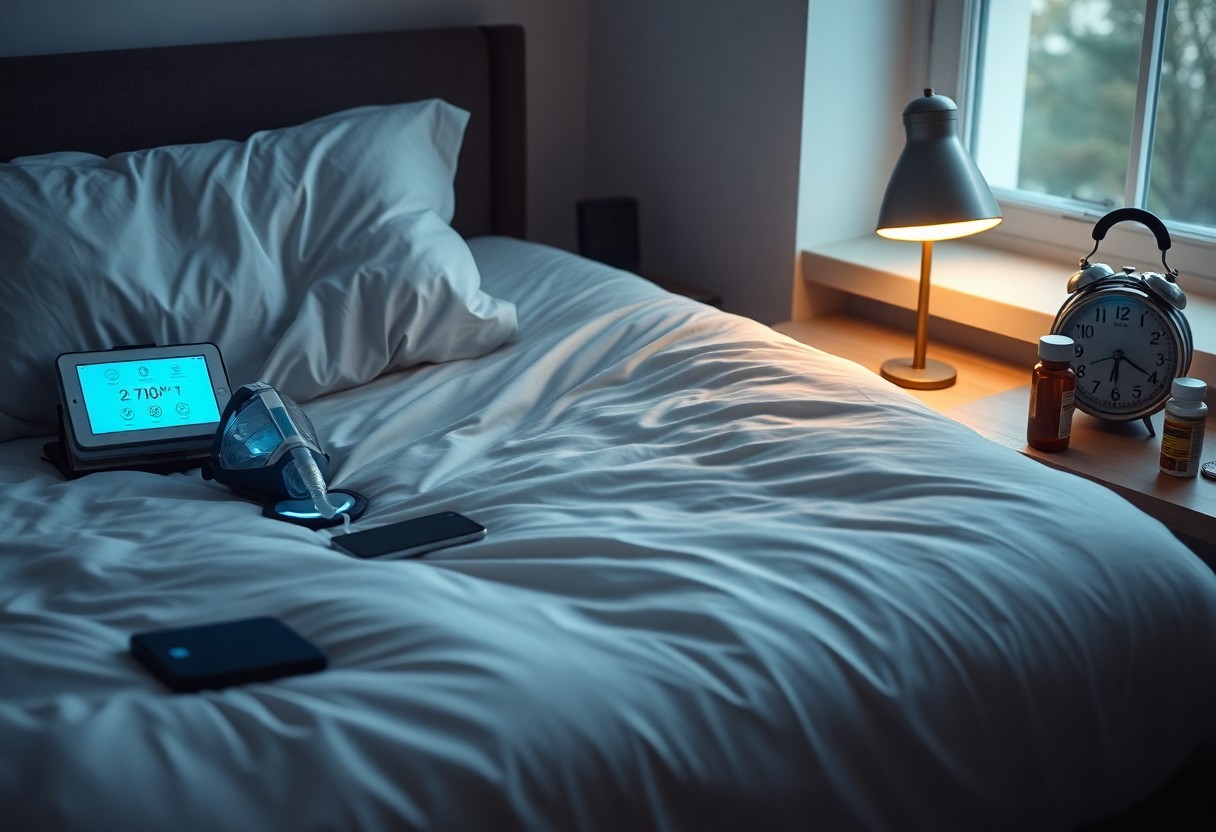
The Hidden Reason You Still Feel Exhausted After Sleeping
Fatigue lingers even after eight hours of sleep because poor sleep quality often overrides quantity. You may be cycling through fragmented stages, never reaching deep, restorative rest. Conditions like sleep apnea or high stress can sabotage recovery, leaving you drained. Addressing these hidden disruptions transforms how refreshed you feel each morning. Key Takeaways: Poor sleep…
-

Why Your Nervous System May Be Running Your Life
You react before you think-your body tenses at a tone of voice, your heart races before danger appears. Your nervous system shapes your emotions, choices, and relationships without conscious input. When stuck in survival mode, it can silently drive anxiety, burnout, and chronic stress. But understanding its patterns gives you real control. Key Takeaways: Your…
-

The Wellness Trend Everyone Is Talking About In 2026
With biofield tuning emerging as the most discussed wellness practice in 2026, you’re likely encountering sound-based healing in mainstream routines. This method uses measurable vibrational frequencies to align your body’s energy, offering clinically observed reductions in anxiety and chronic pain. While unregulated devices pose potential risks, certified practitioners deliver safe, transformative results backed by growing…
-

How To Reset Your Body Without Starting Over
Over time, your body accumulates stress, poor sleep, and inconsistent habits that slow metabolism and drain energy. You don’t need extreme diets or grueling workouts to fix it. Small, science-backed changes in hydration, movement, and rest can reset your system safely and effectively. You’re not starting from zero-you’re reclaiming balance. Key Takeaways: Your body responds…
-

The Real Reason Burnout Keeps Coming Back
It’s not poor time management or lack of self-care that keeps burnout returning-it’s chronic misalignment between your values and your daily work. When you consistently sacrifice meaning for output, emotional exhaustion becomes inevitable, no matter how many breaks you take. Recovery fails when the root cause remains unaddressed. Key Takeaways: Burnout often returns because people…
-

Why Better Sleep Starts Before Bedtime
Habits you follow during the day directly shape your sleep quality at night. Exposure to morning light resets your internal clock, while caffeine after 2 PM can disrupt sleep for hours. Consistent meal times and daytime movement improve nighttime recovery. What you do long before bed determines how fast you fall asleep and how deeply…