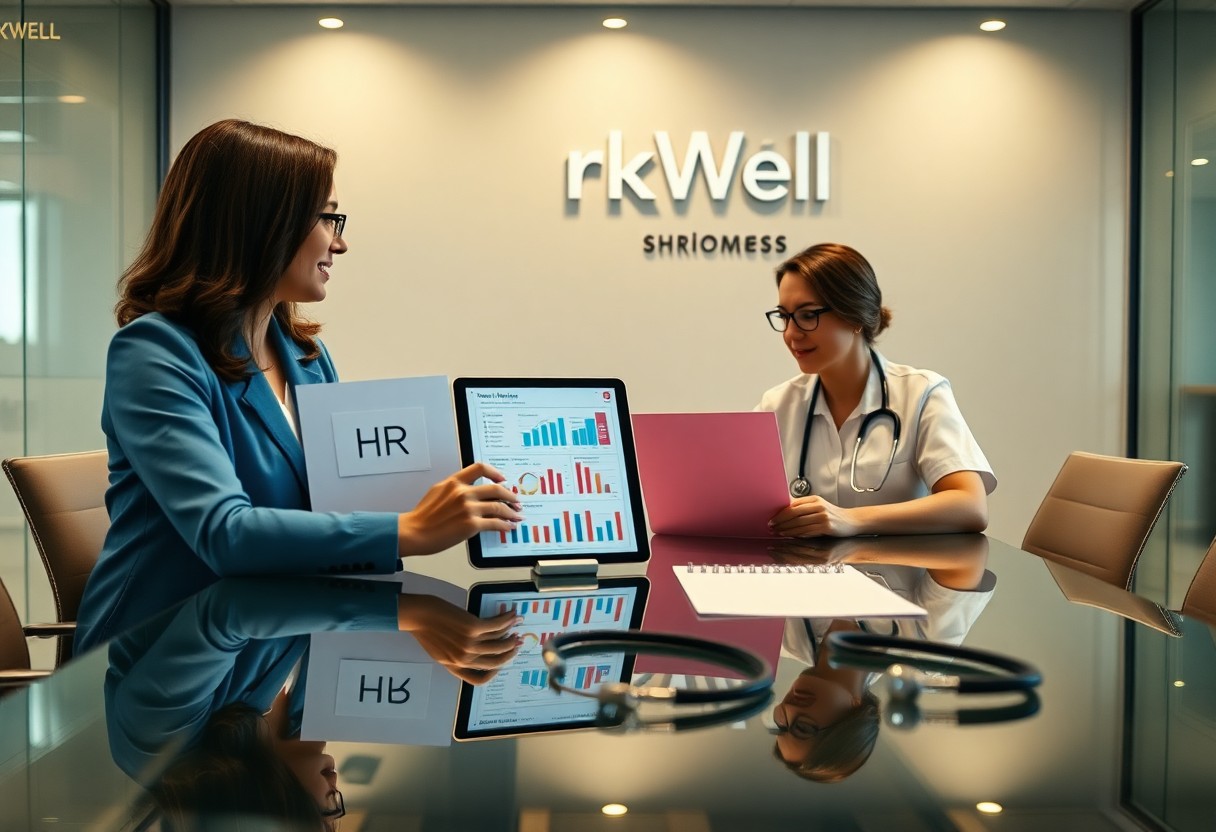
Just by aligning HR processes with health analytics, you gain the insight to mitigate hidden workplace risks while boosting workforce resilience; WorkWell gives you actionable data to reduce absenteeism, improve retention and cut healthcare costs, and it empowers managers and clinicians to coordinate care for a safer, more productive workforce. With clear metrics and compliant workflows, you can make informed decisions that protect employees and your bottom line.
Key Takeaways:
- Connects HR records and health data to enable proactive, data-driven wellbeing strategies.
- Boosts engagement and lowers absenteeism by delivering personalized prevention and support programs.
- Simplifies compliance and measures ROI, aligning health initiatives with organizational goals.
The Role of HR in Employee Well-Being
As HR, you translate health data into workplace action: by linking absence metrics, claims and engagement scores you target interventions where they matter most; many employers report reductions in sick days of up to 25% and lower turnover when programs match employee needs. Prioritize mental-health access and ergonomic fixes because burnout drives turnover and higher medical claims. Use dashboards and a cross-functional team to convert insight into policy within 90 days.
Understanding Employee Needs
You should start with layered listening: combine quarterly 5-question pulse surveys, short anonymous focus groups, and claims analysis to spot trends by role, shift and tenure. Segmenting often reveals that frontline staff report 15-40% higher musculoskeletal or stress-related issues than office roles. Then pilot targeted fixes-shift swaps, on-site stretching, or telehealth counseling-and measure uptake, symptom change and retention over a 6-12 week window.
Aligning HR Policies with Health Initiatives
You translate insights into policy changes like flexible scheduling, phased return-to-work pathways, mandatory ergonomic assessments and expanded preventive-care coverage. Tie clear KPIs-utilization rates, sick-days per FTE and program ROI-to your HR dashboards and review quarterly; organizations piloting phased returns often see quicker recovery and fewer long-term disability claims.
You operationalize by creating a cross-functional steering committee of HR, occupational health, finance and employee reps, then running a 3-6 month pilot with defined enrollment and baseline metrics. Budget a modest pilot (typically $50-200 per participant) for coaching, ergonomic kits or telehealth, track sick days, engagement scores and direct medical spend, and scale programs that deliver >10% improvement on primary KPIs.
Integrating Health Programs within HR Practices
You embed health programs into HR by automating enrollment via your HRIS, adding basic health screenings to onboarding, and running 6-12 month pilots for 12‑week coaching or smoking‑cessation tracks. Use quarterly dashboards that link participation to outcomes-absenteeism, short‑term disability, and healthcare spend per FTE-and set measurable targets (for example, a 10% drop in sick days). Prioritize data privacy and ROI from the start to scale what works.
Developing a Health-First Culture
Have leadership model behaviors: provide 2 mental‑health days, formalize 30‑minute wellness breaks, and include health goals in performance plans. You can pilot visible rituals-weekly walking meetings or healthy vending-then measure engagement and turnover; aim for incremental wins like a 5-10% reduction in voluntary turnover within 12 months. Strong executive sponsorship and clear policies turn perks into sustained cultural shifts.
Collaborating with Health Professionals
Partner with occupational health nurses, EAPs, local clinics, and telemedicine vendors to create referral pathways and onsite or virtual clinics. Structure contracts as 6‑ to 12‑month pilots with defined KPIs-participation rate, sick‑day reduction, and cost per claim-and require clinical oversight for return‑to‑work plans. Emphasize clinical governance to ensure safety and measurable impact.
Integrate clinician data with your HRIS using anonymized, aggregated reports and signed data‑sharing agreements; require a Business Associate Agreement or equivalent and limit PHI access to clinical teams. Track metrics monthly-absenteeism, short‑term disability claims, healthcare spend per FTE, and validated presenteeism scores-and run a 90‑day proof‑of‑concept with 20-100 employees. Protecting employee privacy is non‑negotiable, since breaches can negate program benefits.
Measuring the Impact of Health Initiatives
You should anchor measurement to baseline data and use both short- and long-term indicators: track absenteeism and presenteeism, healthcare spend, and productivity per employee, then compare pre/post program. For example, a mid-size firm saw a 22% drop in sick days and $300,000 annual savings after a 12-month wellbeing rollout, showing how tying outcomes to dollars and days makes ROI transparent for HR and finance.
Key Performance Indicators for Success
Focus on KPIs that map to business goals: target a 10% reduction in absenteeism, a 5-point uplift in engagement scores, 15% lower biometric risk prevalence, 60% program utilization, and NPS >30 for wellbeing services. Use validated tools like WPAI for presenteeism, and calculate cost-per-avoided-absence to show how health investments affect your bottom line.
Employee Feedback and Continuous Improvement
Use frequent pulse surveys, focus groups, and suggestion channels so you can iterate quickly; aim for monthly or quarterly pulses with closed-loop follow-up so employees see actions. Combine quantitative scores with verbatim comments to prioritize changes, and tie feedback loops to specific KPI adjustments to prove continuous improvement.
Design pulses with 5-7 targeted questions (engagement, barriers, preferred formats), set a response-rate goal of ≥60%, and route results to cross-functional teams within 7 days. Deploy digital platforms for sentiment analysis, run quarterly focus groups on high-risk cohorts, and track how feedback-driven changes correlate with outcomes-one client raised participation from 45% to 68% and achieved a 12% drop in turnover within a year.
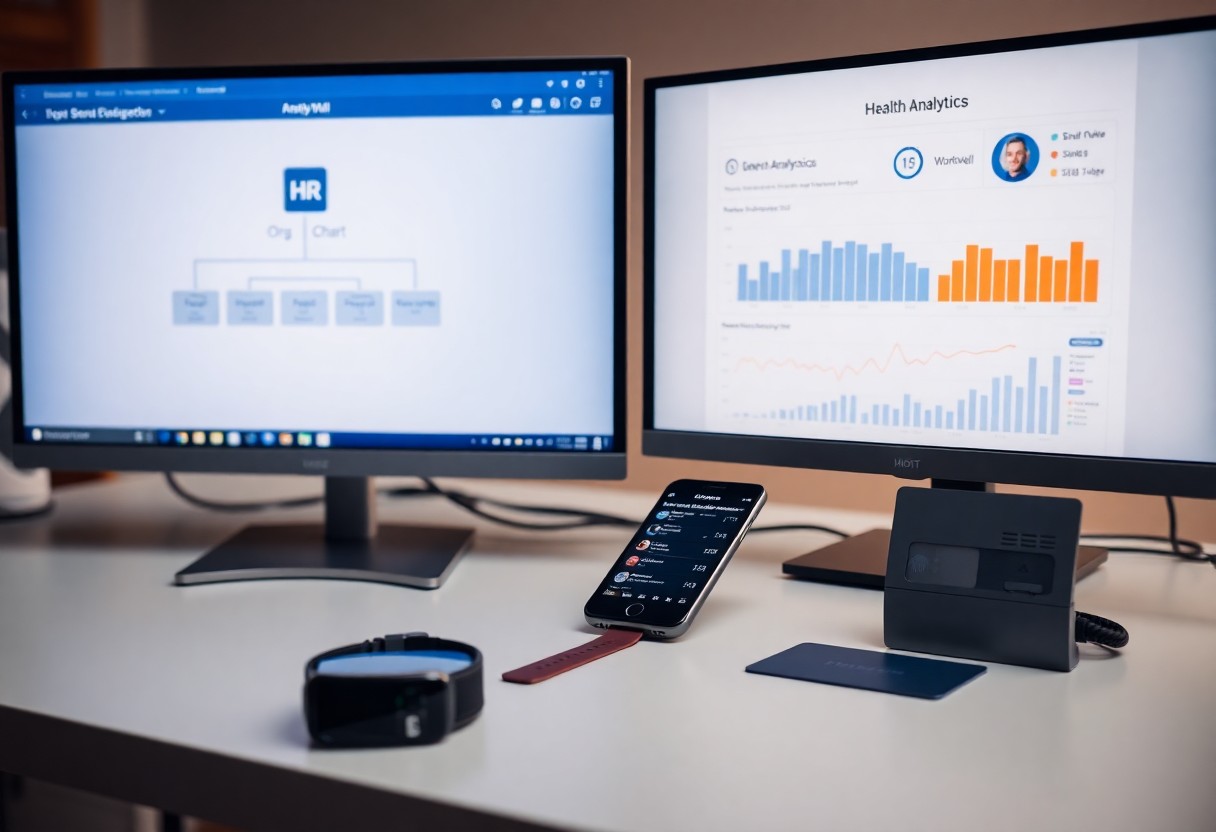
Technology’s Role in Bridging HR and Health
When you layer modern tools over HR workflows, you create a single view that links absence, claims and engagement data, enabling faster interventions and measurable ROI; Employers need to bridge the knowledge gap when it comes to health and wellbeing benefits and technology is the enabler – case studies show platforms can reduce absenteeism by 10-25% when matched to clear KPIs, though you must enforce data governance and consent.
Digital Wellness Platforms
You should choose platforms that integrate via HRIS and single sign-on so enrollment is automatic, deliver personalized nudges and telehealth, and support micro-interventions (stretch breaks, mental-health check-ins). Vendors that provide APIs let you push eligibility and outcomes into payroll and benefits systems, driving double-digit participation gains and simplifying reporting for managers and clinicians.
Data Analytics for Enhanced Decision-Making
You can turn siloed records into actionable insight by linking claims, absence, wellbeing survey and performance data to create cohort analyses and ROI dashboards. Predictive models and risk stratification highlight who needs early support, and you can track program impact with before/after metrics to justify spend-ensure models are explainable and auditable.
In practice, you’ll run segmentation (age, role, location) and A/B tests to validate interventions: for example, one employer found ergonomics coaching targeted to a 45-60 warehouse cohort cut musculoskeletal claims by 20% in 12 months. Implement survival analysis to forecast long-term leave risk, set automated alerts for high-risk cohorts, and deploy dashboards that show cost-per-claim, utilization rates and net savings. Also embed strict privacy safeguards and role-based access so managers see trends without exposing personal health data.
Case Studies: Successful HR and Health Collaborations
You can see direct ROI when HR systems and health analytics align: programs reduced absenteeism, lowered claims, and increased engagement, illustrating how integrated wellness programs and automated HRIS workflows scale outcomes across sectors.
- 1) Manufacturing firm: 18‑month ergonomics + on-site physio program cut lost‑time injuries by 42%, lowered workers’ comp payouts by $1.4M, and achieved a 3.2:1 ROI.
- 2) Tech company (10,000 employees): combined mental‑health screening and digital coaching reached 68% uptake, reduced sick days by 27%, and trimmed short‑term disability claims by 15%.
- 3) National retail chain: targeted biometric screening plus incentives raised preventive screening rates from 22% to 61%, cut turnover in piloted stores by 12%, saving an estimated $900K annually.
- 4) Public health system: integrated EHR + HRIS referral pathway increased behavioral‑health referrals by 45%, and reduced long‑term disability incidence by 22% within two years.
Innovative Approaches in Major Companies
You should study examples where Fortune 500 firms used on‑site clinics, telehealth, and predictive health analytics: one firm reported a 38% drop in emergency visits and saved $4.6M annually after deploying a centralized care navigation model tied to payroll and benefits data.
Lessons Learned from Effective Programs
You’ll notice programs that start with solid baseline data, strong leadership sponsorship, and easy HRIS enrollment perform best; pilot phases with measurable KPIs raised full‑program participation by over 30% in several cases.
In practice, you must align incentives, protect employee privacy, and iterate quickly: projects that combined executive sponsorship with multi‑channel communications saw engagement jump 20-35%, while neglecting data governance increased opt‑outs and risk; prioritizing transparent consent and anonymized analytics kept opt‑outs under 2% and preserved program momentum.
Future Trends in HR and Health Integration
Platforms will move from siloed tools to unified ecosystems where HRIS, EHR and benefits platforms share data via secure APIs; telehealth adoption surged 154% in early 2020, proving demand for virtual care, while AI-driven risk stratification and benefits personalization will let you target interventions to high-risk cohorts faster, cut administrative friction, and measure ROI in weeks rather than months.
The Rise of Telehealth Solutions
Telehealth now extends beyond urgent visits to chronic care, mental health and occupational medicine; you can deploy 24/7 virtual primary care and specialty consults that reduce wait times and unnecessary ER use, and major vendors scaled capacity rapidly during the pandemic-driving faster access and lower upfront cost for employees and HR teams.
Evolving Employee Expectations
Employees increasingly expect personalized wellbeing, flexible schedules and on-demand mental health support; surveys show a majority prioritize work-life balance and access to virtual care, so if you don’t adapt burnout and turnover rise, whereas offering integrated benefits improves engagement and attraction in competitive labor markets.
Operationally, you should combine digital mental-health platforms, teletherapy, and flexible leave policies: industry case studies report engagement lifts and measurable retention gains when employers bundle these services. Deploying analytics that link program use to absence and performance metrics lets you quantify impact-many organizations see 10-15% retention improvements or notable drops in short-term disability after targeted wellbeing initiatives, making the business case for scaling integrated HR-health programs.
Summing up
With this in mind you should see how WorkWell aligns HR processes with employee health to reduce absenteeism, boost engagement, and inform policy; by leveraging data and practical interventions you gain measurable ROI, clearer decision-making, and a healthier, more productive workforce that supports your strategic goals.
FAQ
Q: What is WorkWell and how does it help align HR and employee health?
A: WorkWell is a coordinated platform and methodology that connects HR processes with workplace health initiatives to improve wellbeing, productivity, and retention. It centralizes health program planning, employee engagement tools, and HR workflows so teams can design benefits, accommodations, and return-to-work paths that reflect actual health needs. Key elements include shared dashboards for HR and health leads, standardized intake and referral processes, cross-functional care pathways, and training for managers to support accommodations. By making data-driven decisions and streamlining collaboration, WorkWell reduces duplicated effort, shortens response times for health-related requests, and helps embed wellbeing into talent strategies.
Q: Which metrics should HR track to evaluate the impact of WorkWell programs?
A: Combine HR and health indicators to measure program effectiveness: participation and engagement rates, time-to-accommodation, absence and disability leave duration, short-term and long-term disability claims, presenteeism scores, employee satisfaction with health services, retention and turnover among impacted groups, and total health-related costs per employee. Use baseline comparisons, cohort analysis, and retention-adjusted ROI calculations. Dashboards that join utilization trends with performance and population health measures allow HR to spot gaps, prioritize interventions, and report outcomes to leadership in business terms.
Q: How does WorkWell protect employee privacy while enabling HR-health collaboration?
A: WorkWell enforces strict data governance so sensitive health information is shared only on a need-to-know basis. Techniques include consent-driven data collection, role-based access controls, de-identification or aggregation for reporting, encrypted storage and transmission, and clear vendor contracts addressing HIPAA/GDPR compliance where applicable. Operational policies separate clinical details from HR action items-HR receives only the information required to process accommodations or benefits. Regular audits, employee-facing privacy notices, and training for staff handling cases ensure safeguards stay effective while allowing appropriate collaboration.
Leave a Reply