
Just engaging in peer-to-peer support programs can significantly enhance your mental well-being and resilience. These programs allow you to connect with others who share similar experiences, creating a sense of community and belonging. By participating, you not only receive support but also have the opportunity to offer your insights and strengths, fostering a mutually beneficial environment. This collaborative approach is proven effective in reducing feelings of isolation and anxiety, ultimately leading to a more positive outlook on your personal and professional life.
Key Takeaways:
- Peer-to-peer support enhances employee engagement and well-being.
- Programs should be tailored to meet the specific needs of participants for greater effectiveness.
- Continuous feedback and adaptation improve program success over time.
Understanding Peer-to-Peer Support
Definition and Importance
Peer-to-peer support involves individuals with shared experiences providing assistance to one another. This support is vital as it fosters an environment of trust and empathy, allowing you to connect with others who truly understand your challenges. By sharing experiences and strategies, you not only feel less isolated but also gain practical insights that can enhance your well-being and resilience in dealing with personal or professional hurdles.
Key Components of Effective Programs
Effective peer-to-peer support programs incorporate several key components: a structured approach to pairing participants, ongoing training for supporters, regular check-ins, and an inclusive culture that encourages openness. These elements ensure that support is not only consistent but also tailored to the specific needs of participants, maximizing the effectiveness of the program.
Structured peer-to-peer matching is vital for success; it enhances shared experiences and relatability, which can lead to stronger connections. Training for supporters equips them with the necessary skills to listen and provide constructive feedback. Regular check-ins help maintain engagement and track progress, allowing you to feel supported throughout your journey. Lastly, fostering an inclusive culture invites diverse perspectives, making the program accessible and relatable to a wider audience. Case studies show that programs with these components often lead to higher participant satisfaction and better outcomes, as they stabilize and normalize the experience of seeking help.
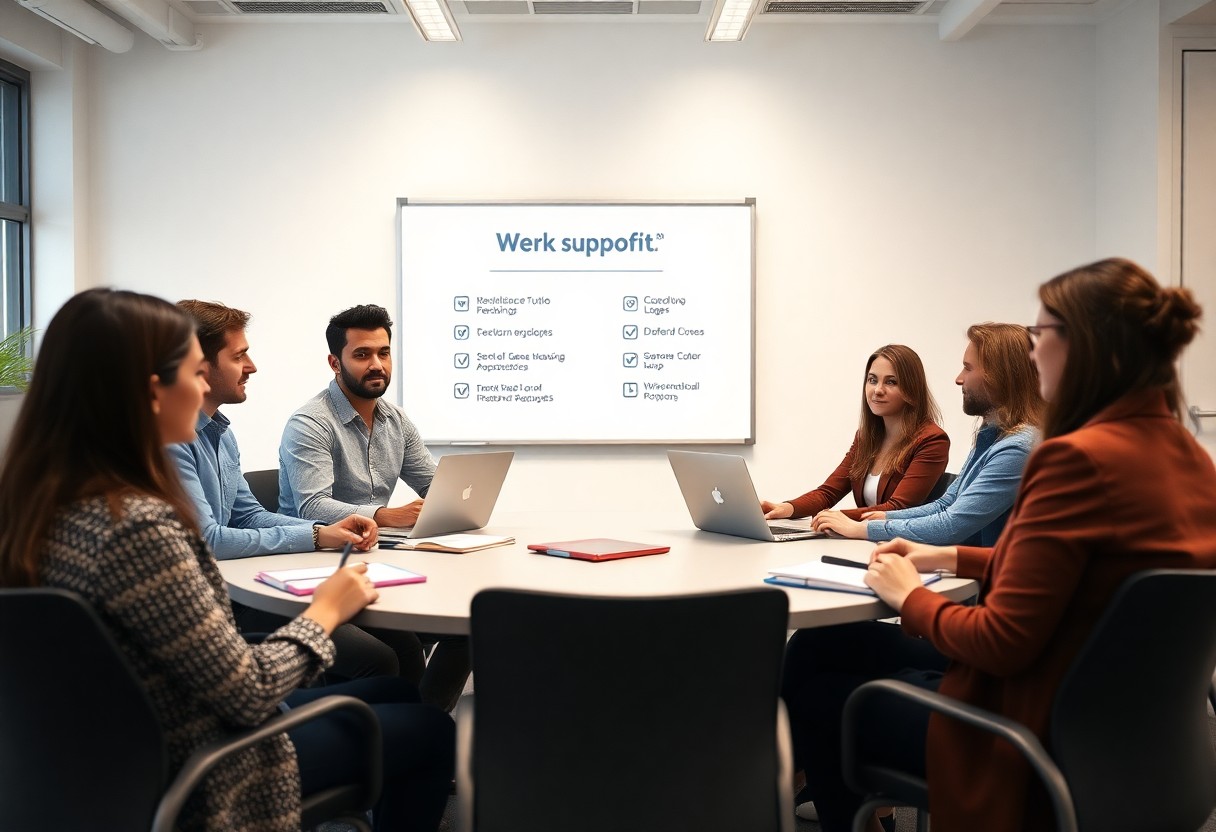
Benefits of WorkWell Programs
Implementing WorkWell programs leads to numerous advantages, enhancing not only individual experiences but also overall organizational effectiveness. These programs foster a supportive environment where employees can thrive, ultimately driving productivity and retention. Transform Your Mental Health: Discover Peer Support … in your workplace with these transformative strategies.
Enhanced Employee Well-Being
WorkWell programs significantly enhance your employee well-being by creating safe spaces for open conversations and vulnerability. When coworkers share their experiences, it fosters mutual understanding and reduces feelings of isolation. This emotional support can lead to decreased stress and anxiety levels, directly impacting overall job satisfaction and mental health.
Improved Workplace Culture
A supportive workplace culture thrives on trust, collaboration, and respect, all of which are amplified through WorkWell programs. As employees engage in peer support, they develop stronger relationships and a sense of belonging, which can lead to reduced turnover rates. Research shows that organizations with high employee engagement witness up to a 20% increase in productivity, supporting the assertion that fostering connection drives success. Emphasizing peer interactions can transform your organization’s dynamic, where continuous support and shared achievements celebrate collective progress.
Implementation Strategies
Implementing a successful peer-to-peer support program requires a strategic approach that ensures sustainability and effectiveness. You should begin by assessing your organization’s unique needs, establishing clear goals, and engaging stakeholders at all levels. A structured implementation plan that outlines timelines, resources, and evaluation metrics will help guide your efforts and facilitate ongoing engagement.
Designing a Peer Support Framework
A well-defined peer support framework sets the foundation for your program’s success. Focus on creating a structure that outlines roles, responsibilities, and communication channels. Additionally, consider incorporating diverse perspectives and encouraging flexibility to adapt to your organization’s culture. This adaptability not only enhances the relevance of support but fosters a sense of community among participants.
Training Peer Support Leaders
Training peer support leaders is crucial for the effectiveness of your program. These leaders need to possess strong communication skills, empathy, and a solid understanding of the peer support model. By providing comprehensive training, you empower them to facilitate meaningful connections, navigate sensitive topics, and promote a supportive environment.
Effective training programs should include workshops, role-playing scenarios, and access to ongoing educational resources. Equipping leaders with tools to recognize signs of distress and handle challenges that arise fosters a safe space for participants. Case studies demonstrating successful interventions can also enrich training, helping leaders to develop confidence and competence in their roles. Ultimately, well-trained leaders are pivotal in cultivating a supportive community, encouraging engagement, and enhancing the overall impact of your peer support program.
Measuring Success
To ensure the effectiveness of your peer-to-peer support program, establishing clear metrics for success is crucial. Tracking outcomes such as participant engagement levels, satisfaction rates, and impacts on well-being can provide valuable insights. Formulating specific objectives — like improving employee retention by a certain percentage — allows for a quantitative assessment of the program’s influence on your organization.
Metrics for Effectiveness
Use quantitative and qualitative data to evaluate your program’s performance. Metrics might include the number of active participants, the frequency of peer interactions, and participant feedback scores. Additionally, analyzing changes in stress levels and overall morale through surveys can provide a holistic understanding of the program’s impact.
Feedback and Continuous Improvement
Soliciting ongoing feedback from participants helps refine the support program over time. Gathering insights through regular surveys or focus groups ensures you stay attuned to the needs and preferences of your peers. Actively making adjustments based on this feedback not only improves participant satisfaction but also enhances the overall efficacy of the program.
Incorporating a structured feedback loop fosters an environment of continuous improvement. You might implement quarterly reviews where participants can share their experiences and suggestions. For example, use anonymous surveys to gather honest assessments of what works and what doesn’t. By analyzing this data and making incremental adjustments, you can adapt your program to better serve the changing dynamics of your community, ultimately leading to a more robust and effective peer support system.
Case Studies
Examining successful peer-to-peer support programs provides actionable insights and data that managers and organizations can leverage to enhance their initiatives.
- Company A: Increased employee engagement by 35% through a structured mentoring system over 12 months.
- Organization B: Reported a 50% reduction in employee turnover rates within the first year of implementation.
- Group C: Achieved a 70% satisfaction rate among participants in their peer-led workshops based on anonymous surveys.
- Business D: Recorded a 40% improvement in mental health support accessibility, benefiting over 200 employees.
Successful Programs in Action
Programmatic success is evident when organizations integrate structured peer-to-peer support initiatives. For instance, Company A’s mentoring program not only boosted engagement but also created several leadership opportunities, leading to a more committed workforce. These structured relationships enable individuals to thrive, cultivating a positive environment rooted in shared experiences.
Lessons Learned
Analyzing the outcomes of various peer-to-peer support programs reveals critical lessons that enhance future efforts. Consistent feedback loops and participant involvement are important in refining the delivery of support programs.
One significant insight from these case studies highlights the importance of tailoring support structures to fit your organization’s unique culture. Programs must evolve based on participant feedback and changing workplace dynamics. Additionally, involving employees in the design process fosters ownership, making them more likely to engage. Strong communication and ongoing training for peers acting as facilitators also improve outcomes, ensuring that participants receive effective guidance. These lessons reinforce the need for adaptability and responsiveness in your peer-to-peer support initiatives.
Challenges and Solutions
Adopting peer-to-peer support programs often includes navigating various challenges that can hinder effectiveness and engagement. These can range from cultural resistance within the organization to insufficient resources allocated for training and development. Additionally, participants may fear stigma or lack trust in the system, which can undermine the initiative’s goals. Identifying these barriers early on allows you to implement targeted solutions and create a more supportive environment.
Common Barriers to Implementation
One significant barrier involves the lack of clear communication about the program’s purpose and benefits, leading to confusion and skepticism among employees. Additionally, inadequate training for facilitators can result in ineffective support, while organizational culture may resist the acceptance of peer support models. Active disengagement and varying levels of commitment can further complicate the rollout of these programs.
Strategies to Overcome Hurdles
To effectively tackle these challenges, develop a comprehensive communication strategy that outlines the program’s vision and success stories. Invest in robust training for facilitators, ensuring they are well-equipped to guide discussions and foster trust among participants. Foster a supportive organizational culture by promoting a climate of openness and acceptance, where employees feel safe to share their experiences and seek help.
Engage leadership to champion the initiative, demonstrating its value through active participation and support. Offer regular feedback mechanisms for participants to voice their concerns and suggestions, which can help you adjust the program according to their needs. Initiatives like pilot programs can provide valuable insights and allow for adjustments before a full-scale rollout. Recognizing and celebrating small wins along the way can build momentum and encourage wider participation, reinforcing the program’s importance within your organization. By addressing these hurdles with targeted solutions, you can cultivate a lasting peer support network that thrives and evolves.
To wrap up
Following this, you can see how WorkWell’s peer-to-peer support programs effectively foster a collaborative environment where individuals can share experiences and derive strength from one another. By engaging in these initiatives, you enhance your well-being and skills. This model not only empowers participants but also contributes to a culture of openness and resilience within your organization. Embracing WorkWell’s approach can lead you to create lasting connections and improve overall workplace satisfaction.
FAQ
Q: What is WorkWell and how does it operate?
A: WorkWell is a peer-to-peer support program designed to enhance employee well-being by fostering a supportive network among colleagues. The program operates by connecting employees with trained peer supporters who provide guidance, share experiences, and facilitate discussions related to mental health and workplace challenges.
Q: Who can participate in the WorkWell program?
A: All employees within the organization are encouraged to participate in the WorkWell program, whether as peer supporters or as individuals seeking support. The program is inclusive and aims to create an environment where everyone feels comfortable to share and receive help.
Q: What are the benefits of participating in WorkWell?
A: Participation in WorkWell offers several benefits, including improved mental health, reduced workplace stress, enhanced resilience, and building stronger workplace relationships. Employees gain access to support networks, resources for coping strategies, and an overall more connected workplace culture.
Leave a Reply