
Many organizations are discovering the powerful benefits of gamifying wellness through platforms like WorkWell. By integrating game mechanics into health initiatives, you can significantly boost employee engagement and participation. This innovative approach not only encourages healthier behaviors but also fosters a sense of community among your team. With features that reward progress and create friendly competition, you can transform boring wellness routines into exciting challenges that empower you and your colleagues to reach your health goals while enhancing overall workplace morale.
Key Takeaways:
- Gamification enhances employee engagement by making wellness activities more interactive and enjoyable.
- Incorporating rewards and challenges fosters a competitive spirit, motivating participants to adopt healthier habits.
- WorkWell’s strategies contribute to team cohesion and improve overall workplace health culture.
Understanding Gamification
Gamification integrates game-like elements into non-game contexts, such as wellness programs, to boost engagement and motivation. By leveraging tactics like points, badges, and leaderboards, this approach transforms routine wellness activities into compelling experiences that encourage participation and adherence.
Definition of Gamification
Gamification is the application of game design elements in non-game settings to promote user engagement. This can include incorporating elements such as scoring systems, challenges, and competitive elements to motivate individuals in achieving specific goals, particularly in wellness initiatives.
Benefits of Gamification in Wellness
Incorporating gamification into wellness programs can significantly enhance participation and user experience. By introducing elements like rewards and challenges, you not only increase motivation but also foster a sense of community among participants, leading to improved overall wellness outcomes.
Gamification offers substantial benefits in wellness initiatives, leading to increased participation and sustained engagement. For instance, studies show that organizations implementing gamified wellness programs see a 30% higher participation rate compared to traditional approaches. When employees earn points or rewards for completing activities, they experience a heightened sense of achievement, which is highly motivating. Moreover, gamification often promotes social interaction through team challenges, enhancing camaraderie and accountability among coworkers. By creating a friendly competitive environment, you can maximize the effectiveness of your wellness programs and ensure that employees not only join but remain committed to their wellness journeys.
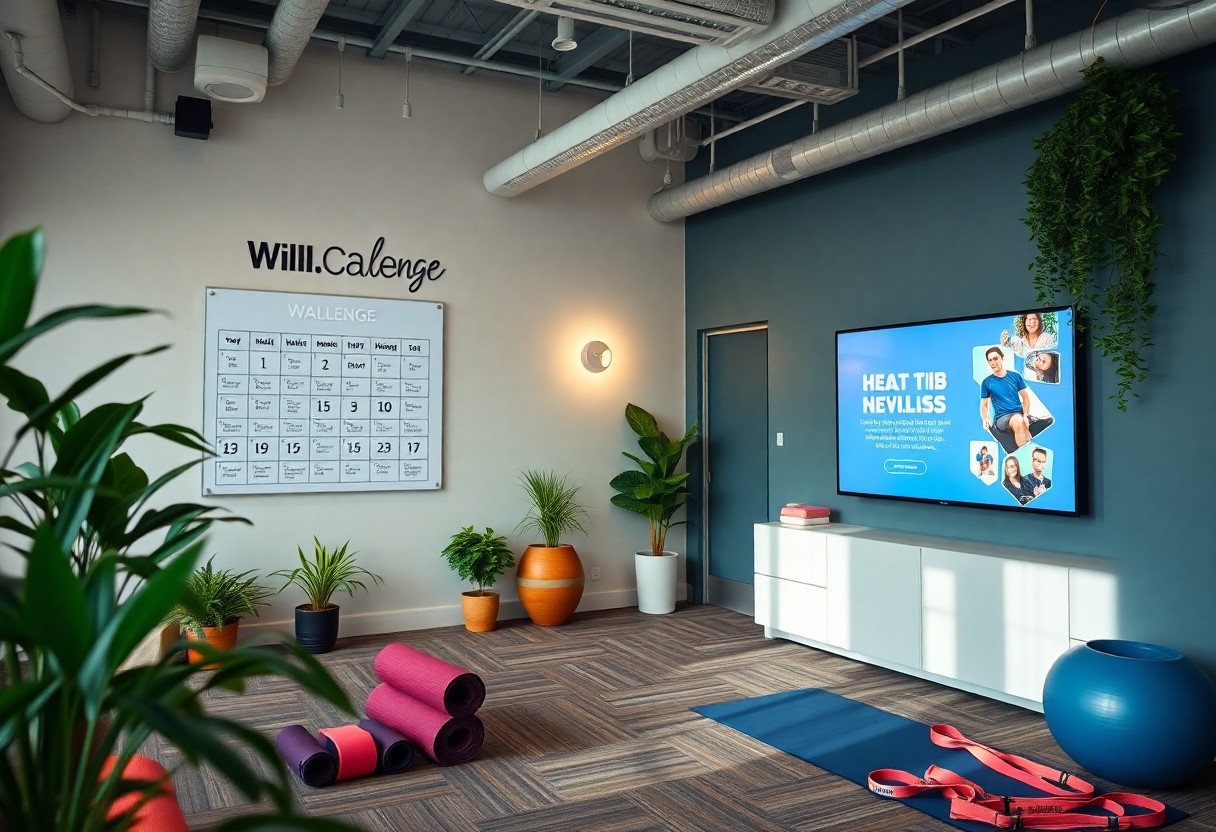
The WorkWell Framework
The WorkWell Framework integrates wellness into your workplace by focusing on holistic engagement strategies. It combines physical health, mental well-being, and social connectivity, ensuring that your employees feel supported and motivated. This dynamic approach not only enhances individual performance but fosters a collaborative culture that benefits the entire organization.
Key Features and Tools
Utilizing innovative methods, the WorkWell Framework includes various tools designed to elevate your wellness initiatives.
- Personalized Wellness Plans
- Gamified Challenges
- Real-time Performance Tracking
- Employee Feedback Mechanisms
- Social Interaction Platforms
- Incentive Programs
Any of these features can significantly enhance engagement and productivity in your workplace.
Implementation Strategies
Successfully implementing the WorkWell Framework requires a thoughtful strategy that aligns with your organization’s culture. Start by assessing your current wellness initiatives and identifying gaps. Involve key stakeholders to gain insights and ensure buy-in across all levels. Use pilot programs to test features before a full-scale launch, encouraging feedback to refine and enhance the offerings.
A phased approach is often more effective. Begin with basic tools such as gamified challenges and gradually introduce advanced features like performance tracking and personalized plans. Promote the initiative through internal communications, providing clear benefits to participants. Regularly review engagement metrics to adapt and improve your strategy, ensuring that the WorkWell Framework evolves with your team’s needs.
Measuring Engagement and Success
To truly gauge the impact of your wellness initiatives, it is important to implement effective measurement strategies. Tools and metrics help you assess participation levels and overall success, ensuring that your wellness programs engage employees meaningfully. Tracking analytics allows you to adapt strategies as needed. For insights on how to elevate your programs, check out Boosting Employee Engagement with Wellness Gamification.
Metrics for Gamification Effectiveness
You can evaluate gamification effectiveness using several metrics, including employee participation rates, completion of wellness challenges, and overall health improvements. Tracking employee satisfaction through surveys and participation feedback further informs your adjustments. For an in-depth assessment, consider monitoring productivity levels and absenteeism as indirect indicators of success.
Case Studies and Examples
Numerous companies have successfully implemented gamified wellness programs, yielding impressive results. For instance, a tech firm reported a 30% increase in participation after introducing a point-based rewards system. Another organization noted a 15% decrease in healthcare costs due to improved employee health. These examples highlight the significant impact of engaging wellness strategies.
- Tech Company: Achieved a 30% increase in participation post-launch.
- Manufacturing Firm: Experienced a 15% reduction in healthcare costs due to improved employee health.
- Financial Services: Saw a 25% rise in productivity linked to employee engagement initiatives.
- Retail Chain: Noticed a 40% increase in employee satisfaction through wellness challenges.
These case studies underline the effectiveness of implementing gamified wellness strategies in various sectors. You will find that with the right approach, your organization can foster a healthier workforce and enhance overall engagement levels, which leads to both personal and company-wide success. The statistics demonstrate not just the benefits but the tangible improvements in employee health and satisfaction, validating the importance of such initiatives in today’s competitive environment.
Challenges and Considerations
Implementing gamification in wellness programs can present various challenges that need careful consideration. You must navigate the balance between motivation and coercion, ensuring participants feel engaged without being overwhelmed or pressured. Additionally, cultural differences within your workforce can impact receptiveness, making it vital to tailor strategies that resonate across diverse employee backgrounds. This necessitates ongoing feedback and adaptation, acknowledging that what works for one group may not work for another.
Potential Pitfalls of Gamification
While gamification has numerous benefits, it also carries potential pitfalls, such as creating a superficial understanding of wellness and fostering unhealthy competition. If you prioritize points and leaderboards over well-being, employees may focus on winning rather than genuinely improving their health. It’s important to align gamification elements with your overall wellness goals to ensure the experience remains enriching and motivating.
Keeping Engagement Sustainable
Sustaining engagement in wellness programs requires an ongoing commitment to innovation and relevance. You should regularly refresh challenges, introduce new incentives, and adapt to employee feedback to sustain interest. Utilizing data analytics can help you identify drop-off points and adjust strategies accordingly, allowing you to maintain a dynamic experience that keeps participants motivated and engaged over time.
To establish sustainability in engagement, consider rotating wellness challenges, introducing seasonal themes, and leveraging employee input to create initiatives that resonate with their interests. For example, a study showed that companies which incorporated seasonal wellness initiatives increased participation rates by 30%. Furthermore, by incorporating personalization—allowing participants to choose their own goals and rewards—you foster a sense of ownership, which significantly enhances long-term commitment and participation. Continuous evaluation of progress and open channels for feedback also play an imperative role in maintaining engagement levels, as they demonstrate to employees that their input shapes the wellness offerings.
Future Trends in Wellness Gamification
The future of wellness gamification is bright, driven by advancements in technology and a growing recognition of employee well-being’s importance. As you integrate gamification into wellness programs, expect a rise in personalized experiences, where data analytics will tailor challenges and rewards to individual preferences, enhancing engagement and outcomes. Additionally, collaborative wellness initiatives will gain traction, fostering community and competition within your organization.
Emerging Technologies
Look out for emerging technologies such as wearable devices and artificial intelligence that are set to enhance wellness gamification. These technologies enable real-time tracking of health metrics and personalized feedback, which can motivate your employees to stay active and engaged. Adaptations of virtual reality may also offer immersive experiences, creating an engaging atmosphere for training and wellness activities, ultimately improving participation rates.
Predictions for Workplace Wellness
As workplace wellness evolves, experts predict that more organizations will adopt integrated wellness platforms by 2025, uniting physical, mental, and social wellness initiatives. Increasingly, you’ll see a shift towards data-driven decision-making, which will allow employers to identify at-risk employees sooner and create targeted interventions. Moreover, 80% of companies are expected to offer wellness challenges linked to team-based competition, enhancing camaraderie and productivity.
With predictions pointing to a significant rise in the integration of wellness and productivity tools, you are likely to see a cultural shift where well-being becomes synonymous with organizational success. By 2025, approximately 70% of workplaces might implement comprehensive wellness frameworks that offer gamified experiences—aligning with the interests and preferences of younger generations. Emphasizing continuous feedback loops, these initiatives will not only keep employees motivated but also foster a sustained commitment to health and productivity across your entire organization.
To wrap up
The integration of WorkWell’s gamified wellness approach empowers you to actively engage in your health and well-being. By transforming traditional wellness initiatives into interactive experiences, you not only enhance your personal motivation but also foster a supportive community within your workplace. Embracing this innovative model can lead to improved productivity, a healthier lifestyle, and stronger relationships among colleagues. By prioritizing fun and engagement, you position yourself and your team for sustained wellness success.
FAQ
Q: What is WorkWell?
A: WorkWell is a wellness platform designed to enhance employee engagement through gamification. It encourages healthy habits by integrating fun challenges and competitions into daily routines.
Q: How does gamification improve wellness engagement?
A: Gamification enhances wellness engagement by making health activities enjoyable and interactive. Participants earn rewards, track progress, and compete with colleagues, fostering motivation and commitment to personal wellness goals.
Q: What types of wellness activities are included in WorkWell?
A: WorkWell offers a variety of wellness activities including fitness challenges, mindfulness exercises, nutrition tracking, and team-building events. These activities are customizable to meet the diverse needs of different organizations.
Leave a Reply